
The beginning of a new school year is exciting, but it can also feel overwhelming for young children. Fine Motor Morning Bins for August provide a calm and purposeful way for children to settle into the day while developing important classroom skills.
This printable resource includes 16 different ways for children to cut, trace, punch, paint, lace, build and create. The activities are designed for Preschool and Kindergarten and can be used in the classroom, during occupational therapy sessions or as part of a homeschool routine.
Each activity uses familiar supplies and provides meaningful practice with hand strength, coordination, pencil control and independence.
Download Free Sample Pages
Would you like to try some of the activities first? Click here to download the free sample pages.

Why Fine Motor Practice Matters
Before children can form letters, cut accurately or manage everyday classroom tools, they need strength and control in the small muscles of their hands and fingers.
Fine motor activities give children opportunities to pinch, squeeze, roll, thread, press and manipulate objects. These movements help develop the coordination needed for holding a pencil, using scissors, fastening clothing and completing other daily tasks.
The most effective fine motor practice feels like play. When children are building pictures with cubes, rolling playdough or threading beads, they remain actively involved while strengthening the muscles they will later use for writing.
What Activities Are Included?
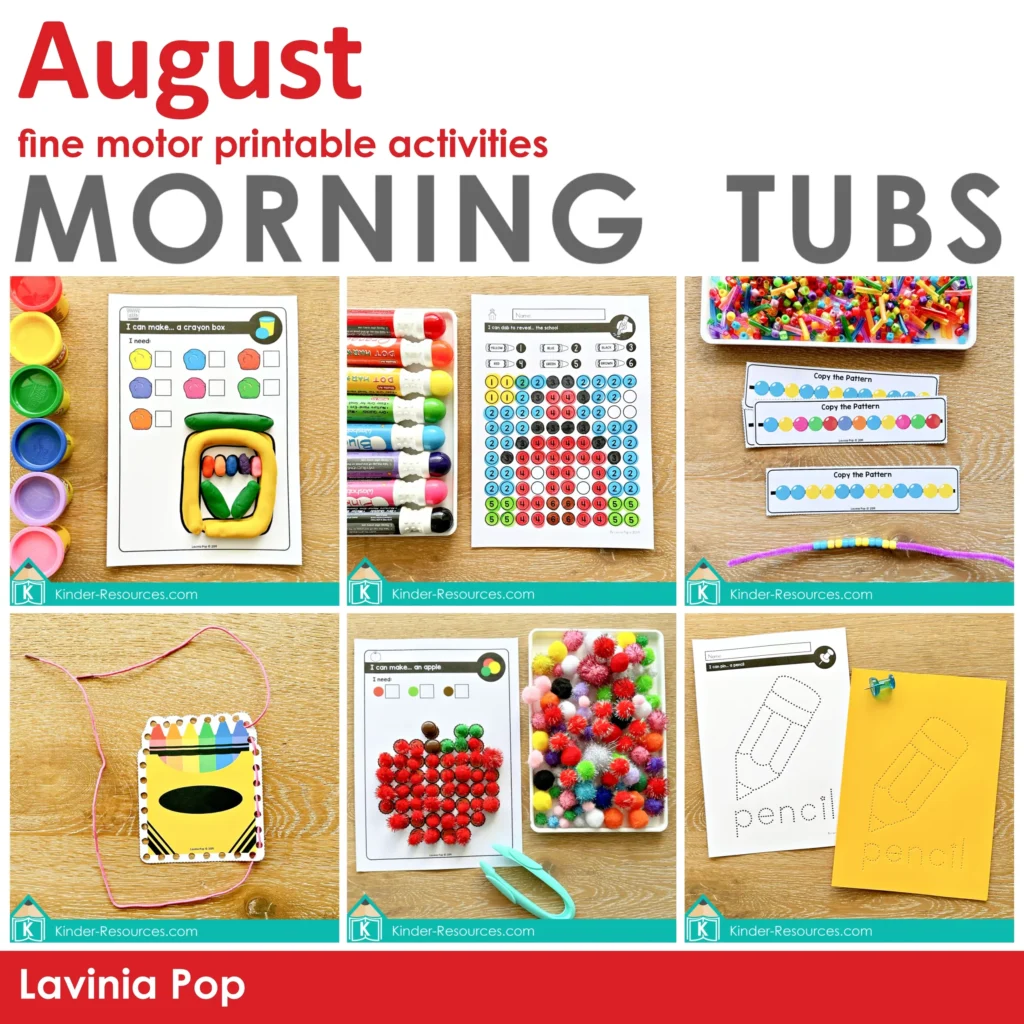
The complete resource contains 16 activity types with an engaging back to school theme. The variety allows children to work with different materials and movements rather than completing the same type of fine motor task each day.
Cutting, Tracing and Punching
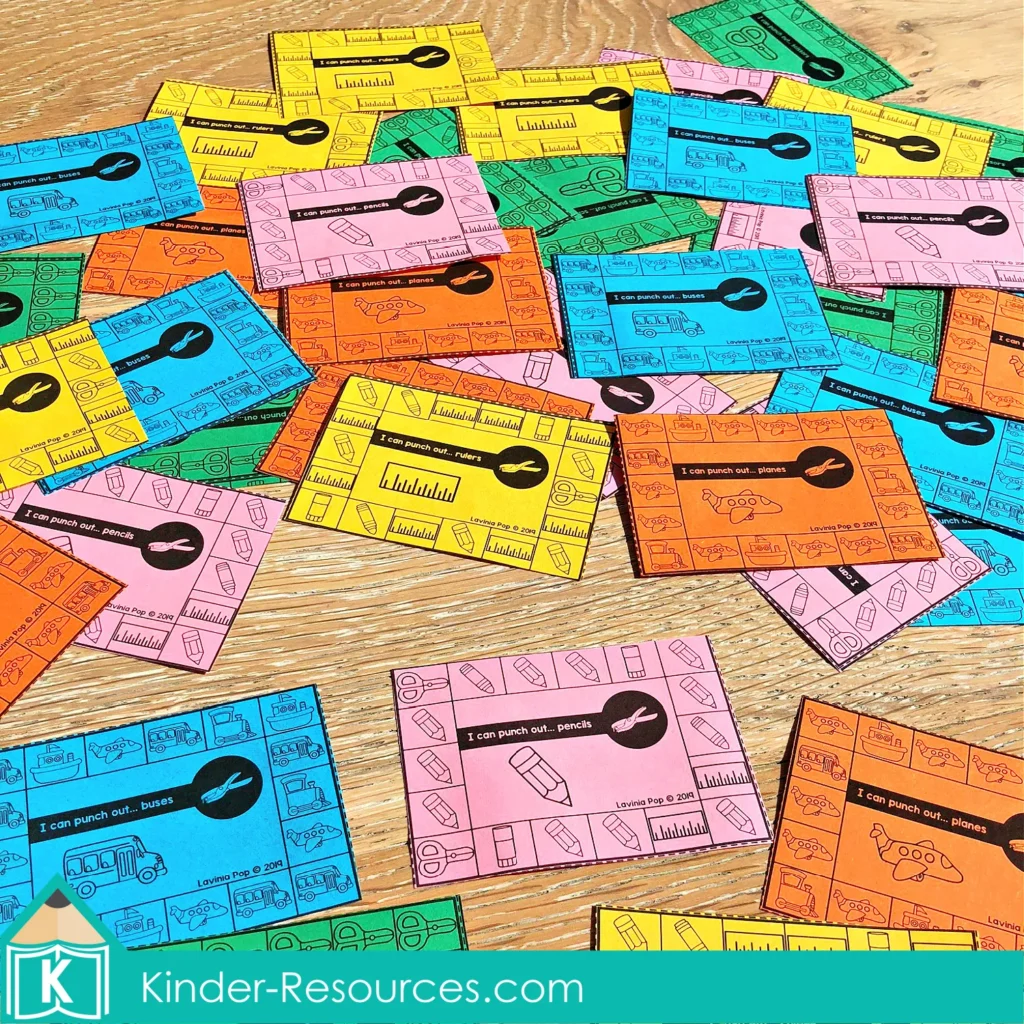
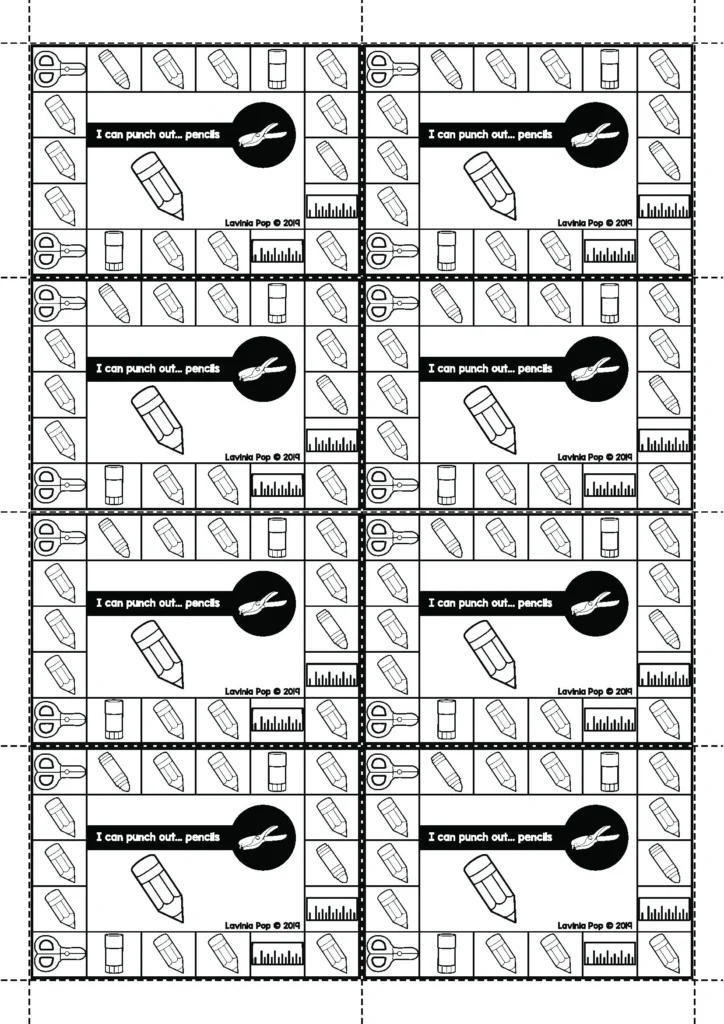
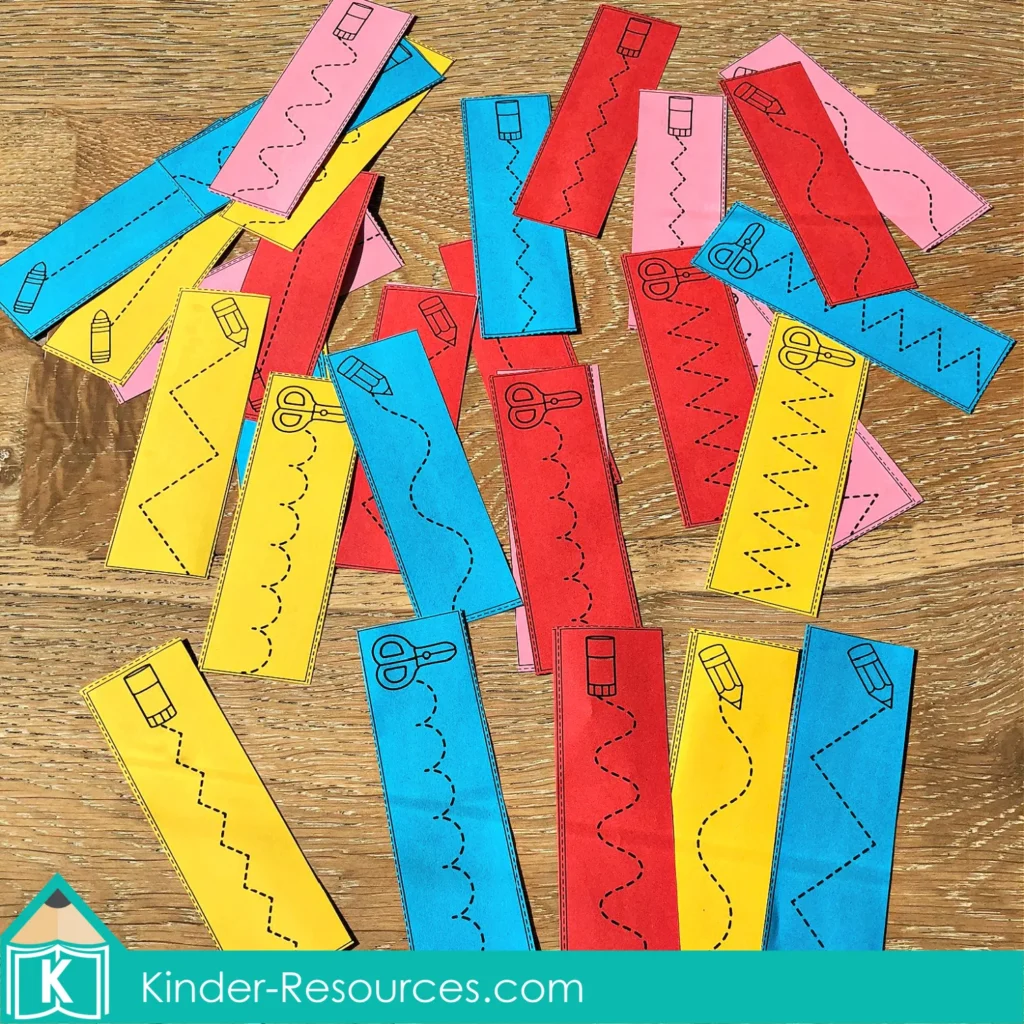
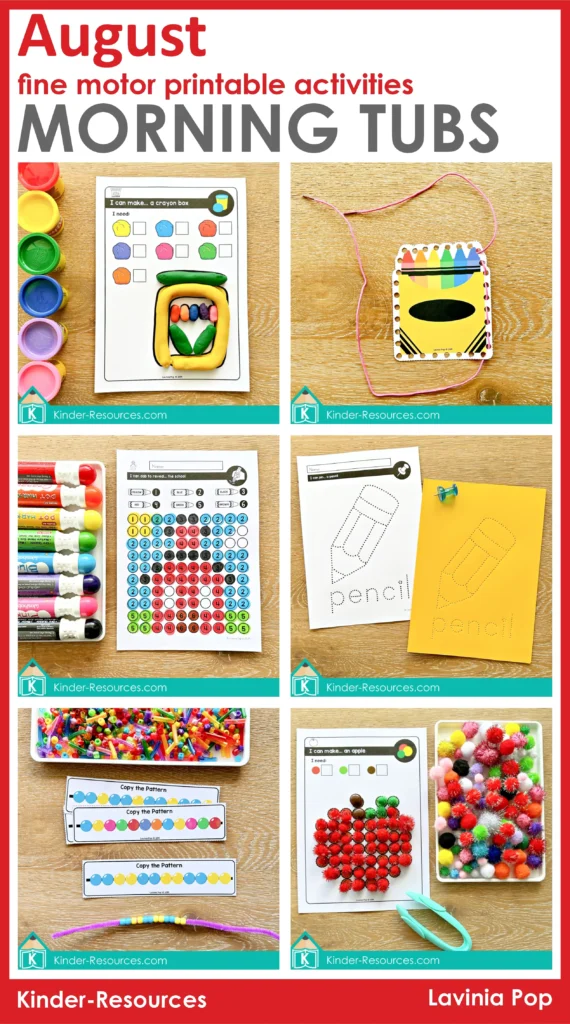
Children can use picture punch cards to strengthen their hands as they punch around the school themed images. Cutting practice strips feature different lines and patterns, allowing children to develop scissor control gradually.
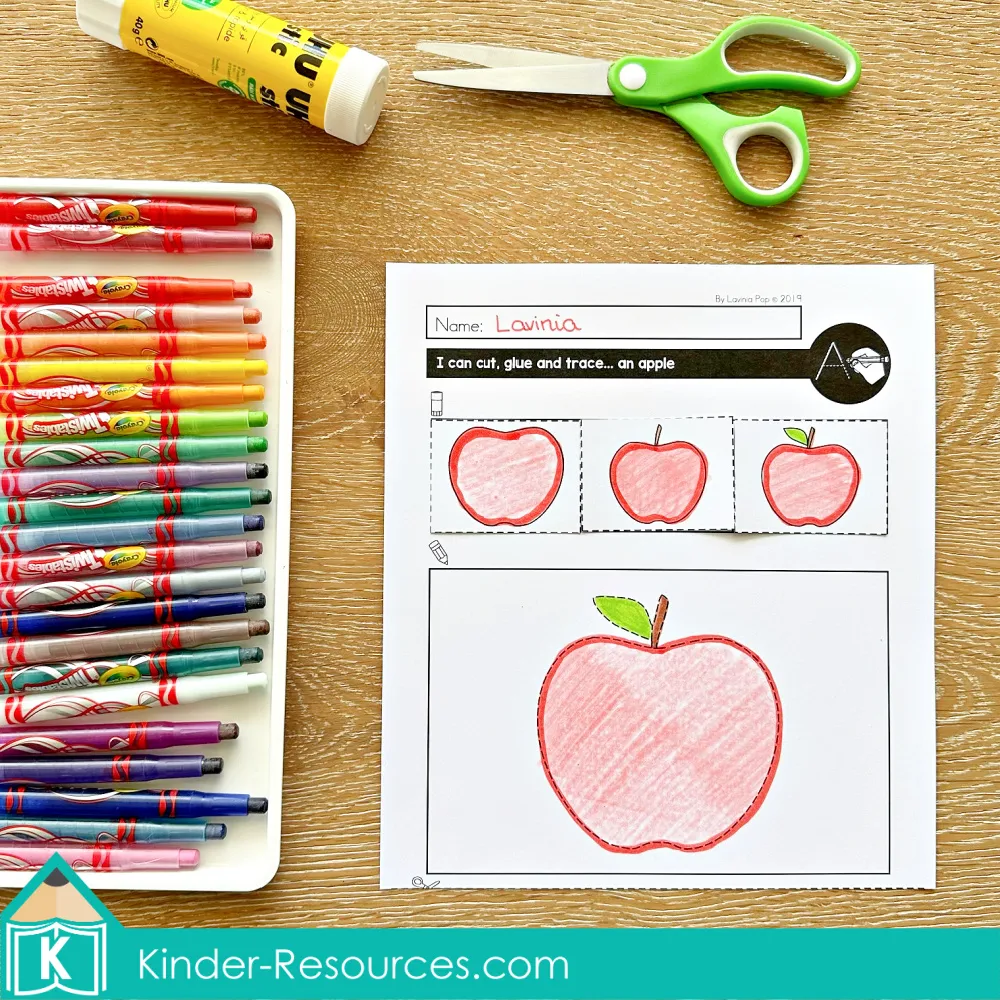
The cut, glue and trace activities combine several skills in one task. Children place pictures in the correct drawing sequence, glue them onto the page, trace the completed picture and then color it.
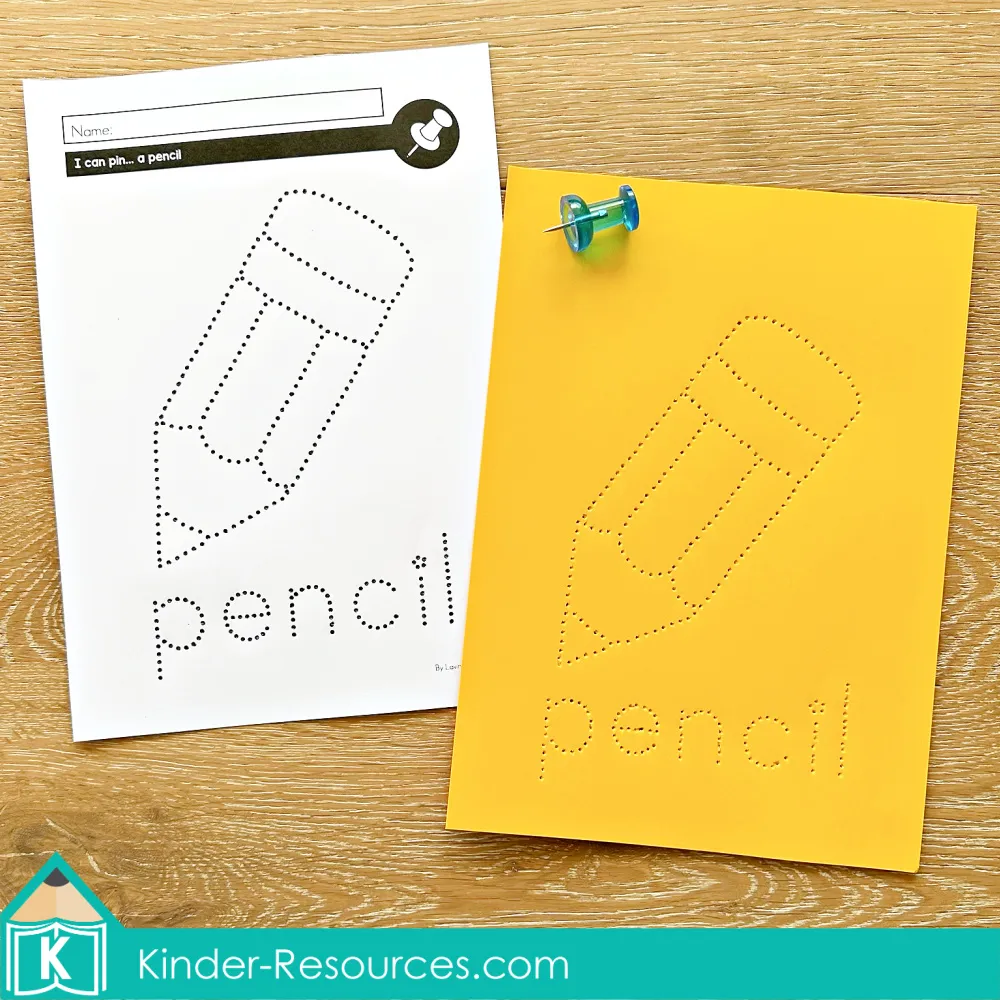
Pokey pin pictures provide another way to improve hand strength, control and precision. These activities should always be completed with appropriate materials and adult supervision.

Painting, Dabbing and Matching
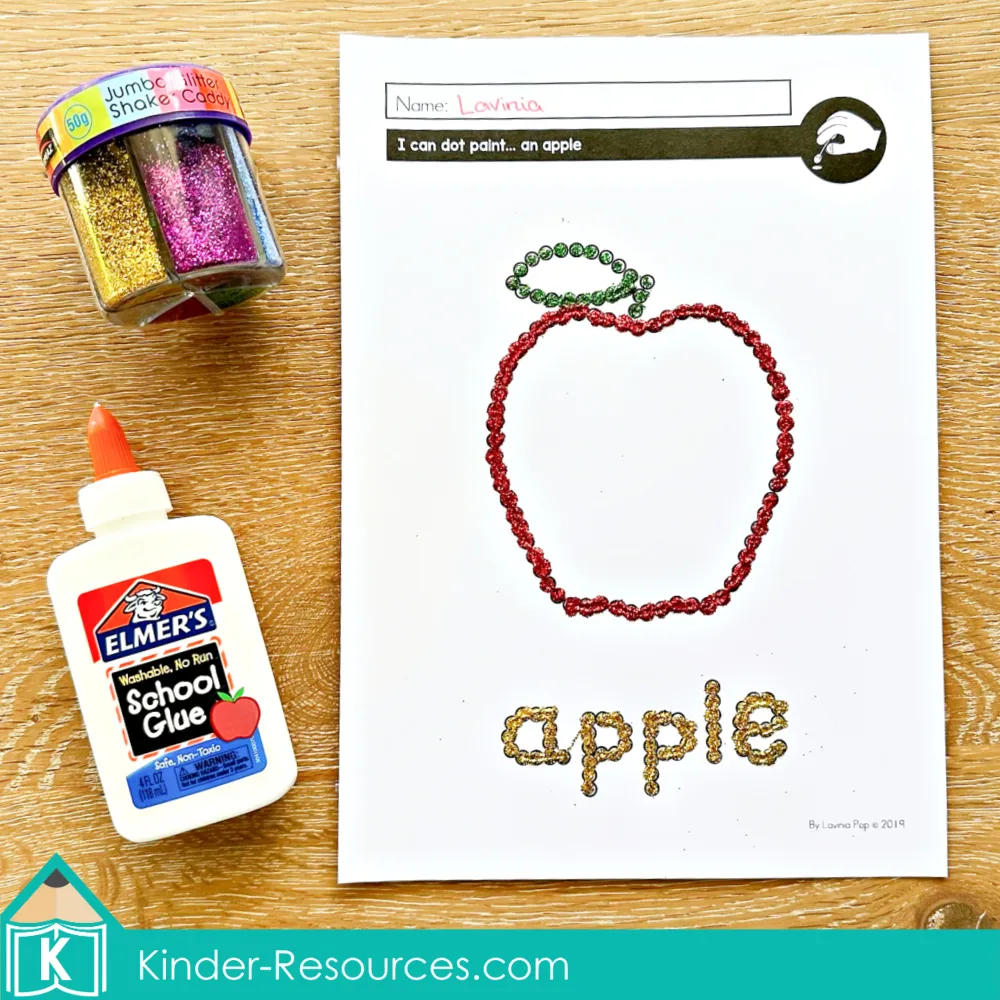
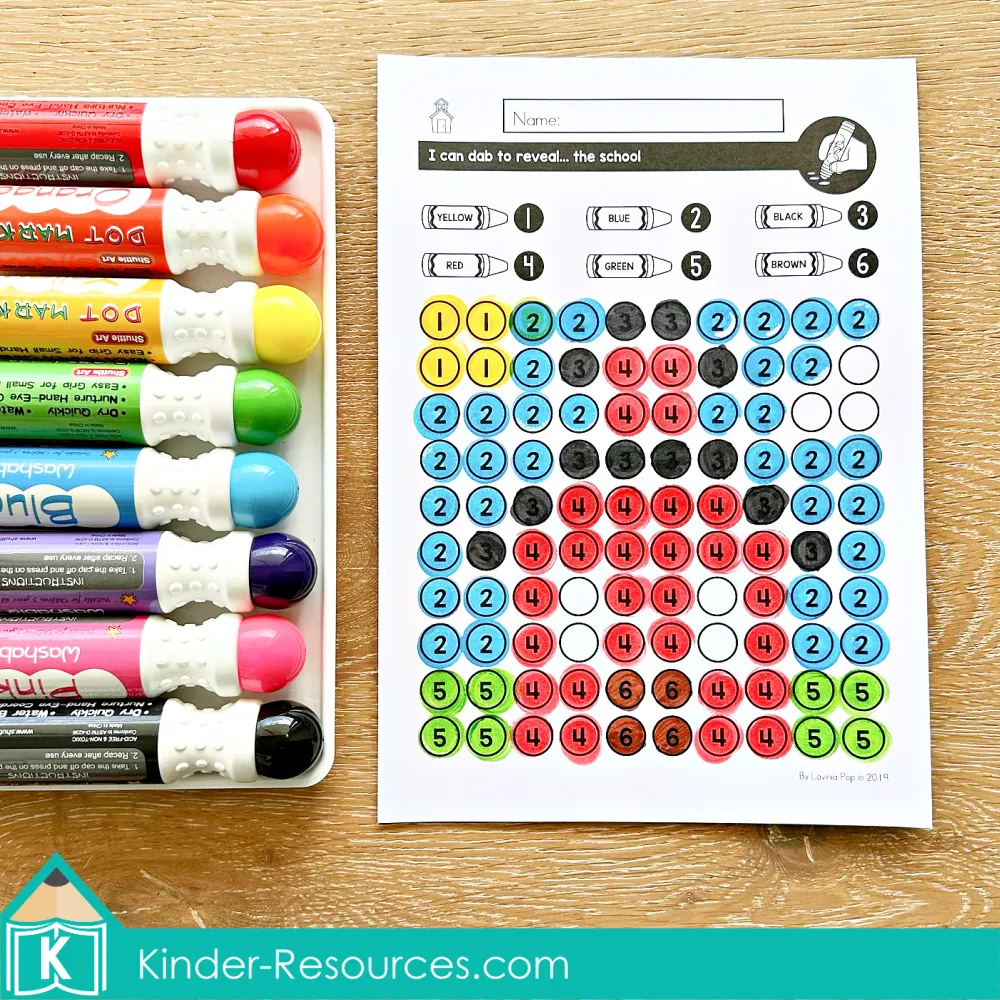
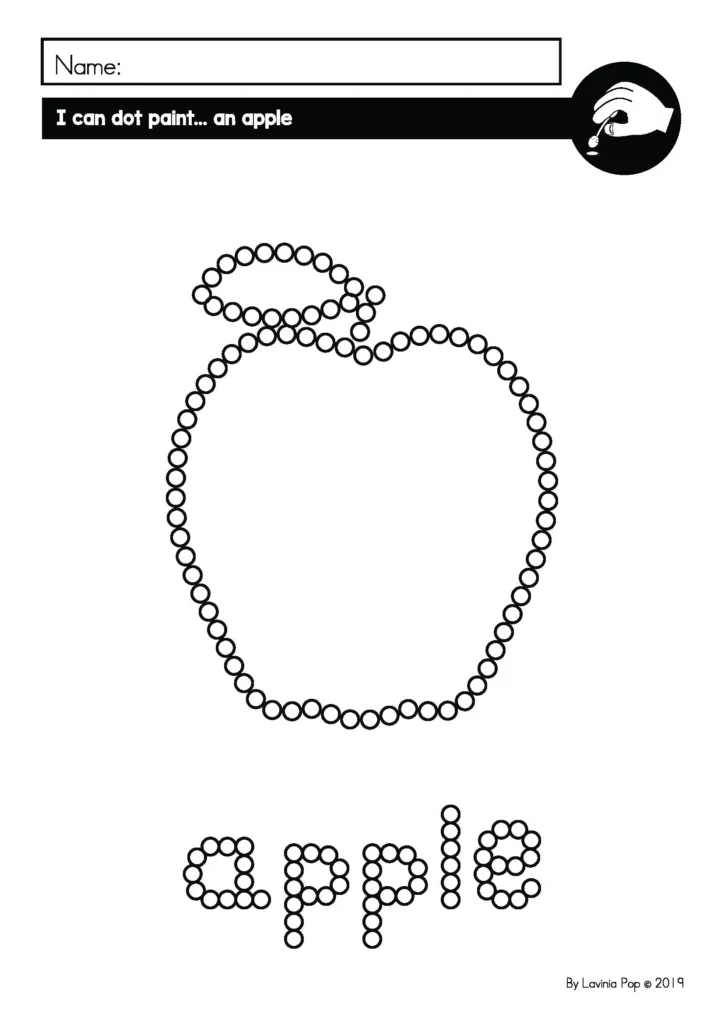
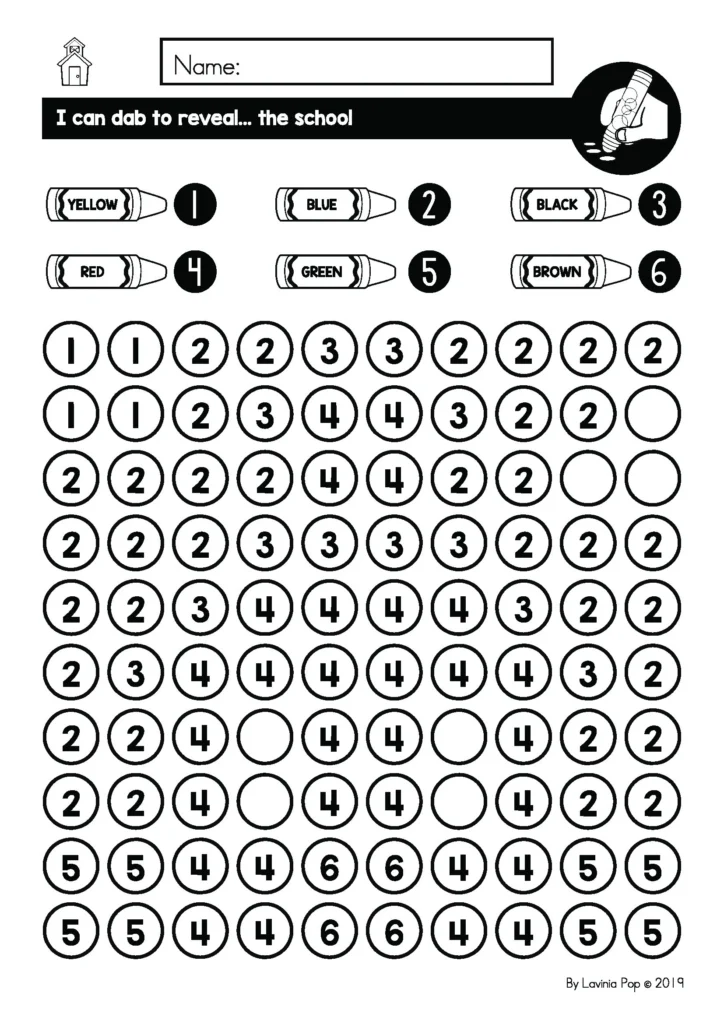
Cotton swab dot painting encourages children to make small, controlled movements as they complete pictures and words. Dab the mystery picture pages can be used with dot markers or round stickers, giving children the added excitement of revealing a hidden picture.
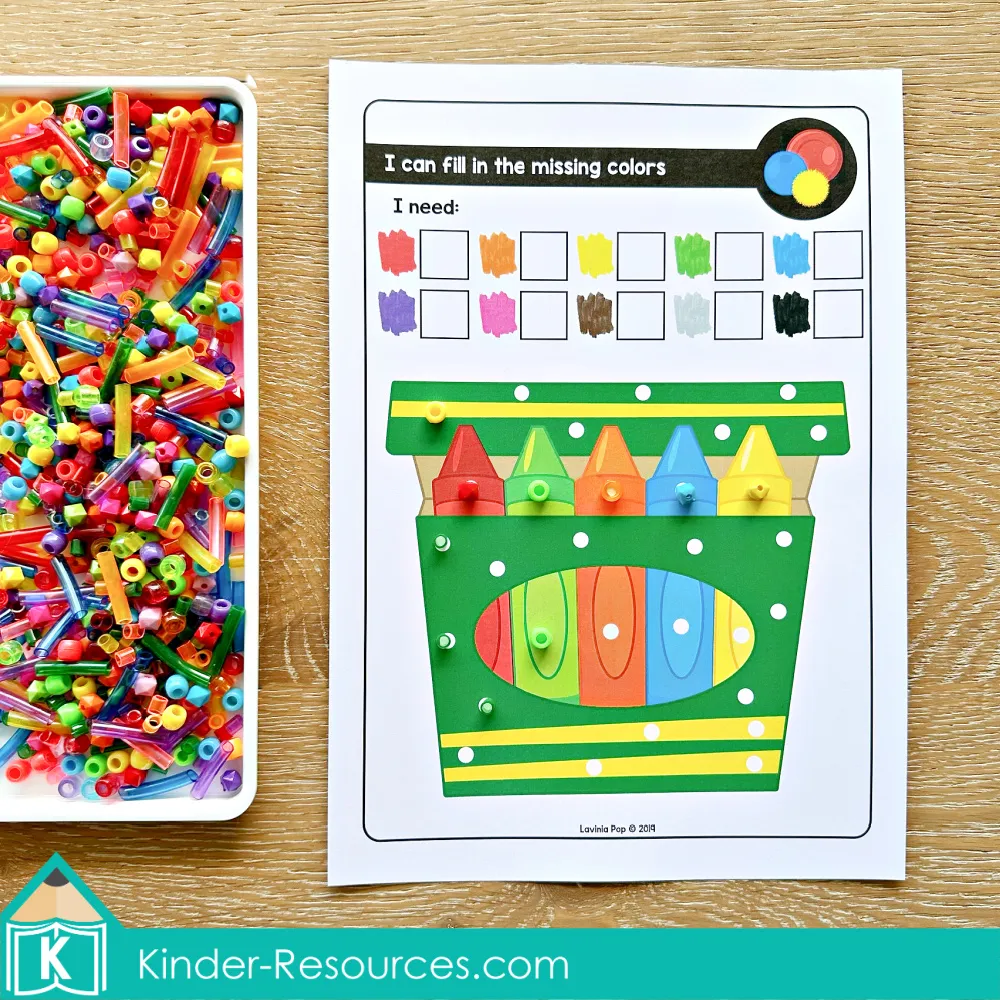
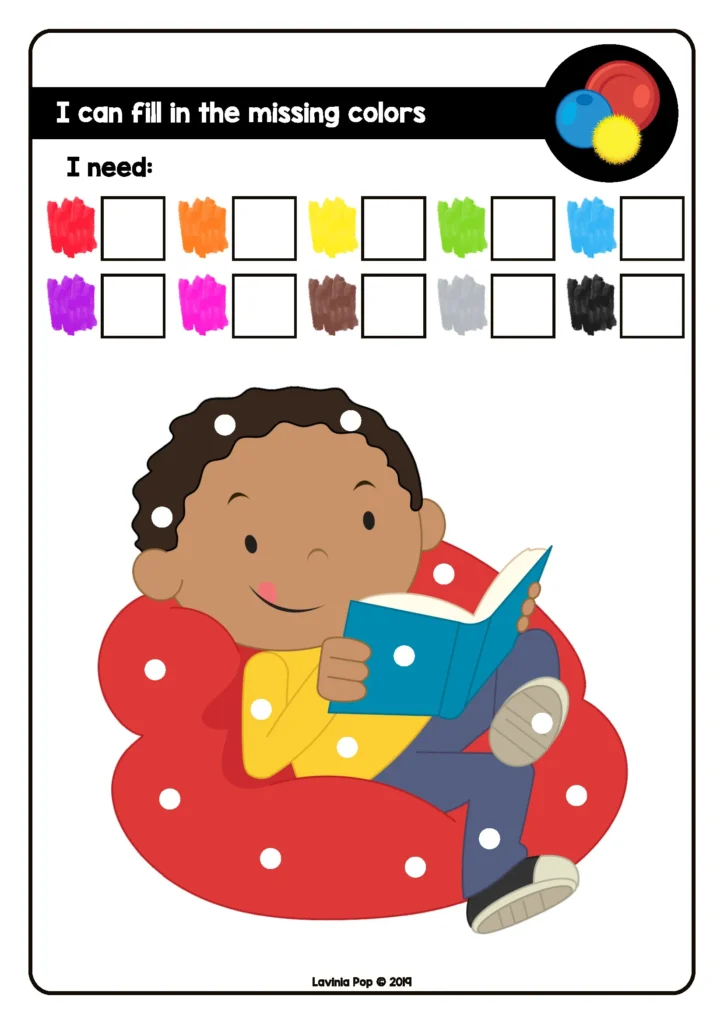
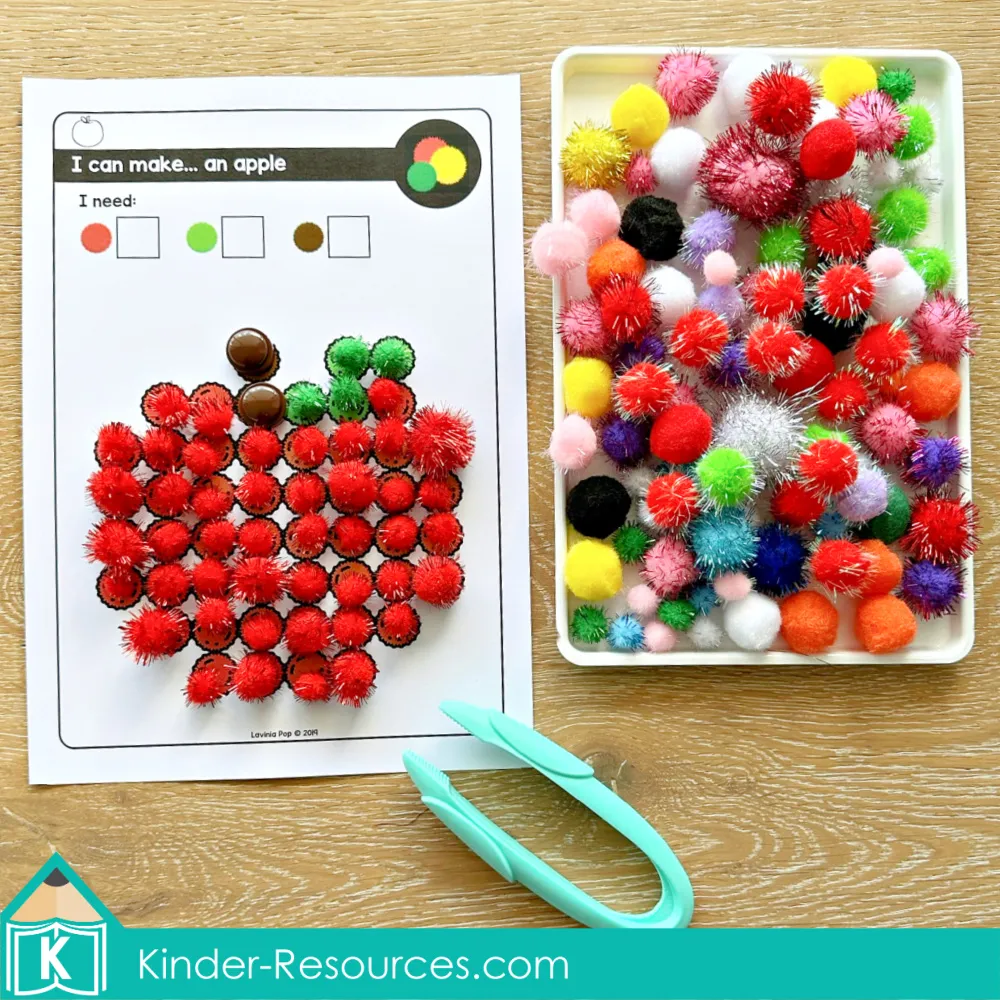
Missing color activities invite children to place pom poms, beads, buttons or sequins onto the empty circles. Tweezers or small tongs can be added when children are ready for an extra challenge.
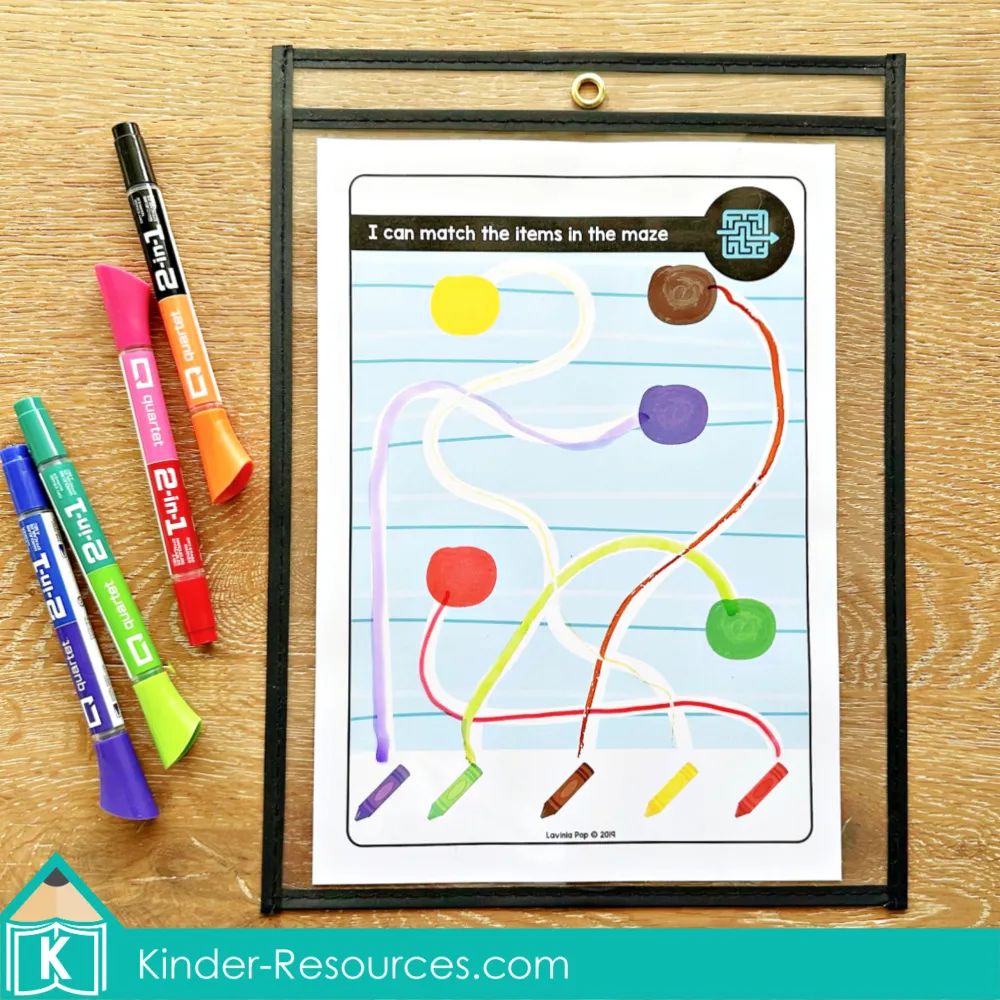
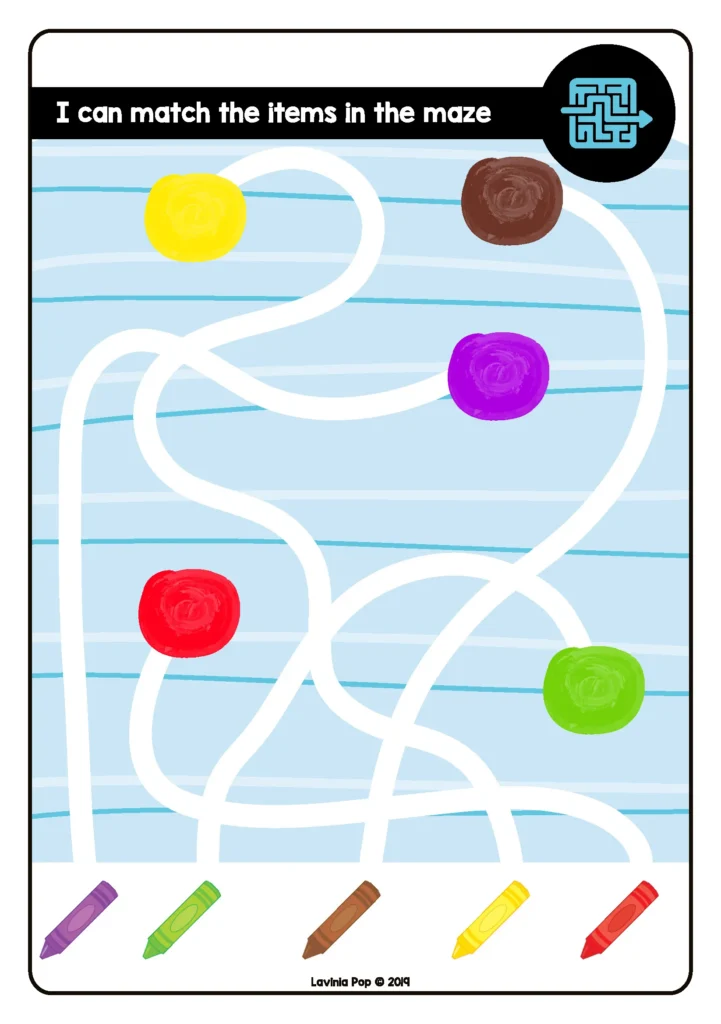
The printable mazes can be traced with an erasable marker. Children can also create the path using small beads or buttons, turning a traditional maze into a hands on activity.
Lacing, Threading and Playdough
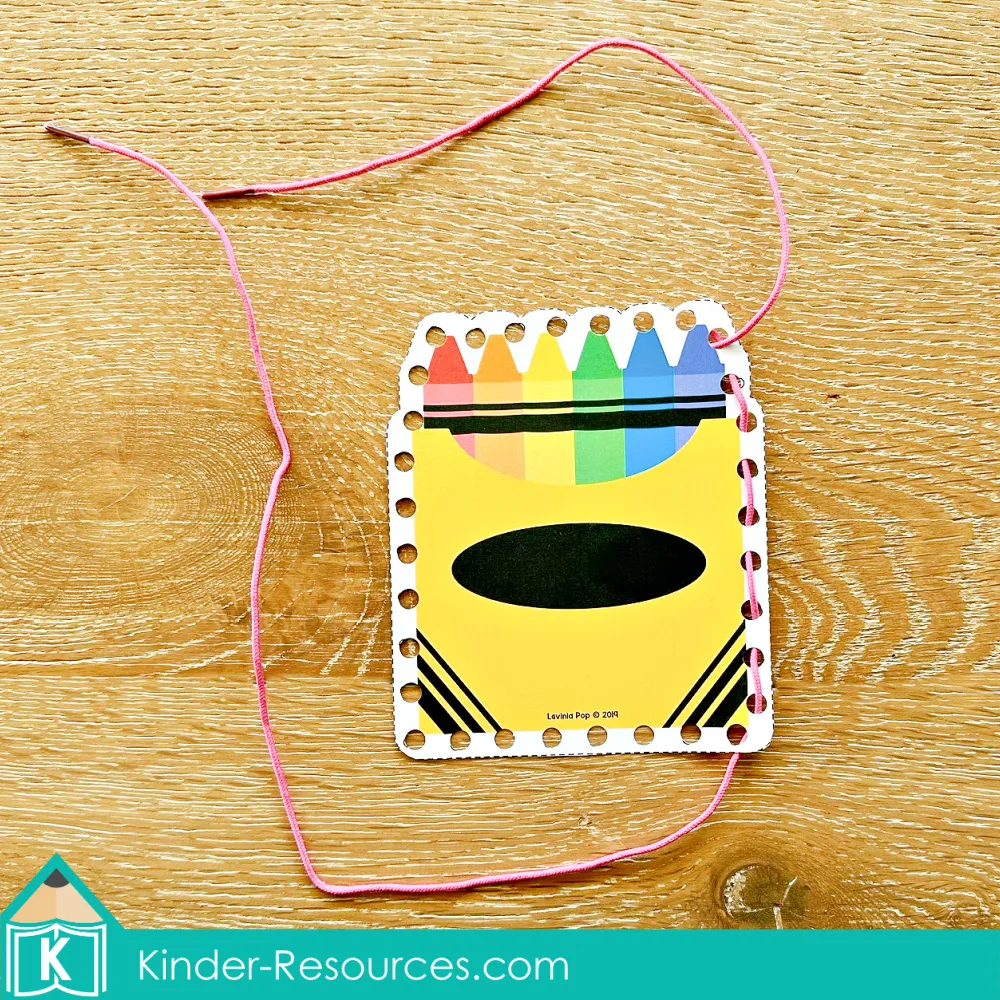
Lacing cards encourage children to coordinate both hands as they guide a shoelace or piece of lacing thread through the holes.
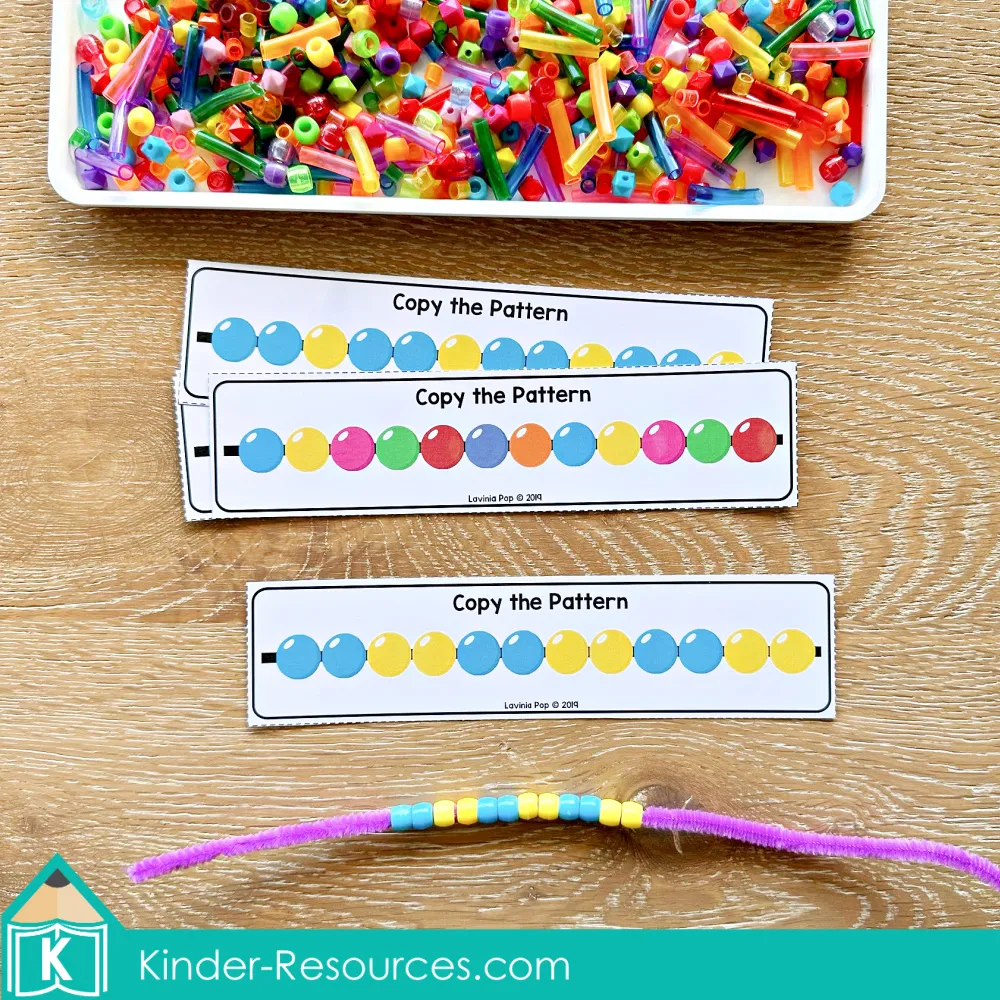
Bead pattern cards offer similar practice while also developing color recognition and early patterning skills. Children copy each pattern by threading the correct colored beads onto a pipe cleaner.
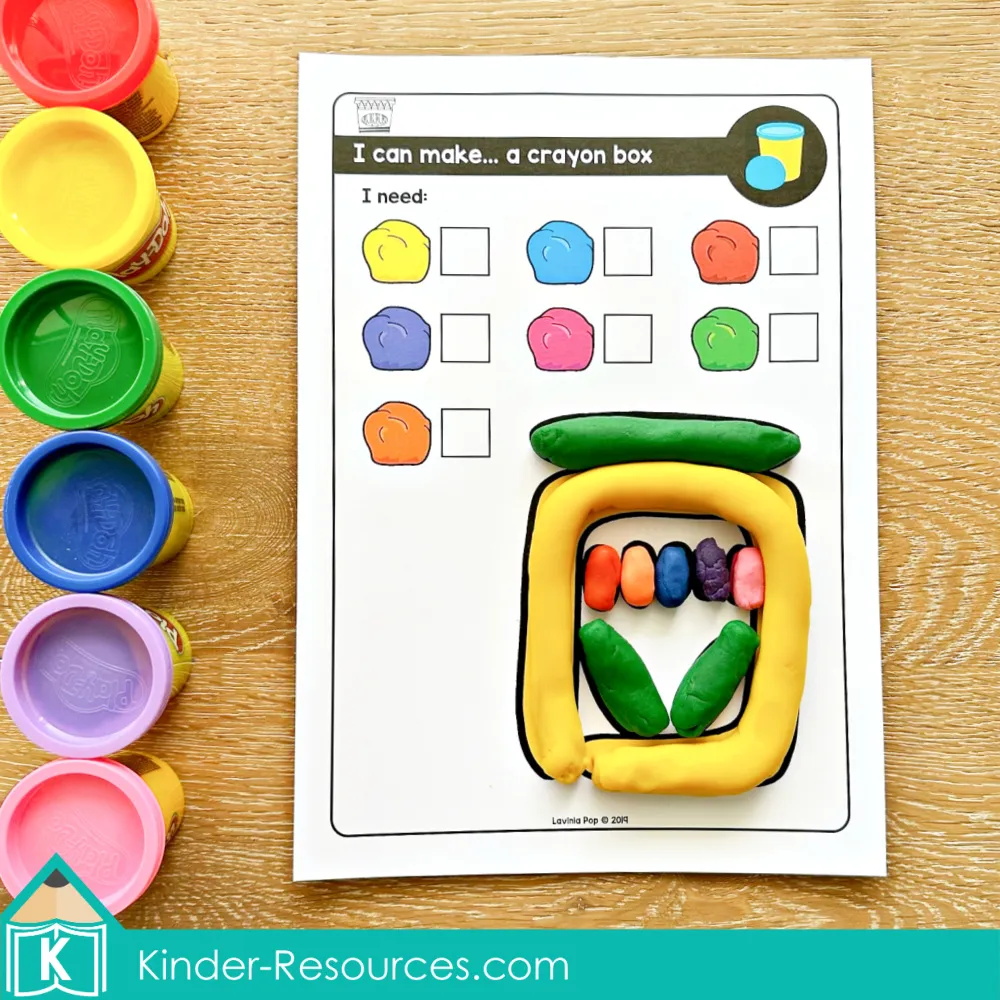
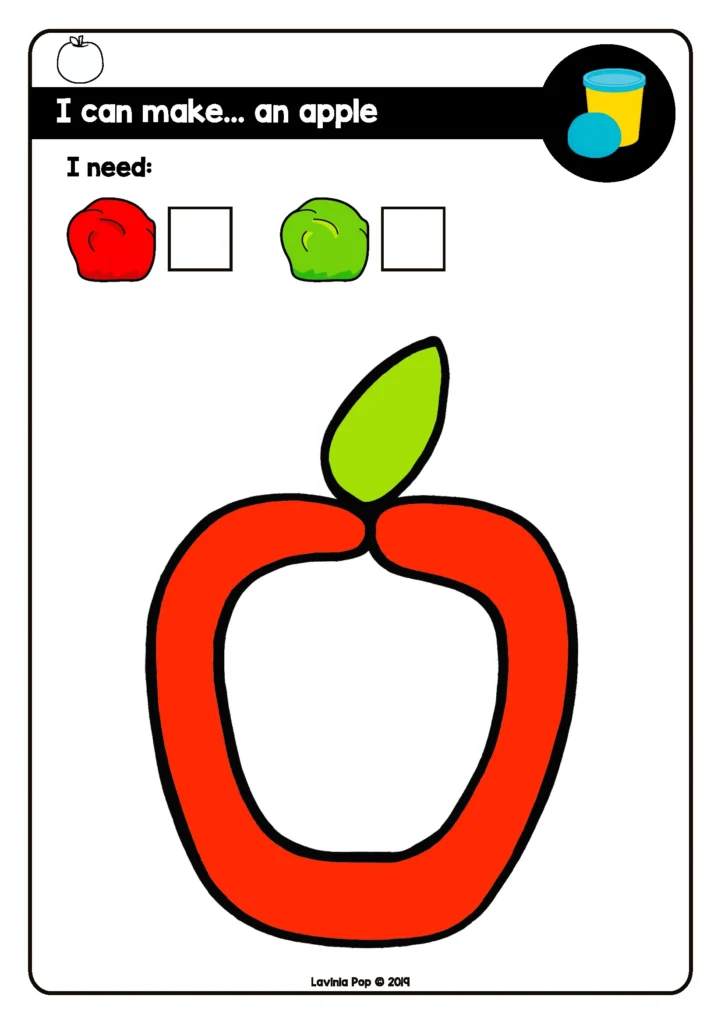
The playdough mats invite children to roll dough into long pieces and shape it over the picture outlines. Rolling, pinching and pressing playdough are simple but effective ways to strengthen fingers and hands.
Building and Creating Pictures
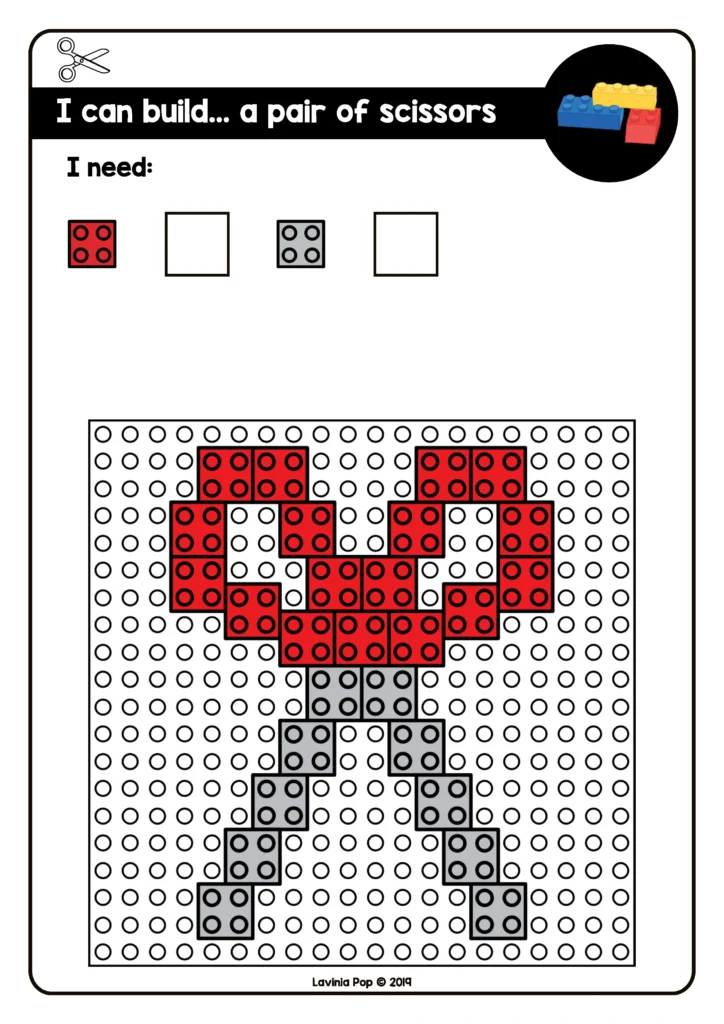
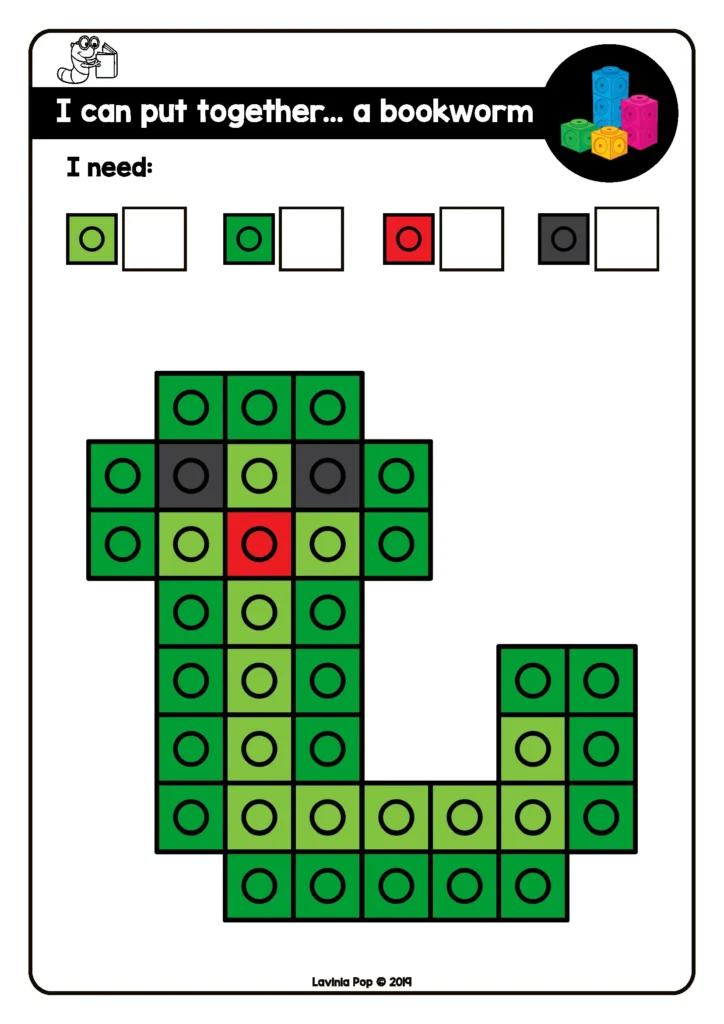
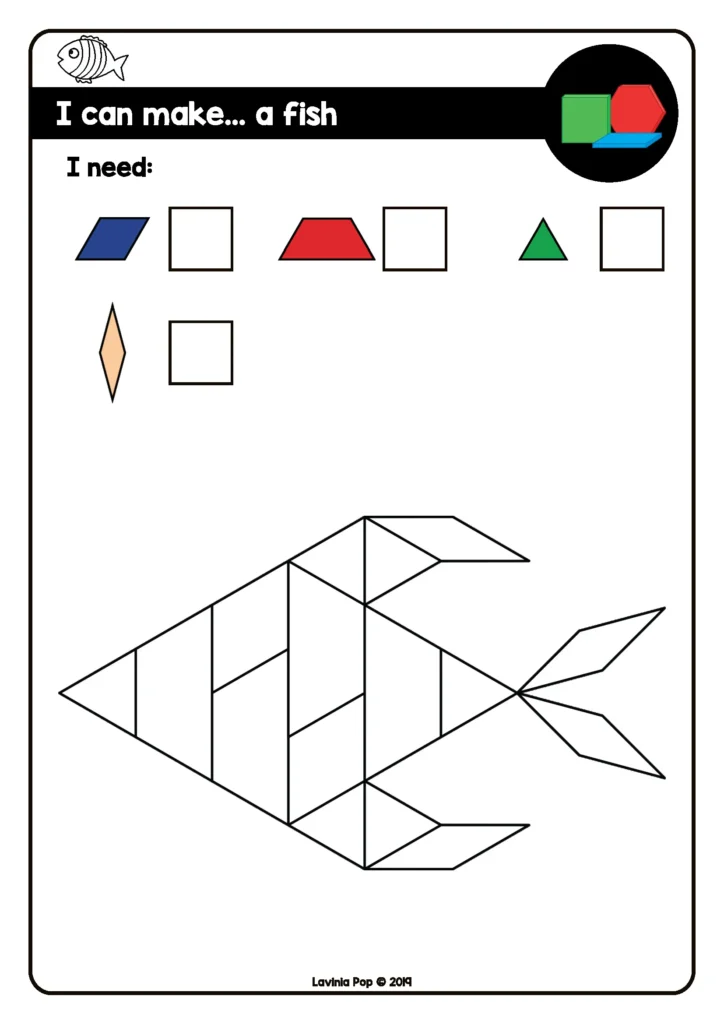
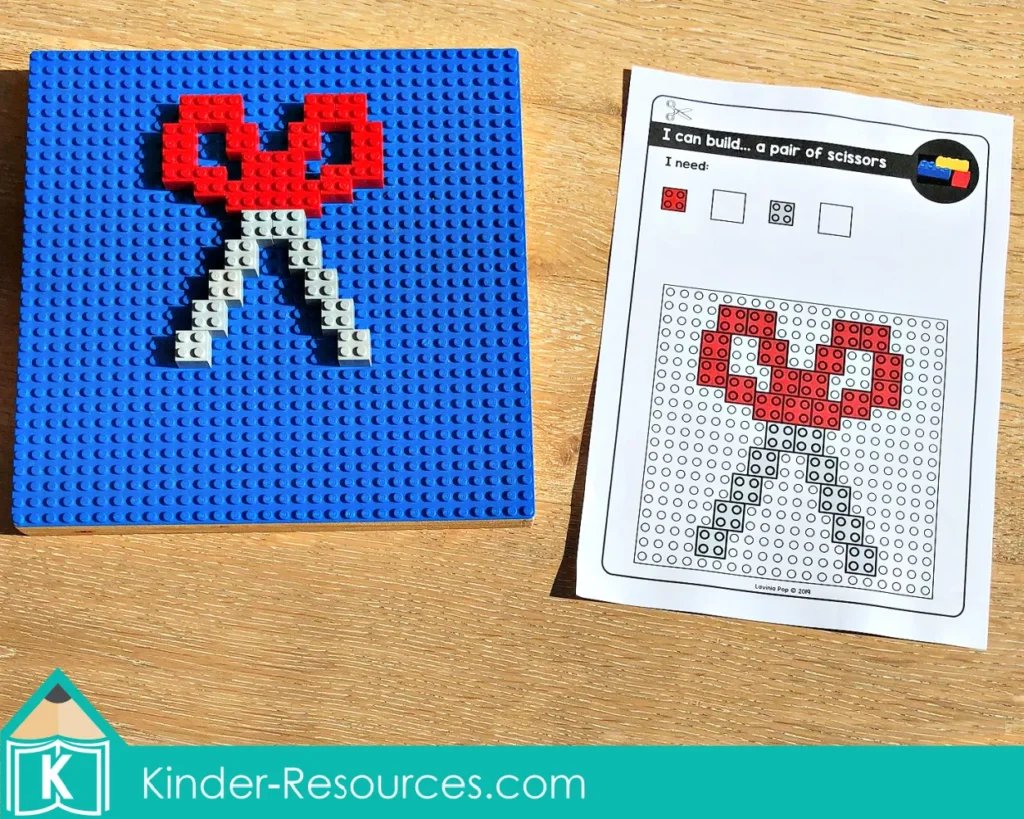
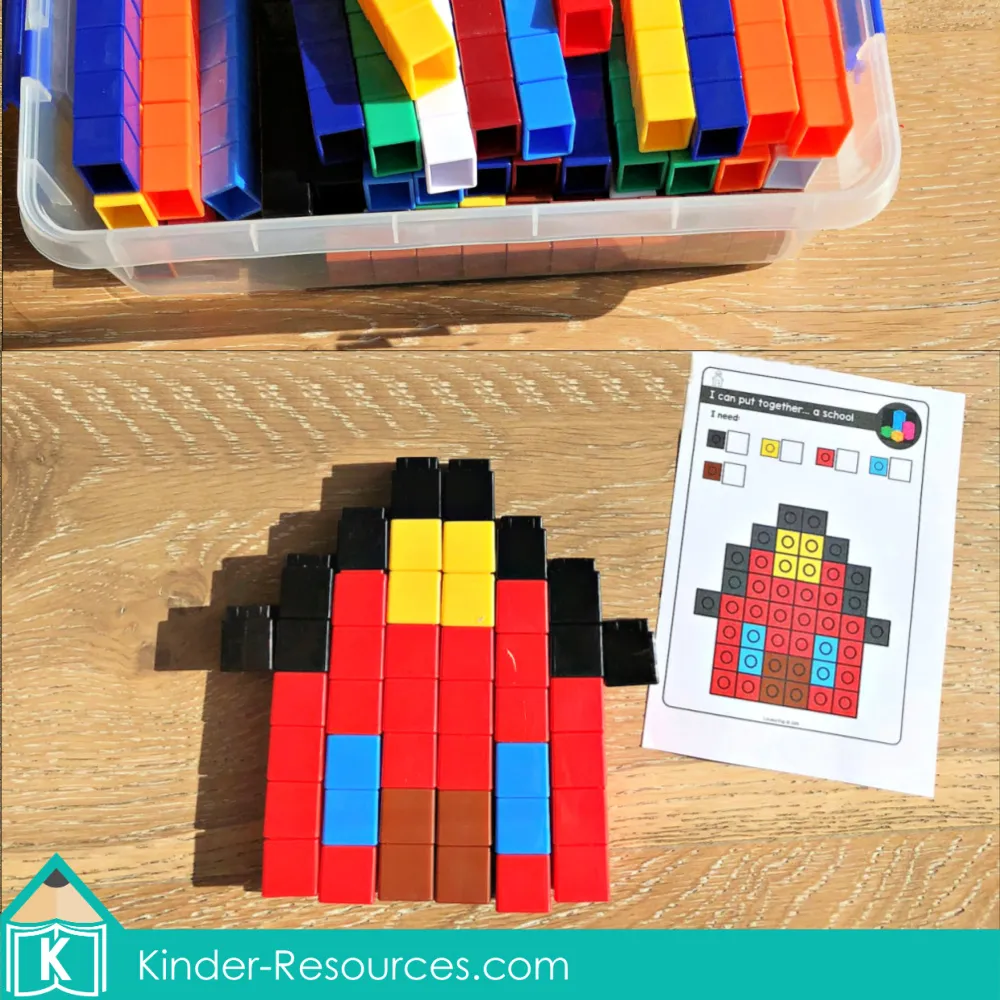
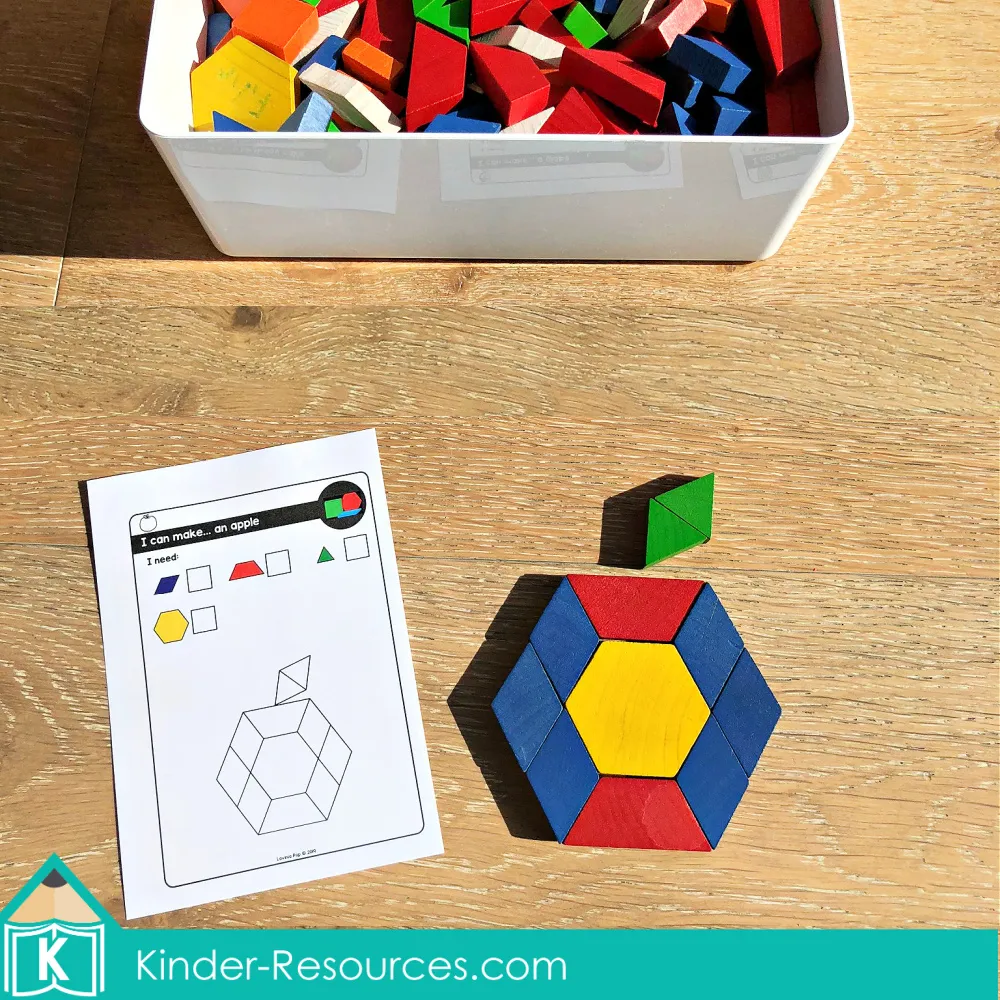
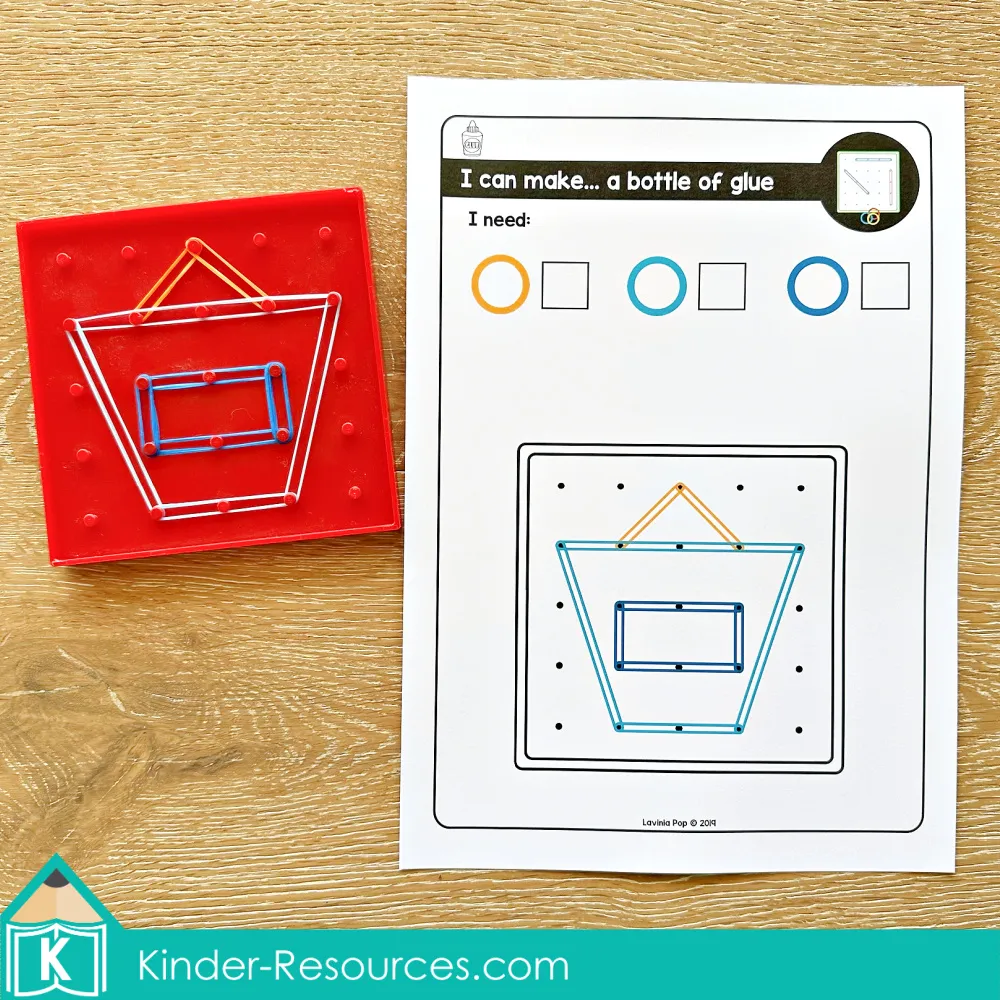
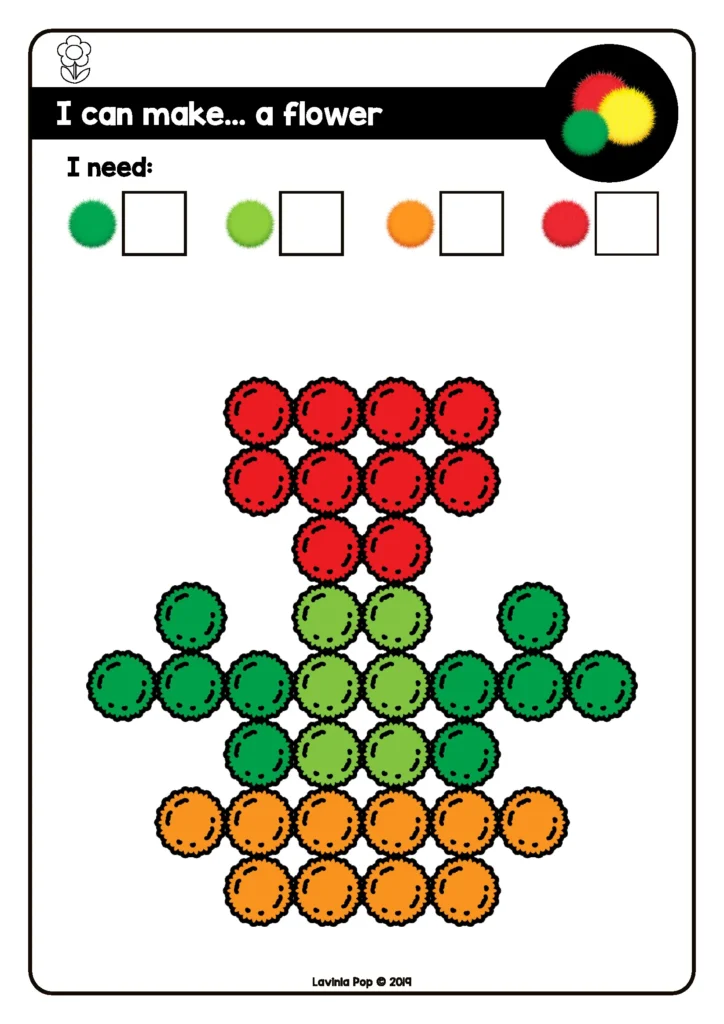
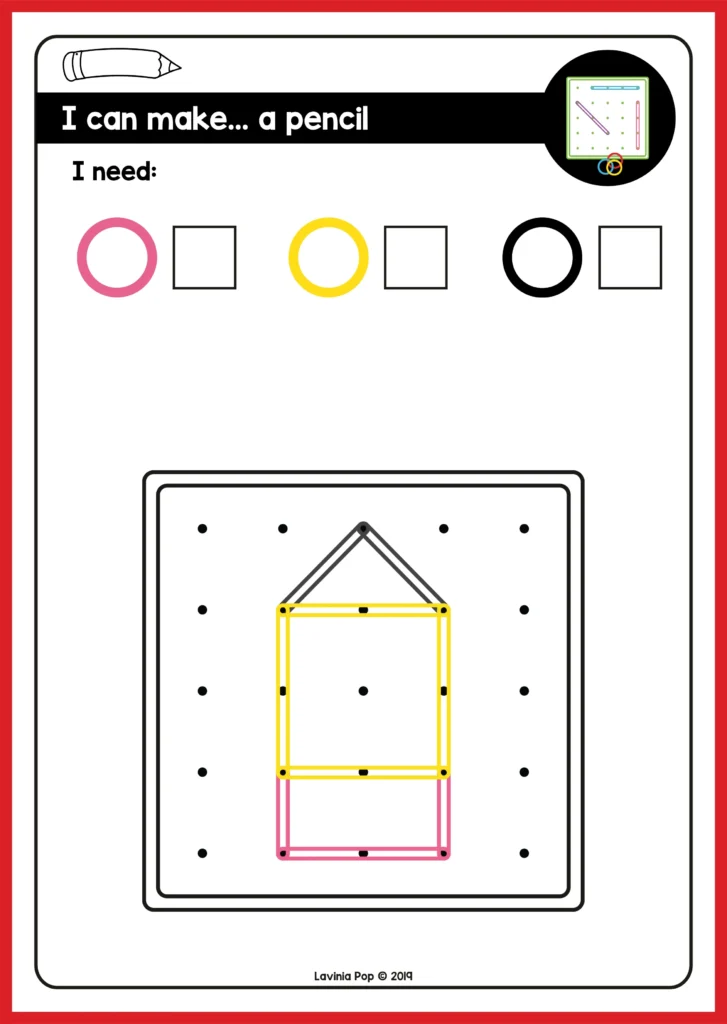
Children can recreate pictures using building bricks, counting cubes, pattern blocks, pom poms and geoboards. These activities combine fine motor practice with visual discrimination, spatial awareness, color matching and problem solving.
Because each set contains several picture choices, the activities can be rotated throughout the month. Children receive repeated practice with familiar materials while still enjoying a new challenge.
How to Use Fine Motor Morning Bins for August
Choose several activities for the week and place each one in a separate tub or tray with the required materials. Children can begin working as they arrive, giving them a calm and productive start to the day.
The activities can also be used for:
- Fine motor centers
- Small group instruction
- Early finishers
- Quiet learning time
- Occupational therapy practice
- Homeschool morning work
- Extra hand strengthening practice
You do not need to introduce all 16 activities at once. Begin with familiar materials and add new activities gradually. Demonstrating each task before placing it in an independent center will help children use the materials successfully.
Simple Preparation and Organization
Print only the activities you plan to use and laminate reusable cards and mats for durability. Dry erase sleeves are another useful option for pages children will trace or complete with markers.
Store each activity in a labeled container with its materials. Beads, cubes, pom poms and pattern blocks can be kept in small boxes or resealable bags inside the tub. This makes the activities easier to prepare and helps children return everything to the correct place.
Rotating the tubs each week keeps the activities interesting without requiring an entirely new routine. Once children understand how the tubs work, they can complete many of the activities with increasing independence.
Purchase the Fine Motor Bins for August
The complete 74 page resource includes all 16 activity types, multiple themed picture choices, preparation directions and supply information. It can be used throughout August and during the first weeks of the school year. To purchase the Fine Motor Bins for August, click on either store link below.


Happy Teaching! 😊
You may also like…
This looks amazing. Thanks for sharing.
I like them.