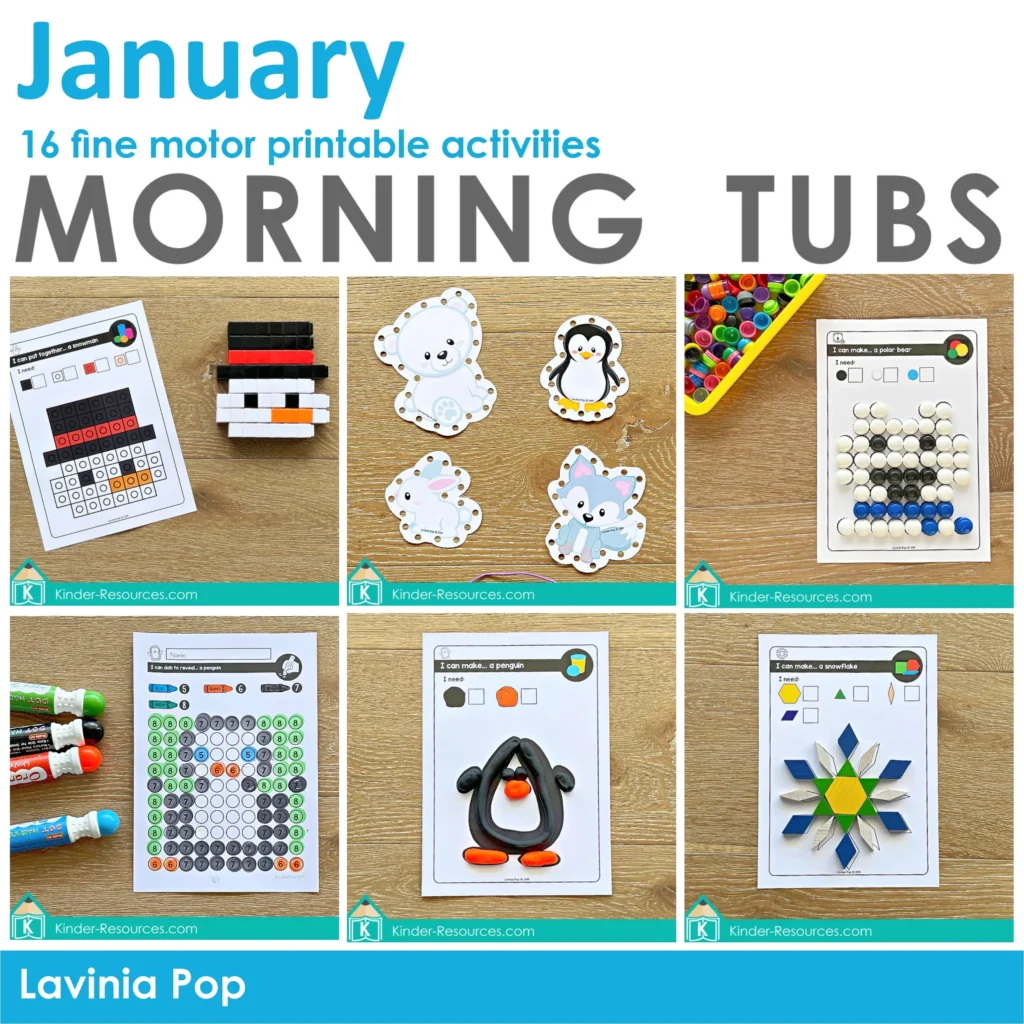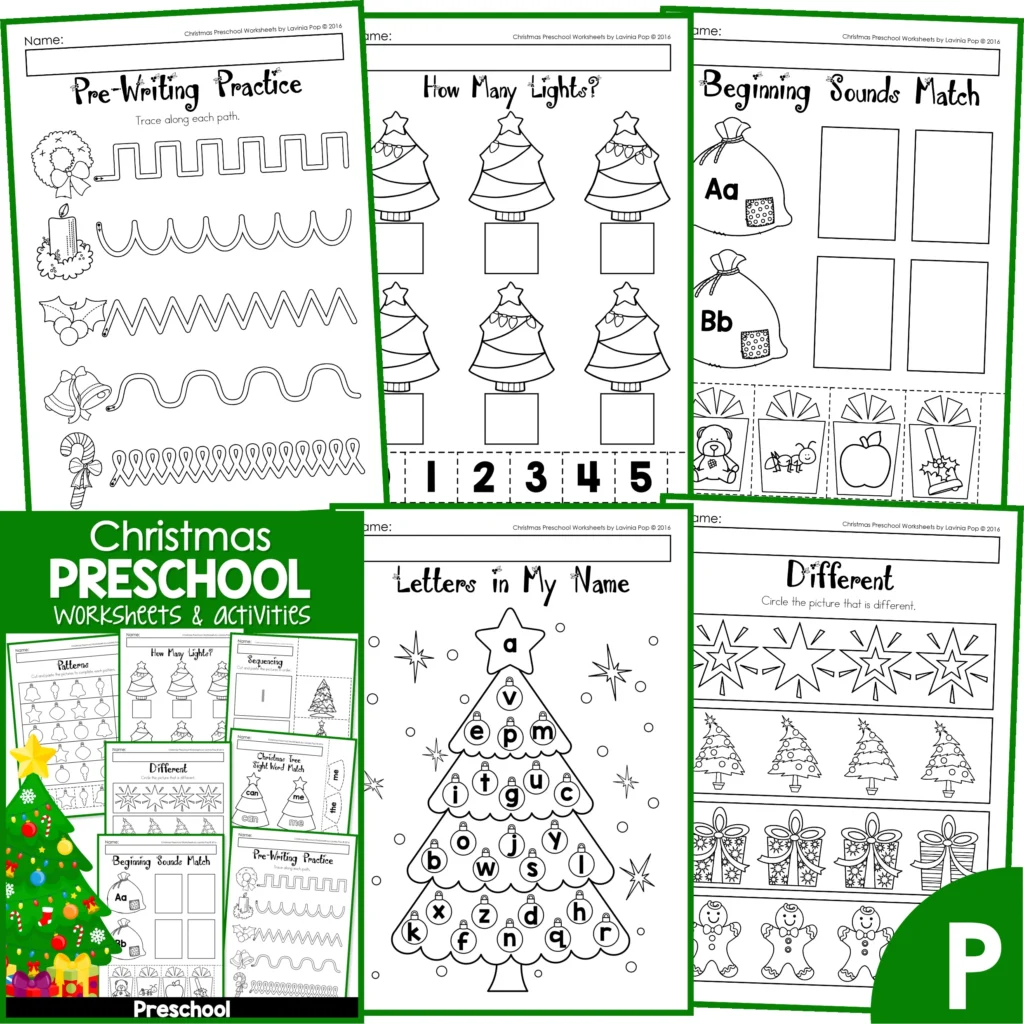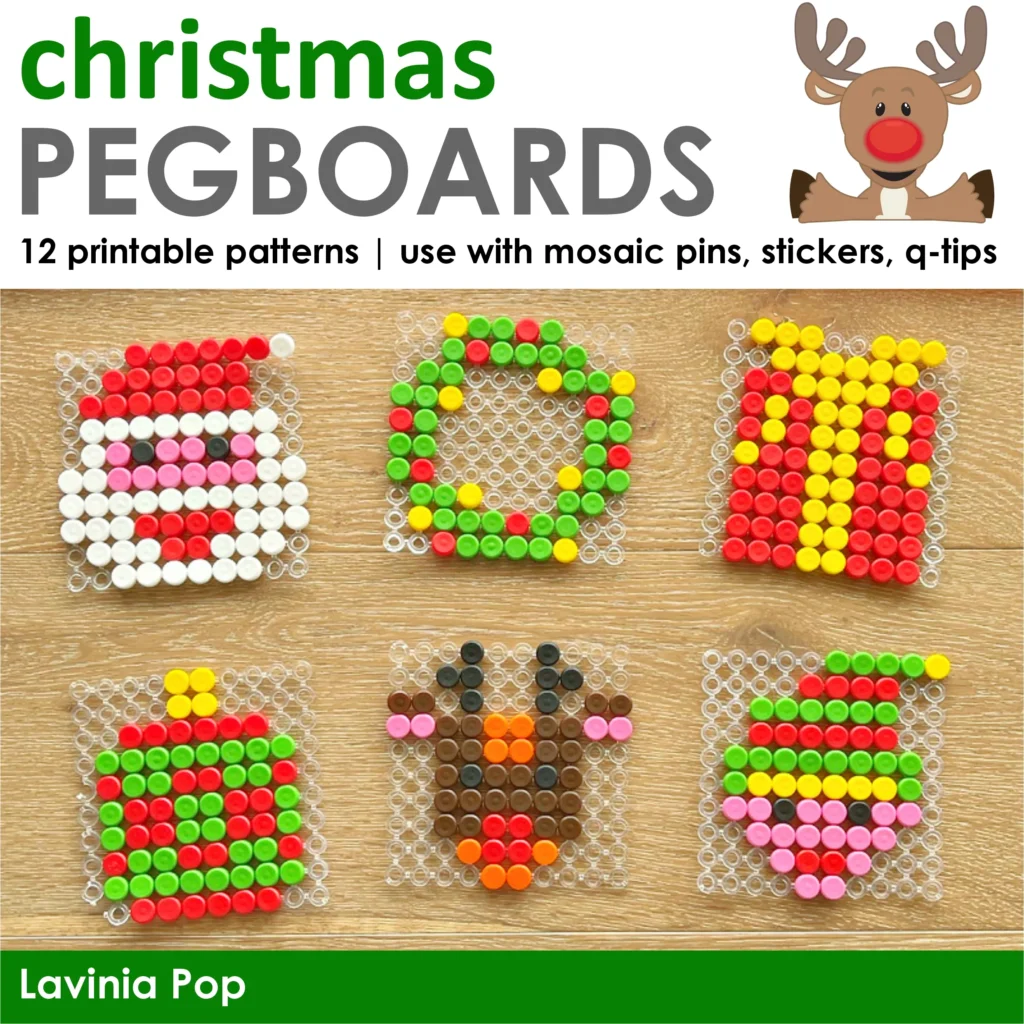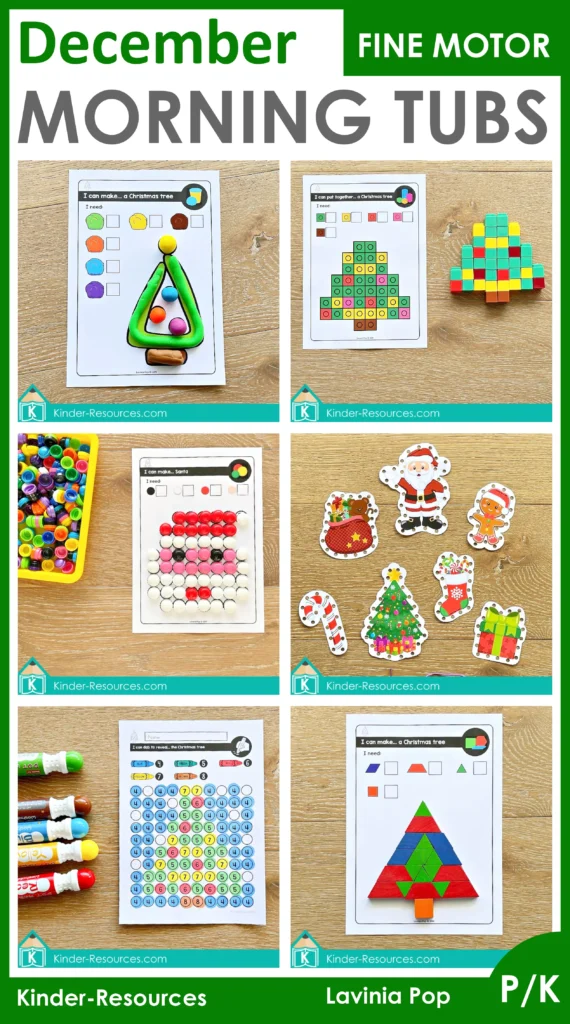
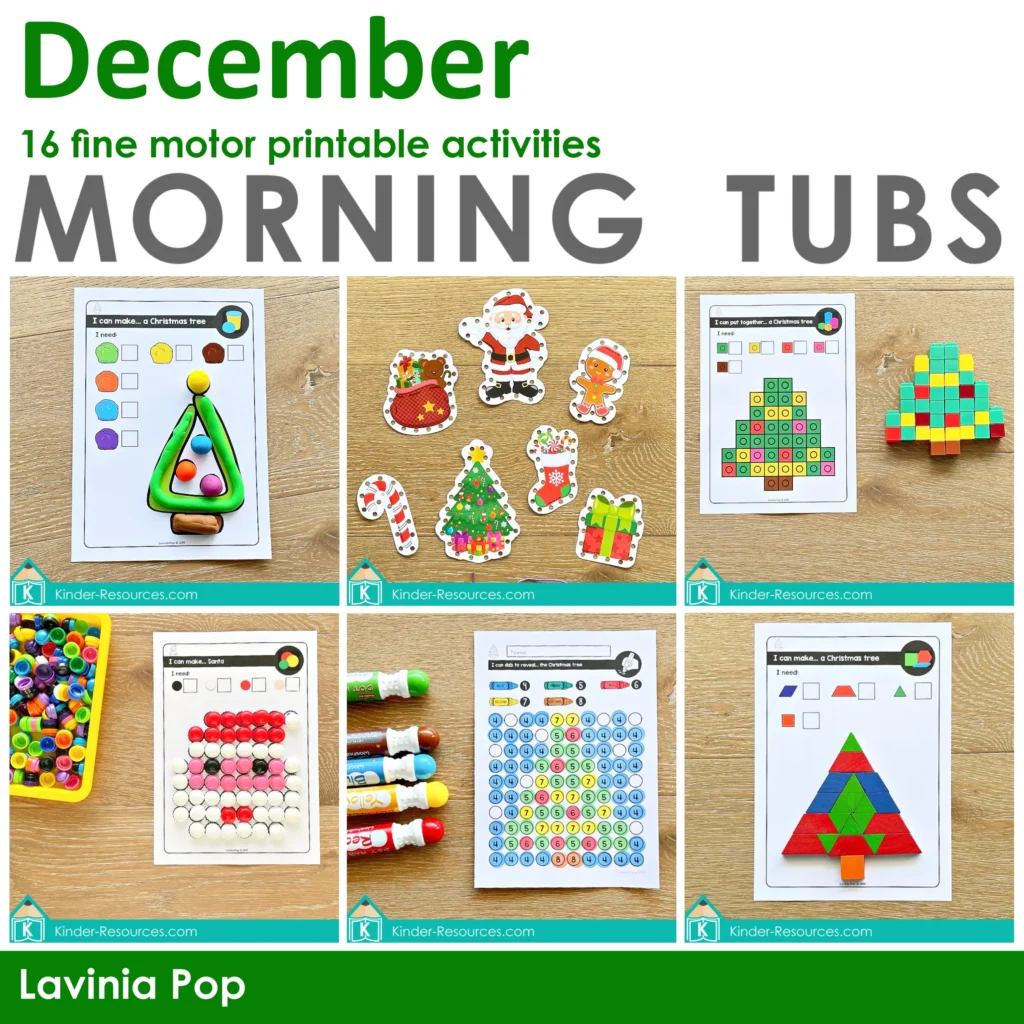
December is a wonderful month to bring joyful, hands on fine motor learning into your classroom. The Preschool Fine Motor Printable Activities for December are designed to make morning tubs simple, engaging, and purposeful so your students can strengthen the skills they need while enjoying festive Christmas themes. This guide will walk you through how to prepare each activity, why it matters for early learners, and how you can use each page to keep your mornings calm and productive throughout the month.
To download some FREE sample pages CLICK HERE or on the link below. To purchase the complete packet, scroll to the end of this blog post for links to my online stores.

This post includes step by step explanations of all the activities and photos so you can see exactly how each tub works and quickly set them up in your classroom.
Supplies You’ll Need for December Morning Tubs
Before you set up your tubs, gather a few simple materials. Most are common classroom items, and they store easily in photo boxes or zip lock bags.
- Pattern blocks
- Linking chains
- Play dough
- Pom poms and tweezers
- Cotton swabs
- Snap cubes or counting cubes
- Geoboards and rubber bands
- Dot markers
- Crayons or markers
- Small manipulatives such as beads, buttons, or mini erasers
- Hole punch
- Yarn or shoelaces for lacing cards
- Scissors and glue sticks
- Push pins or toothpicks for pokey pin activities
- Task boxes, photo boxes, or zip lock bags for organizing tubs
What’s Included in the December Morning Tubs
Your students will explore a wide variety of fine motor skills with 16 engaging December themed activities, including:
- Play dough mats
- Pattern block mats
- Snap cube build cards
- Dot marker reveal pages
- Color matching mats
- Pokey pin ornament pages
- Geoboard task cards
- Cotton swab dot painting
- Pattern chain activities
- Scissor cutting strips
- Hole punch cards
- Lacing cards
- Count and cover pictures
- Cut, glue, and trace worksheets
- Pom pom pictures
- Lego building cards
Each activity includes a visual instruction card so children can work independently.


Christmas Fine Motor Cutting and Punch Cards
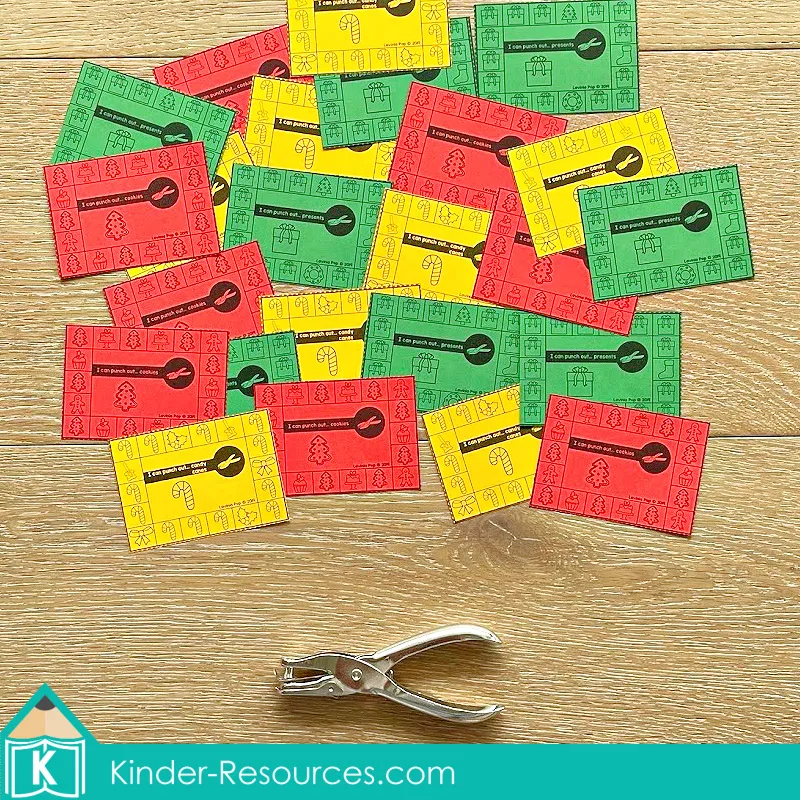
Invite children to explore the Christmas hole punch cards, which are perfect for strengthening hand and finger muscles. Print the cards on colored paper and place them in a small tub with a single hole puncher so students can punch the little images around the border. This simple task builds grip strength, control, and endurance for writing.
Tip: Laminate the cards to make them last the whole month.
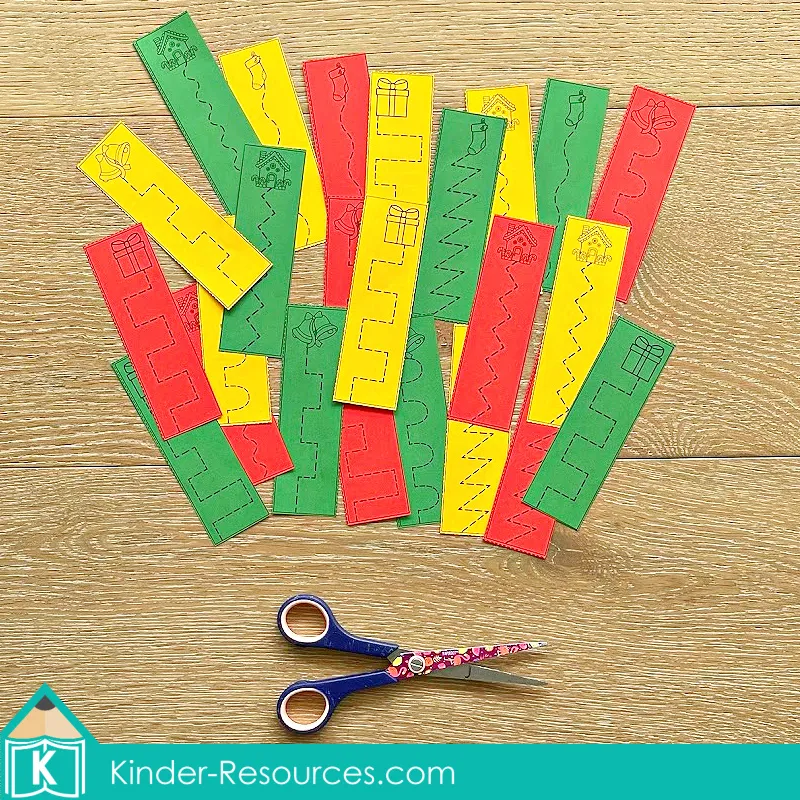
Encourage students to work with the cutting practice strips printed on red, green, or yellow paper. Cut the long strips apart and add them to a tray with scissors. Children practice cutting along straight, curved, or zigzag lines, which helps improve scissor control and bilateral coordination.
Tip: Offer both simple and more complex lines to meet different skill levels.
Christmas Fine Motor Worksheets
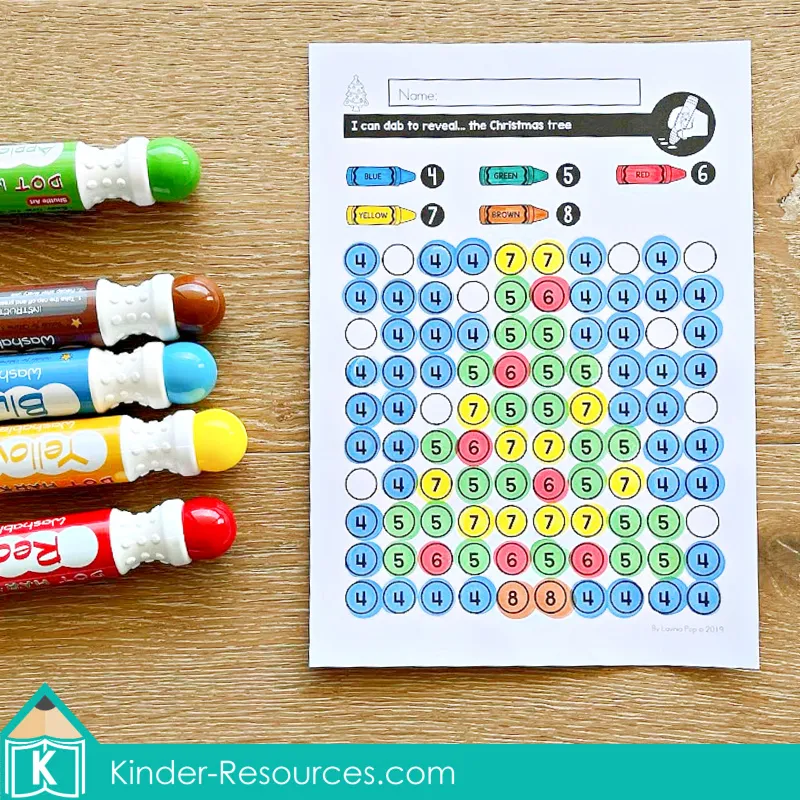
Add mystery dab pictures to your morning tubs to build hand eye coordination. Print the pages and place them with dot markers so children can dab the circles using the color code. This also supports visual scanning and controlled movements.
Tip: Stickers are a great option for quieter, mess free mornings.
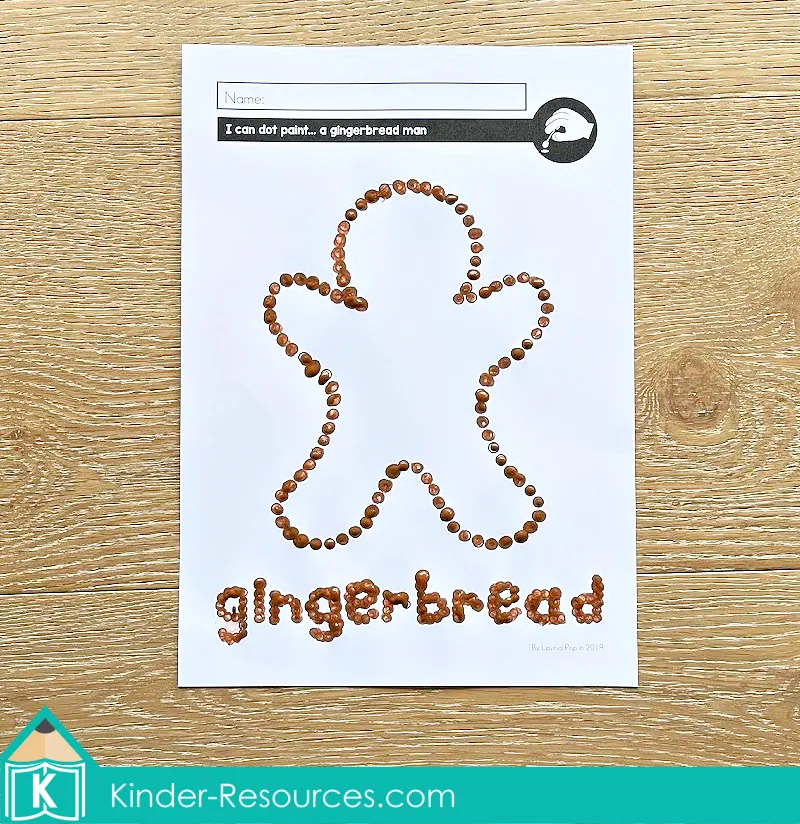
Invite children to explore the cotton swab dot painting pages, which come in several Christmas themed designs. Set out a few small dabs of paint and let students tap each dot with a cotton swab to complete the picture. This activity encourages steady hand movements, strengthens early pencil control, and helps students slow down and focus on accuracy.
Tip: Keep the paint and cotton swabs in a shallow tray to make setup and cleanup quick.
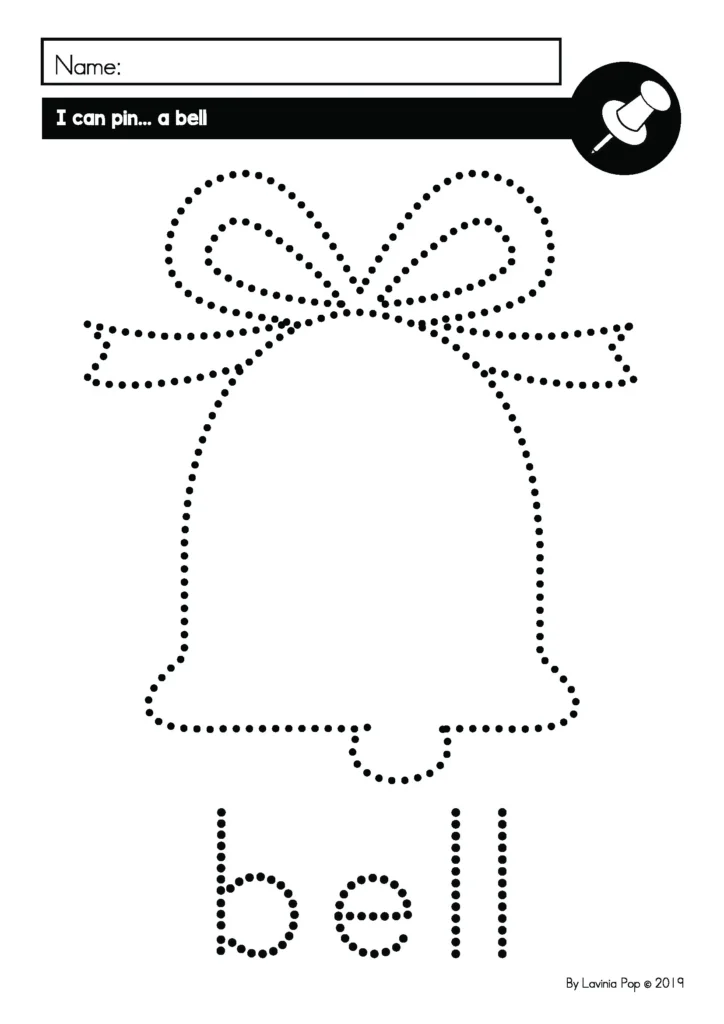
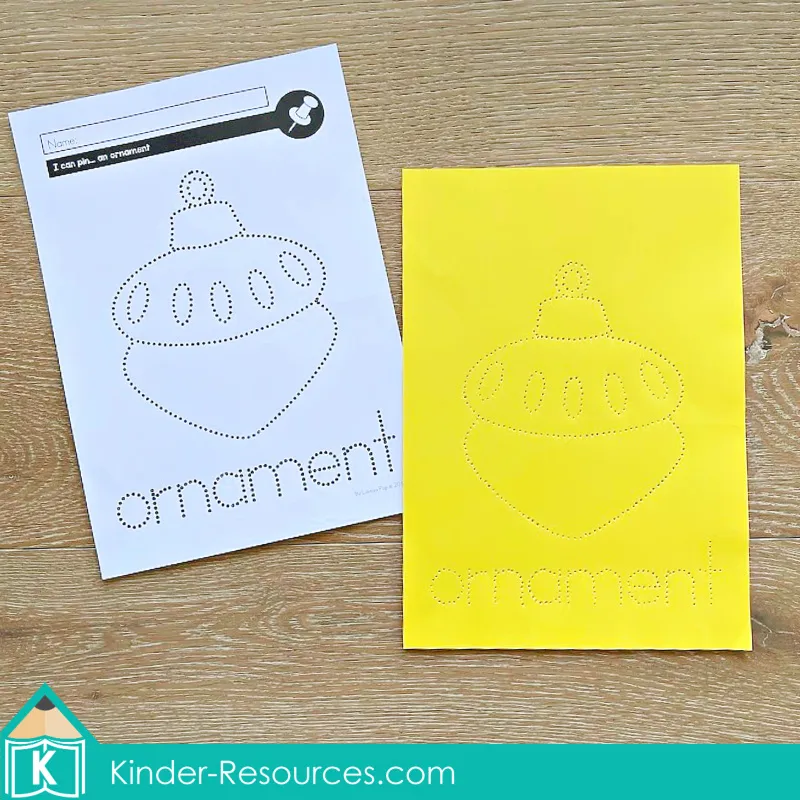
Let students explore pokey pin pictures, which are excellent for finger strength and concentration. Children poke around the outline using a push pin and foam mat, creating a glowing effect when held against the light.
Tip: Review safety expectations before beginning.
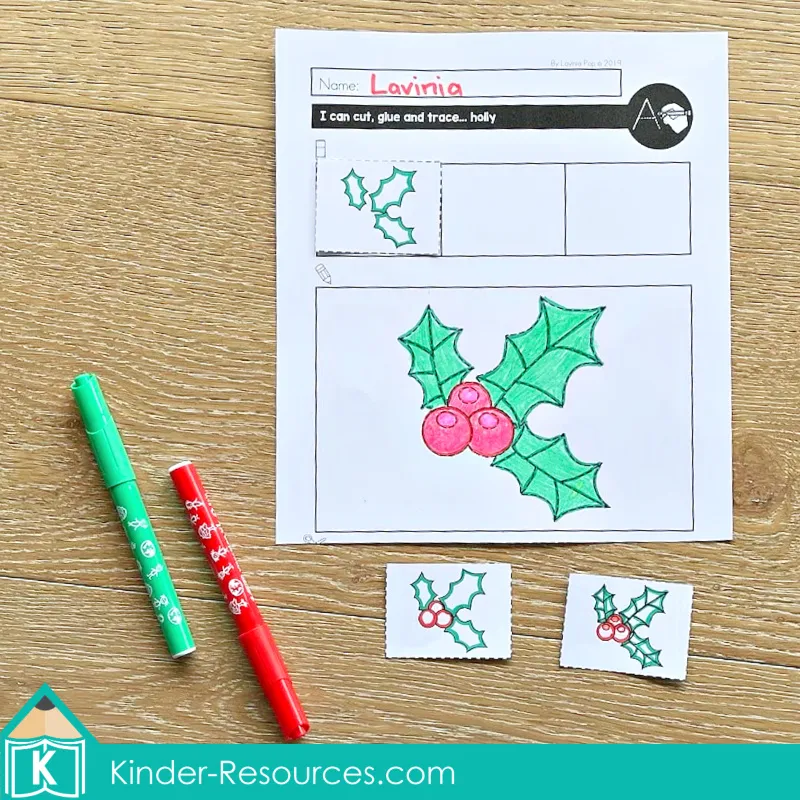
Invite students to try the cut, glue, and trace worksheets, such as the holly sequence page. Children cut out the small pictures, glue them into the correct order, then trace and color the final image. This reinforces sequencing, pre writing skills, and fine motor control.
Tip: Pre cut the top strip for beginners who need support.

Christmas Fine Motor Task Cards
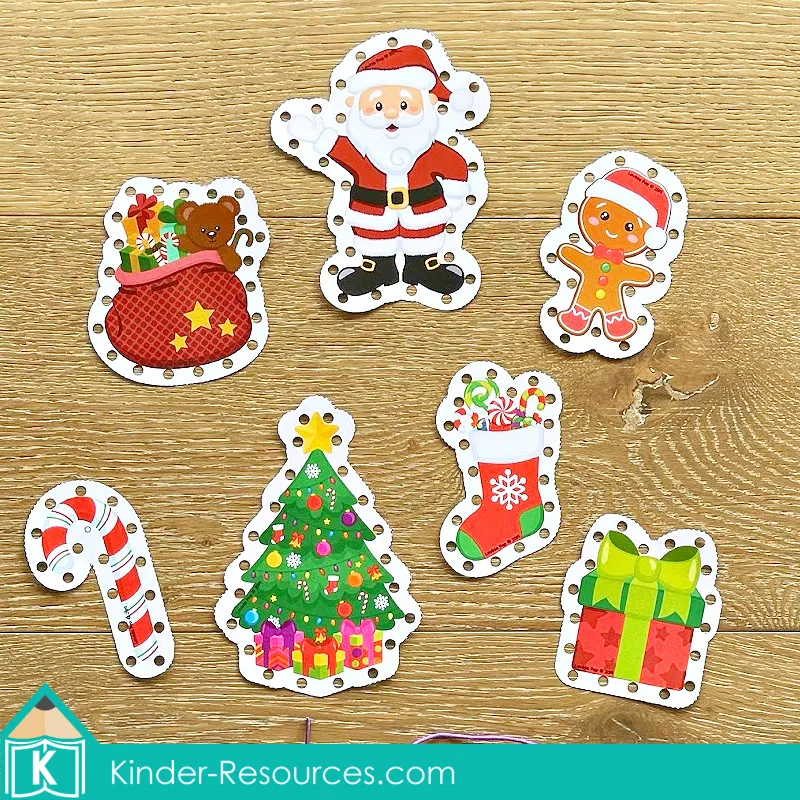
Use the Christmas lacing cards to strengthen bilateral coordination and promote steady hand movements. Print, laminate, and punch the holes, then place them with yarn or shoelaces for threading.
Tip: Choose thicker laces for younger children.
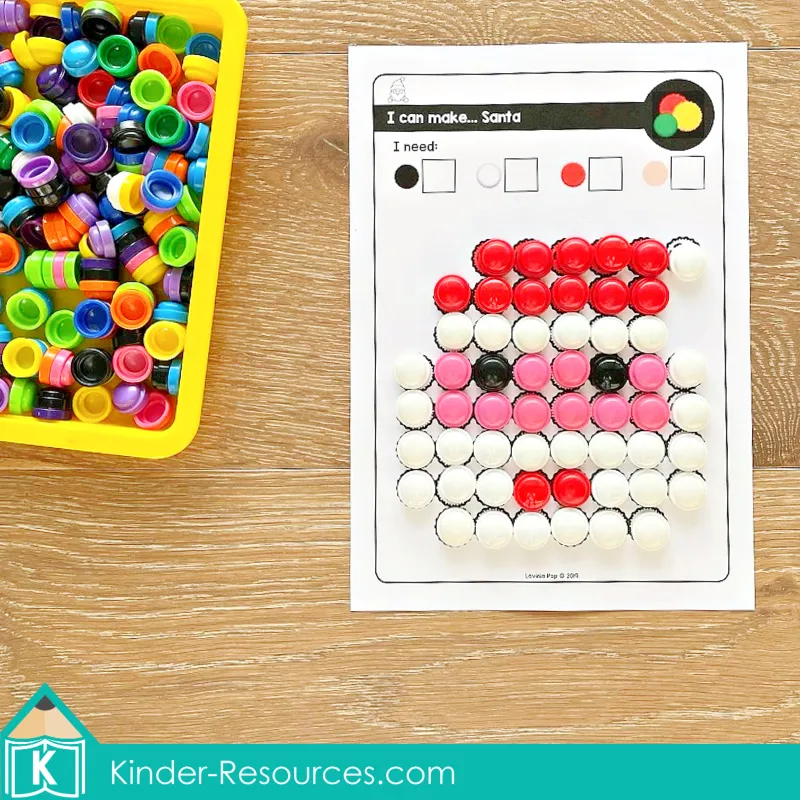
Offer pom pom picture cards, such as the Santa design. Children fill each circle with the correct color pom pom, which builds pincer grip, finger isolation, and eye hand coordination.
Tip: Add tweezers for students who are ready for a challenge.
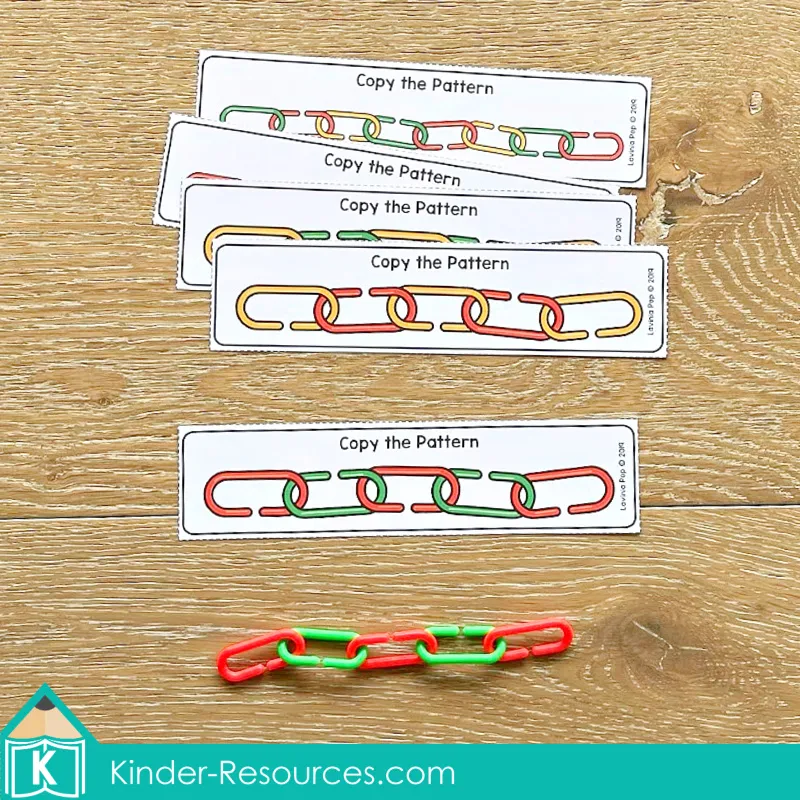
Add pattern chain link cards to support linking skills and pattern recognition. Children recreate the pattern by connecting plastic chain links in the correct order.
Tip: Store chain links in small cups to keep sets organized.
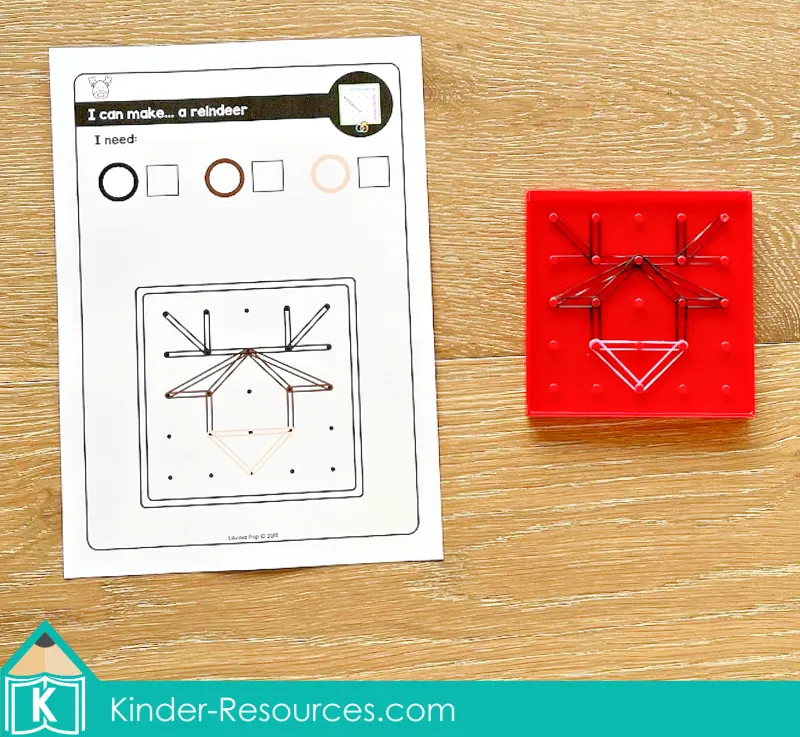
Invite students to explore geoboard task cards, including the reindeer design. Children recreate the picture by stretching elastic bands onto the pegs, building spatial thinking and finger strength.
Tip: Include extra matching bands to support accuracy.
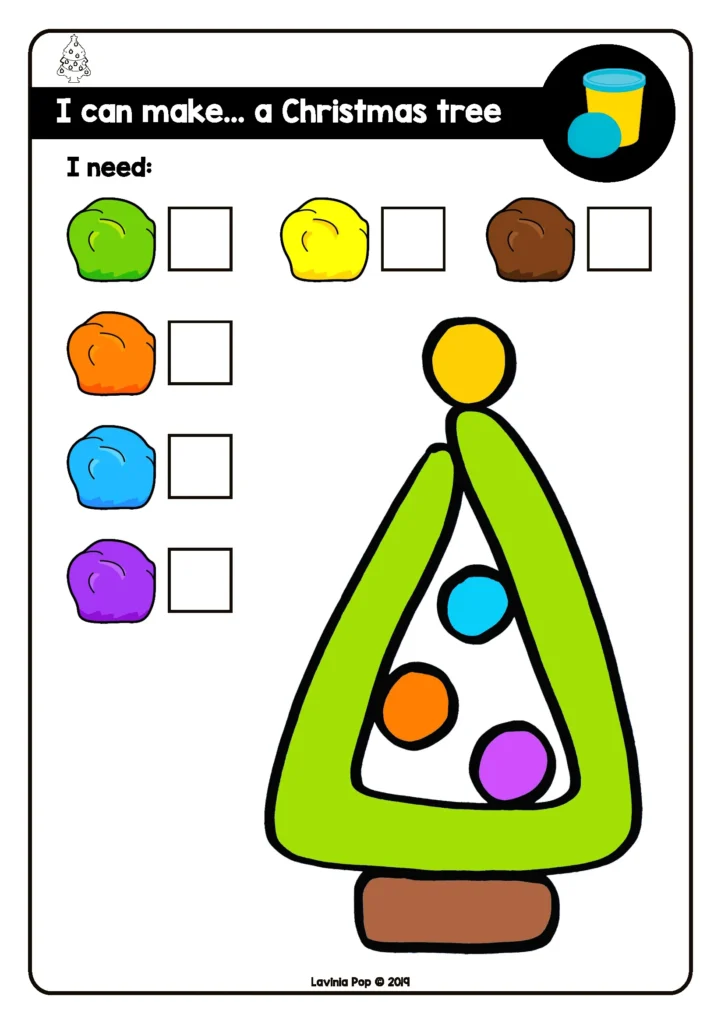
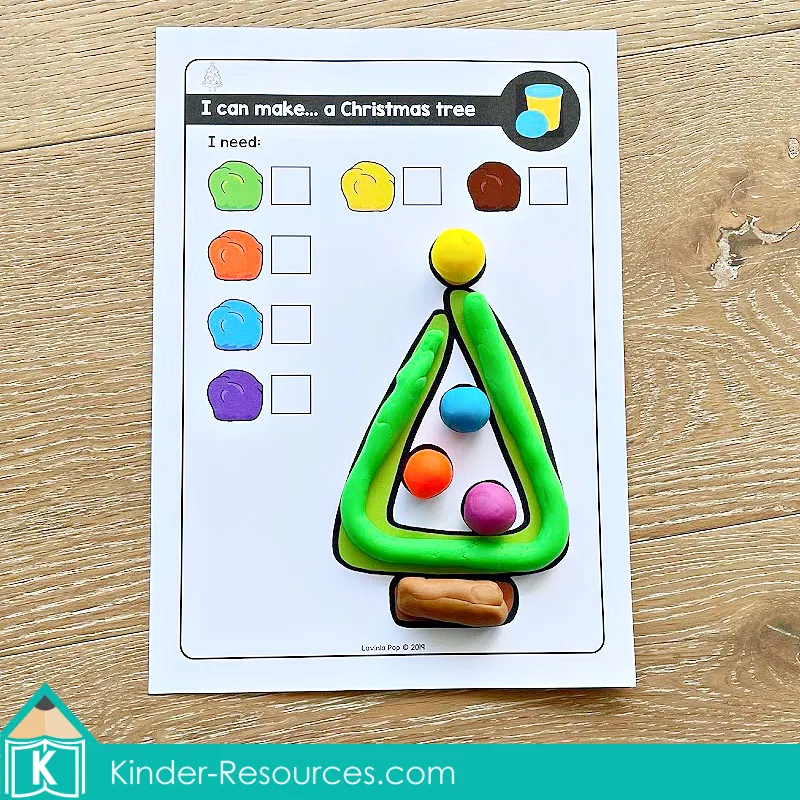
Include play dough task cards, such as the Christmas tree mat. Children roll, pinch, and shape play dough pieces to complete the picture, encouraging strong hand muscles and dexterity.
Tip: Scented play dough adds a festive sensory touch.
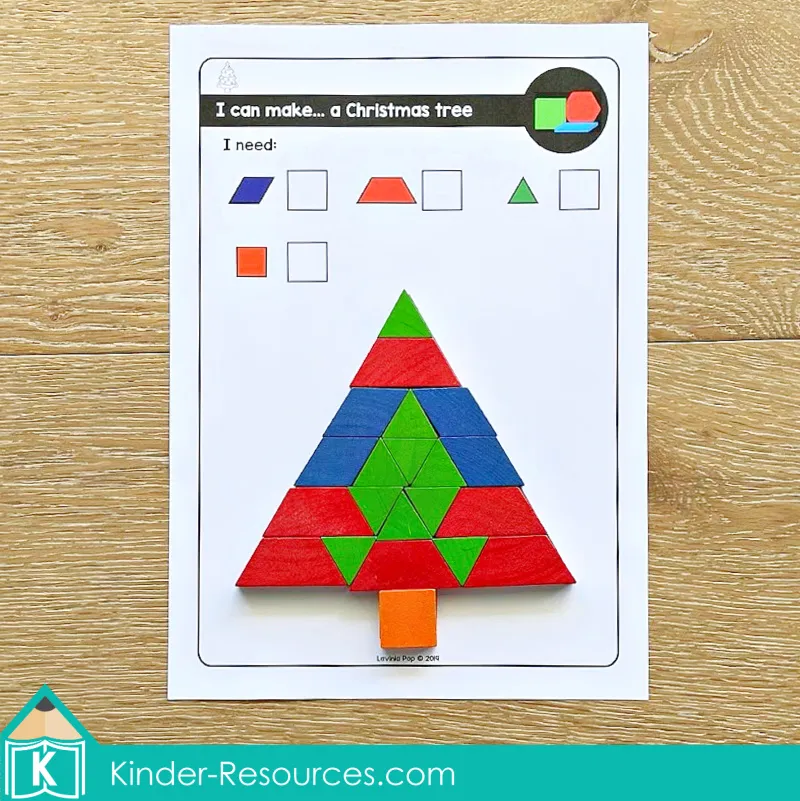
Use pattern block picture cards to help children place shapes in the correct positions. This reinforces spatial reasoning, visual discrimination, and precise hand placement.
Tip: Offer only the shapes needed to complete the card to keep setup simple.
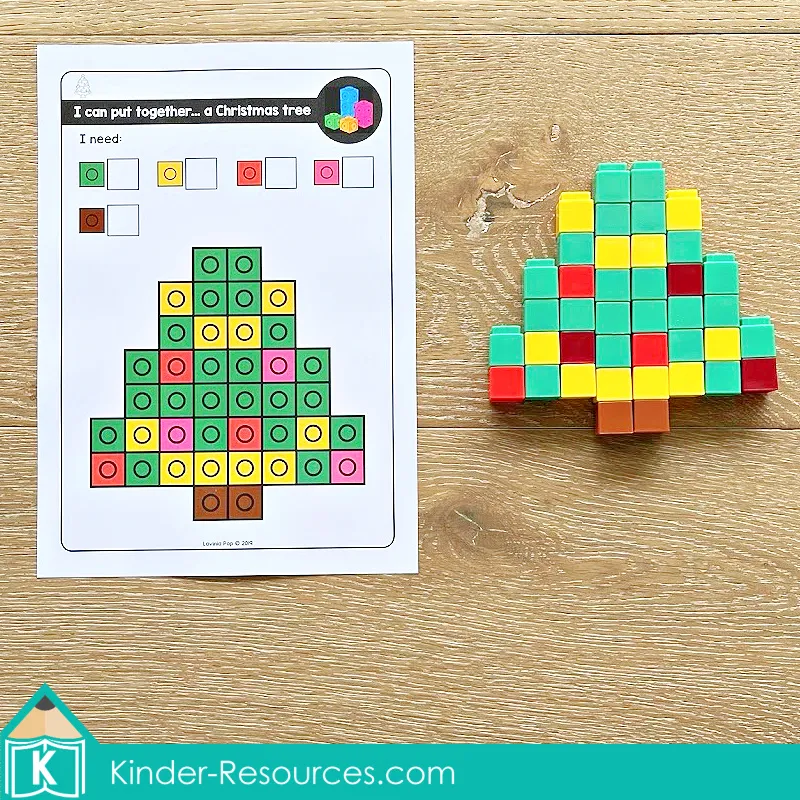
Let students build counting cube pictures, such as the Christmas tree design. Children snap cubes together and arrange them to match the picture on the card. This strengthens hands and reinforces color matching and early counting.
Tip: Sort cubes by color for easier access.
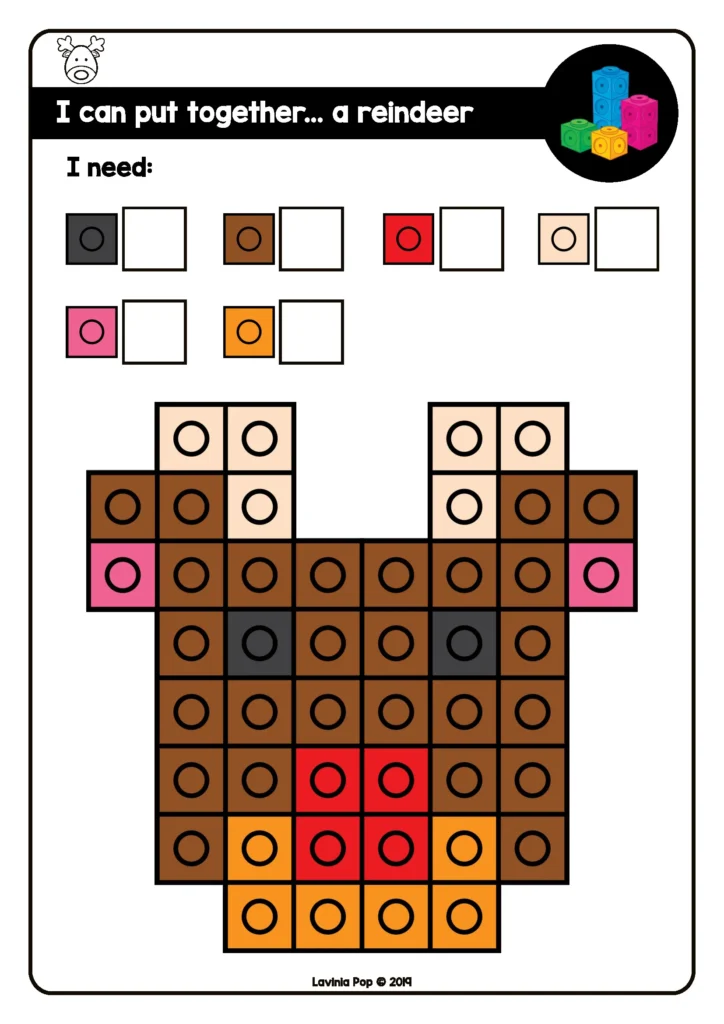
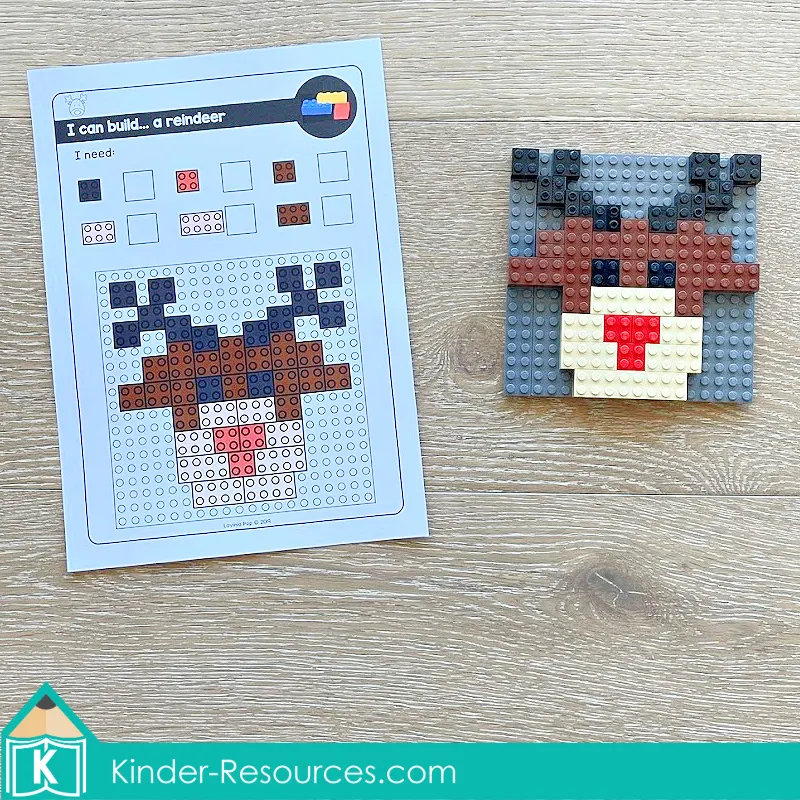
Encourage children to try the building brick task cards, such as the reindeer design. Students collect the needed bricks and build the design on a baseplate while following the visual guide. This supports problem solving and hand coordination.
Tip: A clear baseplate lets students place the card underneath for easier matching.
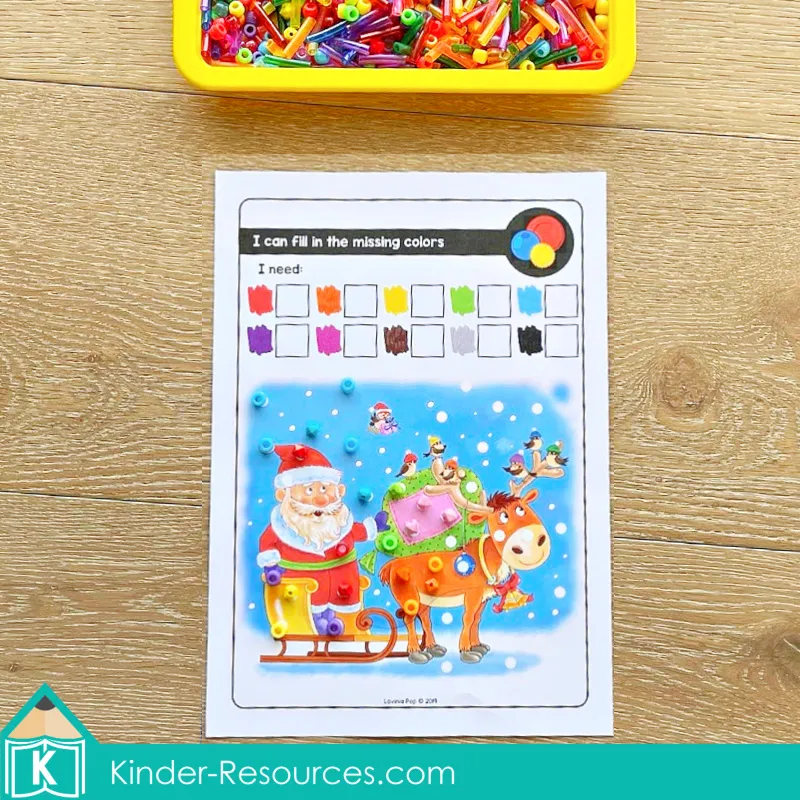
Invite children to work on the missing color bead task cards to build accuracy and color matching skills. Children look at the design, gather the beads they need, and place each one onto the empty circles to complete the picture. This strengthens pincer grip, fine motor control, and visual attention.
Tip: Keep bead colors in small cups or trays to make the activity easier to manage.
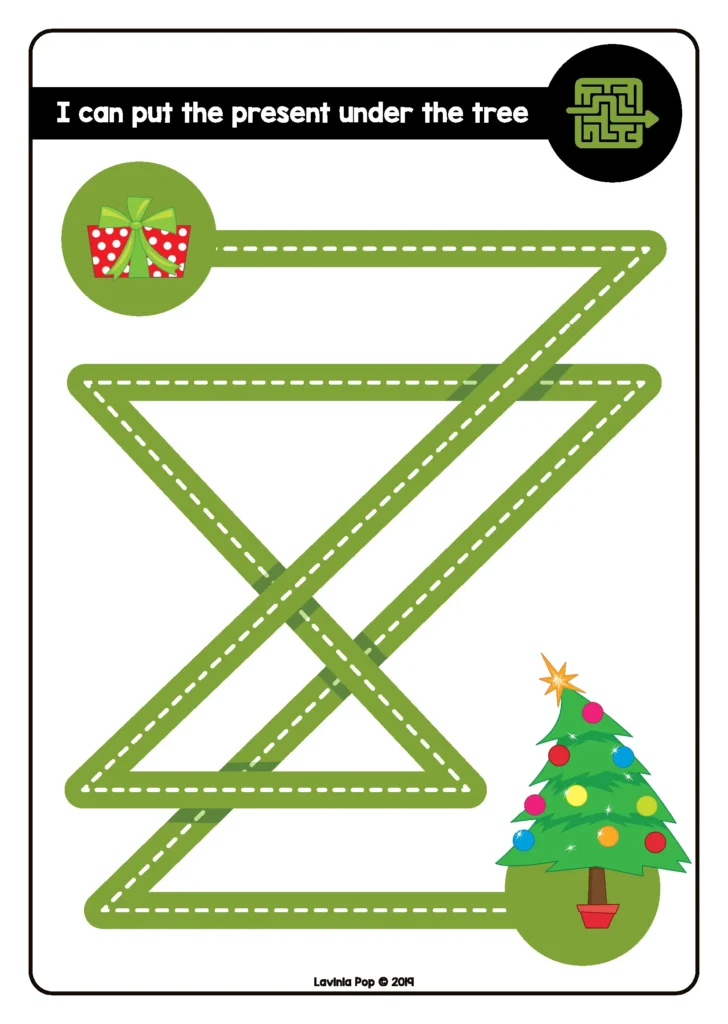
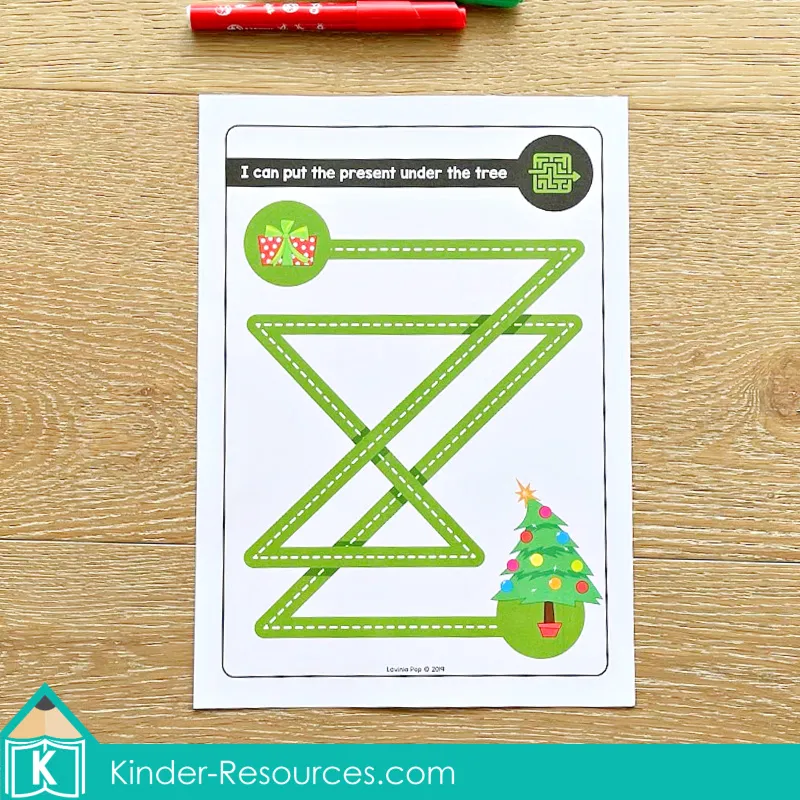
Invite children to complete the Christmas maze cards to strengthen visual tracking and problem solving skills. Children trace a path through the maze using a dry erase marker, moving from start to finish while staying within the lines. This supports hand control, focus, and early pre-reading skills such as left-to-right movement.
Tip: Offer small beads or buttons for children who prefer to move an object through the maze instead of drawing.
Classroom Tips for Smooth December Mornings
To help your morning tubs run easily and independently:
- Store each activity in a photo box or zip lock bag with the instruction card on top.
- Keep a small supply caddy nearby with scissors, glue sticks, tweezers, cotton swabs, and play dough.
- Rotate tubs weekly to keep interest high and give students repeated practice with key fine motor skills.
- Model how to clean up each activity so transitions stay quick and consistent.
Who These December Morning Tubs Are Perfect For
These December fine motor tubs work wonderfully in:
- Preschool
- Pre-K
- Kindergarten
- Transitional Kindergarten
- Special education
- Fine motor or occupational therapy groups
- Early finishers
- December math and literacy centers
- Morning arrival routines
Skills Children Build with December Fine Motor Activities
These activities reinforce so many early learning and fine motor skills, including:
- Pencil control and early writing readiness
- Scissor skills
- Strengthening hand muscles
- Bilateral coordination
- Shape recognition
- Visual discrimination
- Color matching
- Counting and simple problem solving
- Following multi-step directions
- Creativity and independence
Frequently Asked Questions
Do I need to laminate everything?
Laminating the instruction cards and reusable mats helps them last, but consumable pages (cutting strips, pokey pins, dot painting) can be printed on regular paper.
How many tubs should I set out each morning?
Most teachers offer 4 to 6 tubs at a time and rotate them weekly.
How long should morning tubs last?
Ten to fifteen minutes is perfect. Activities are open ended enough for children to stay engaged while you take attendance and greet students.
What’s the best way to store everything?
Photo boxes, zip lock bags, or small task boxes work beautifully. Add the instruction card to the front so students can grab and go.
Purchase the December Fine Motor packet
If you would like to purchase the complete 74-page Fine Motor Printable Activities for December Morning Tubs | Bins packet, click on one of the stores links below.


You may also like…