
The Fine Motor Printable Activities for March are one of the easiest ways to keep little hands busy and learning during the busy spring season. March is full of fun themes like St Patrick’s Day, rainbows, shamrocks, and spring flowers, making it the perfect time to refresh your morning tubs with hands on skill building tasks.
If you’re looking for structured, engaging fine motor practice that actually builds strength and coordination, these March morning tubs give you simple prep with meaningful results. Below, I’ll walk you through each activity included and explain how they support early development.
FREE Fine Motor Printable Activities for March Download
Want to try a sample first?
You can download FREE sample pages from these Fine Motor Printable Activities for March to see how they work in your classroom before grabbing the full set.



Why Use Fine Motor Printable Activities for March in Morning Tubs
Fine motor skills directly impact writing stamina, pencil control, and independence. March can feel long and wiggly, especially with seasonal excitement building. Rotating themed fine motor tubs keeps students focused while strengthening the small muscles in their hands.
These activities are ideal for:
- Preschool
- Pre K
- Kindergarten
- Morning tubs
- Fine motor centers
- Small groups
- Early finishers
Now let’s look at what’s included.
What’s Included in the Fine Motor Printable Activities for March
Picture Punch Cards for Hand Strength
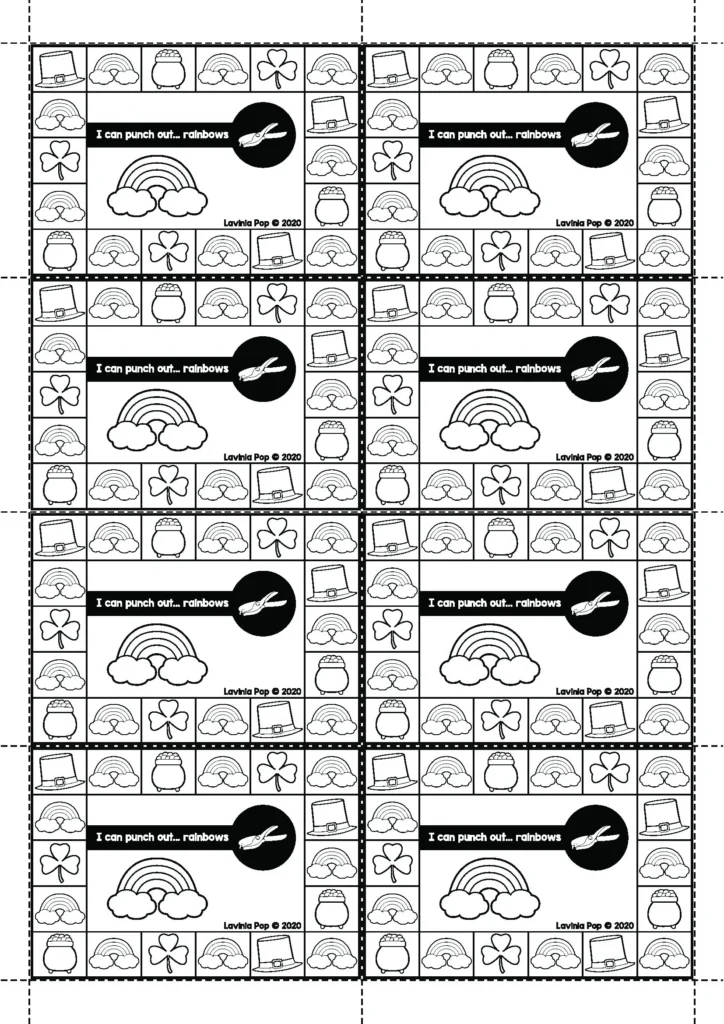
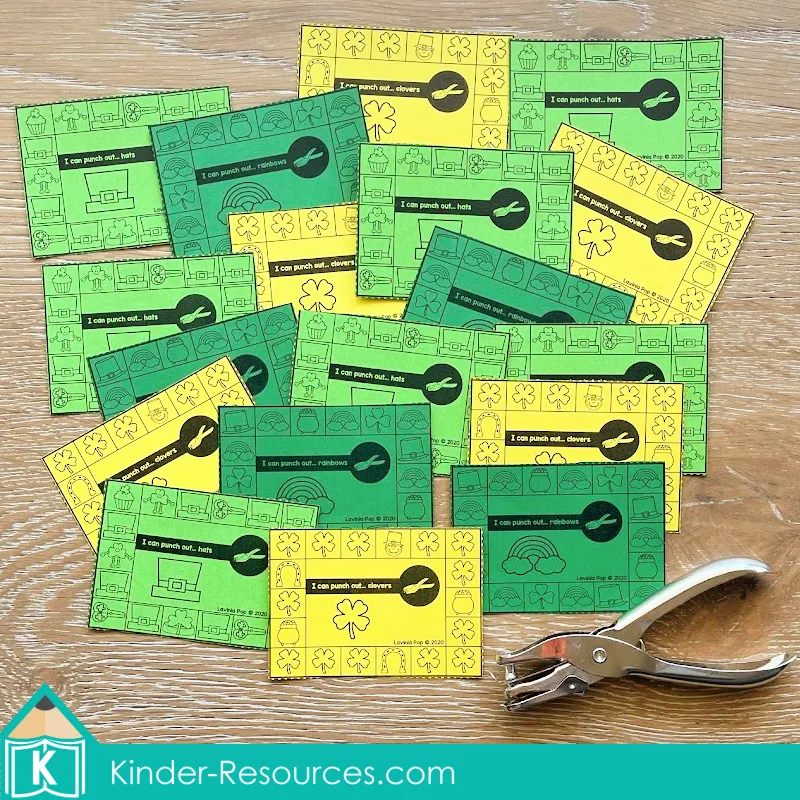
Picture punch cards are always a favorite. Students use a hole puncher to punch out the indicated images on the card.
This simple activity strengthens hand muscles, builds grip control, and improves coordination. It also requires focus and visual tracking, which supports early reading skills.
Tip: Model how to hold the puncher with two hands at first for younger students.
Cutting Practice Cards for Scissor Skills
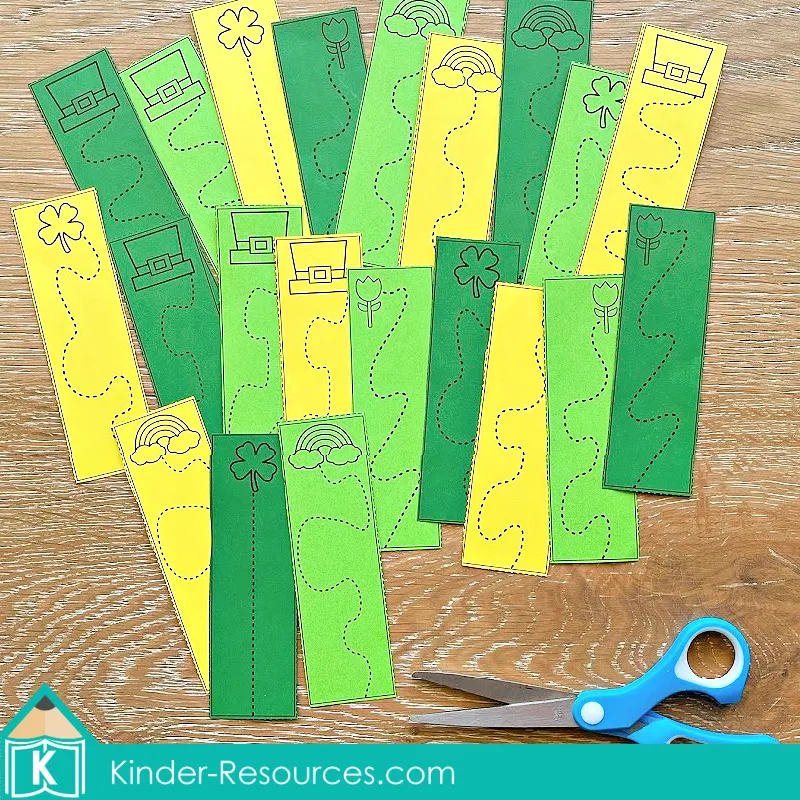
Cutting along dashed lines helps children build scissor control and hand stability. These March themed cutting cards feature fun seasonal images that keep students engaged.
This type of practice strengthens bilateral coordination because one hand stabilizes while the other cuts.
Tip: Start with straight lines, then gradually move to curves for differentiation.
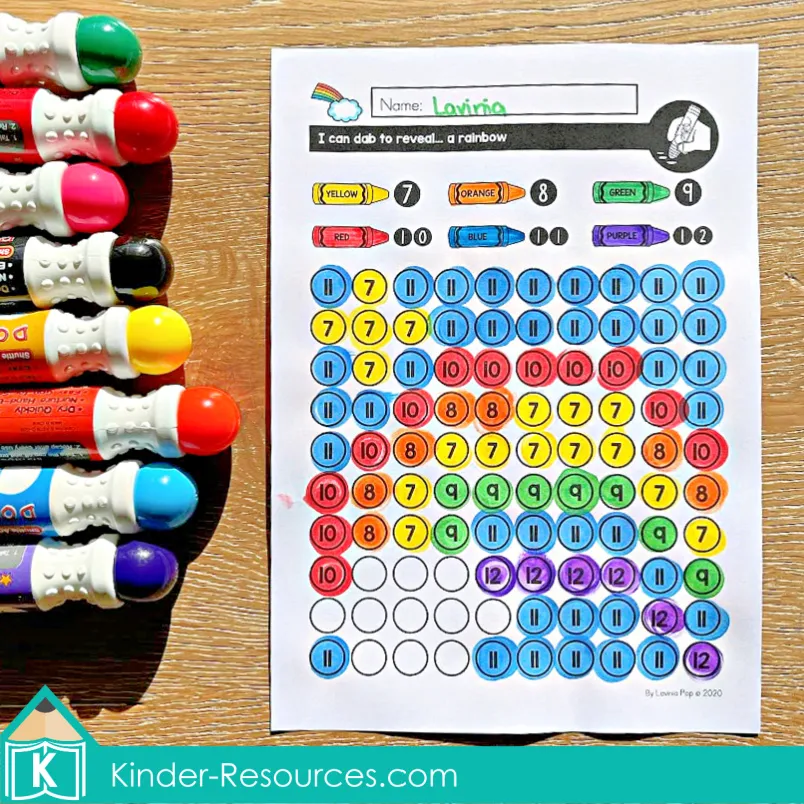
Dab the Mystery Picture Pages
Students use dot markers or round stickers to reveal a hidden March themed image. This activity builds controlled wrist movement and strengthens finger isolation.
It also encourages color recognition and careful attention to detail.
Tip: Stickers are a great lower mess alternative if you do not want to use dot markers.
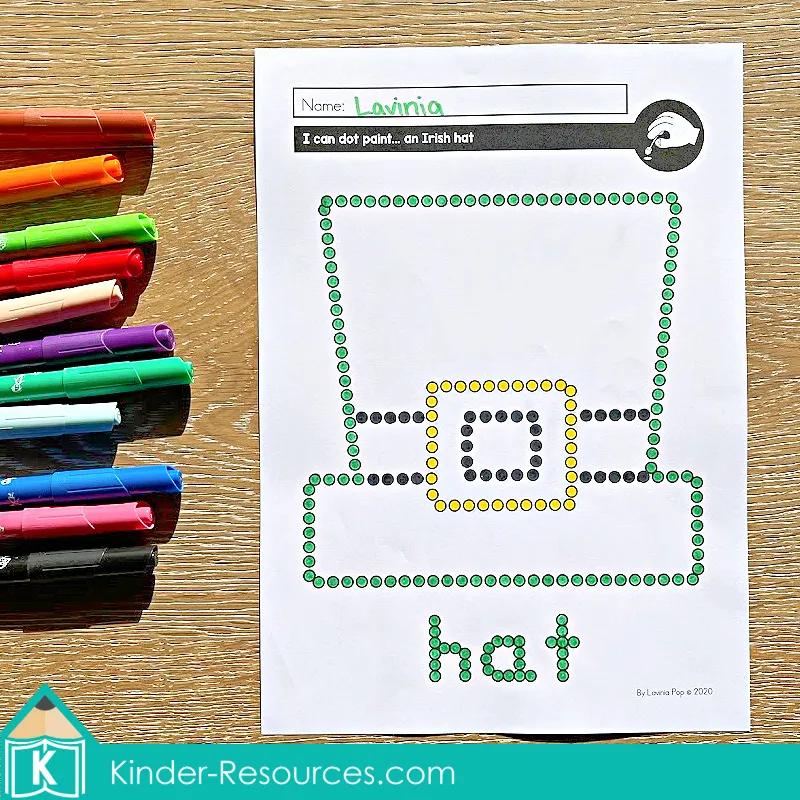
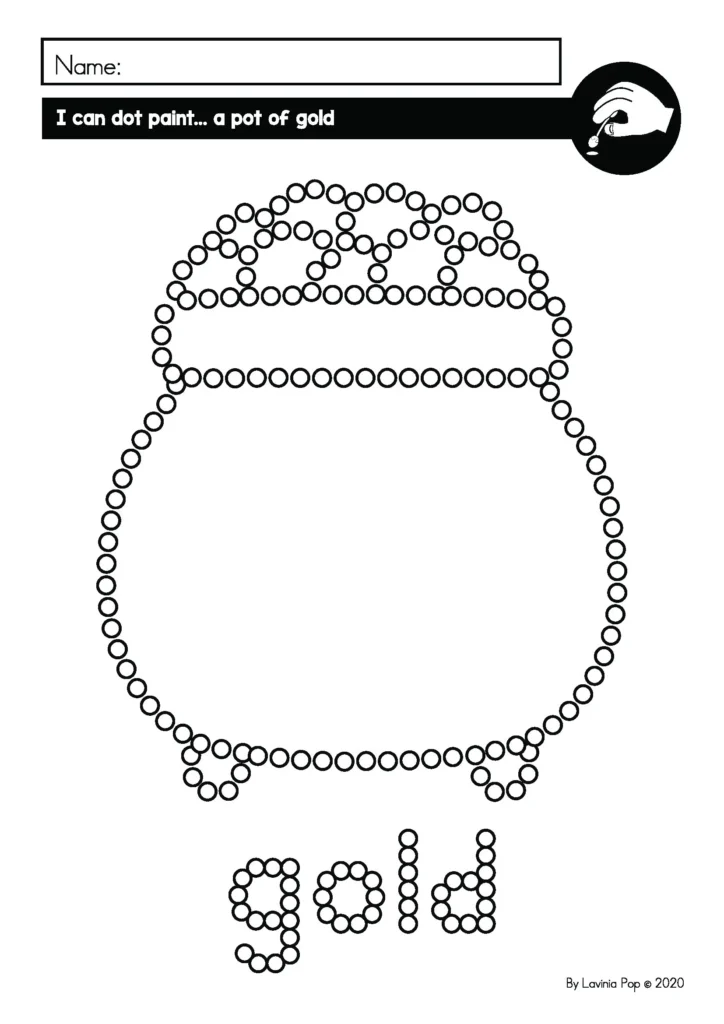
Cotton Swab Dot Painting
Using cotton swabs for painting slows students down and builds controlled grip strength. Children dip the swab into paint and fill the small circles in the image and word.
This supports pencil grip development while keeping the activity playful.
Tip: Use washable tempera paint and limit colors to avoid overwhelm.
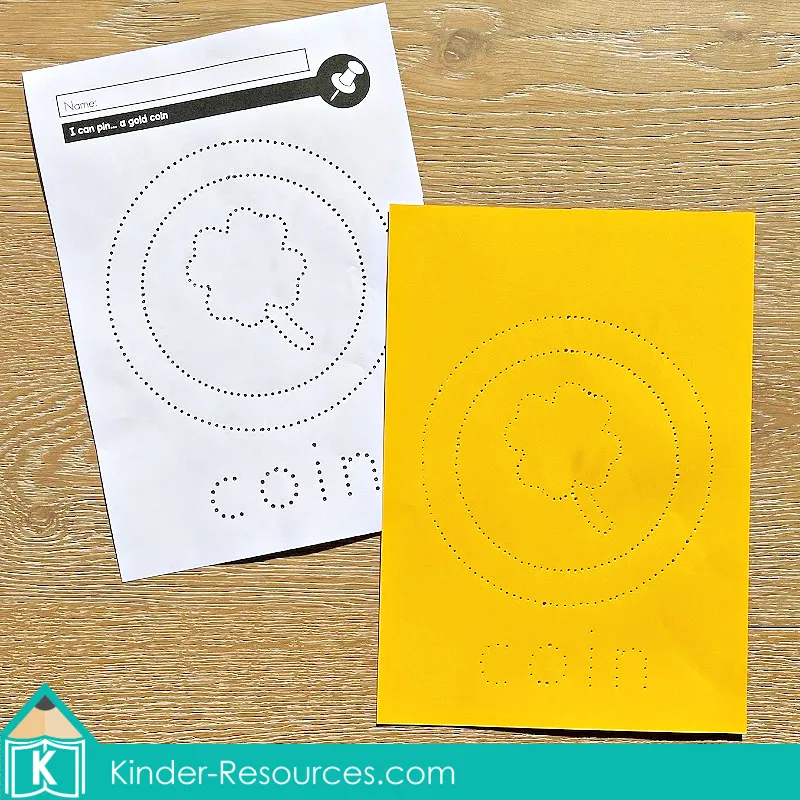
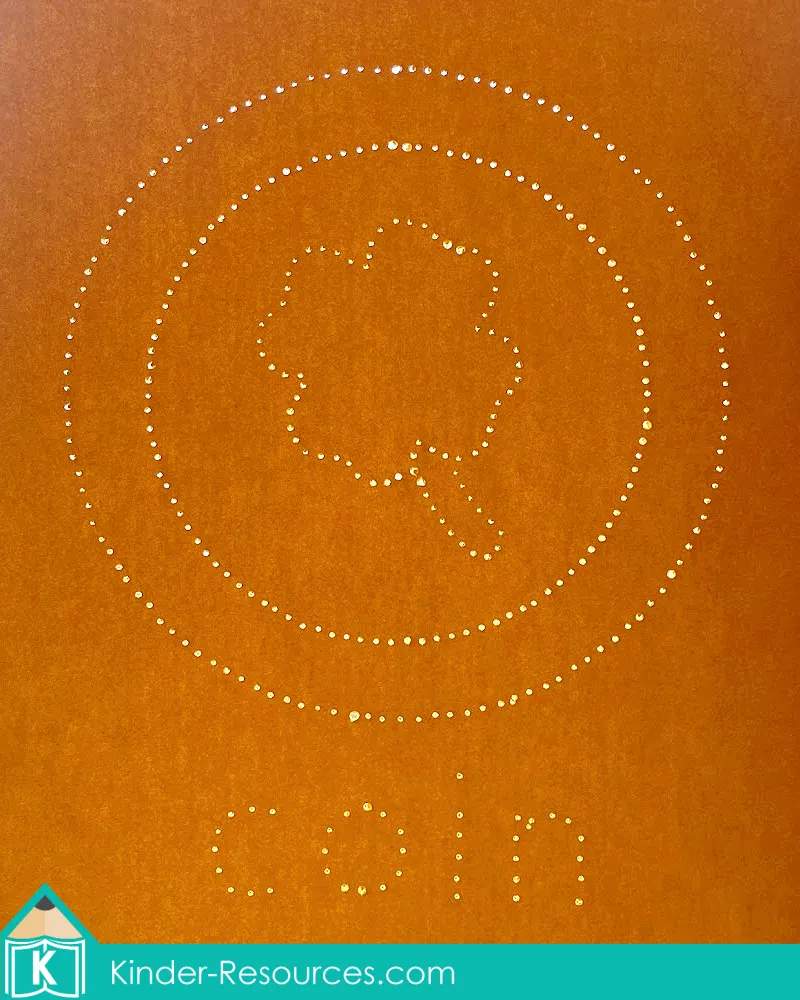
Pokey Pin Pictures for Precision
Pokey pin pages require children to press a push pin through marked dots while placed on a foam mat. This builds precise hand control and strengthens the small muscles used for writing.
This activity also improves focus and patience.
Tip: Always model safety procedures and supervise closely.
Sequence and Trace Pages for Directionality
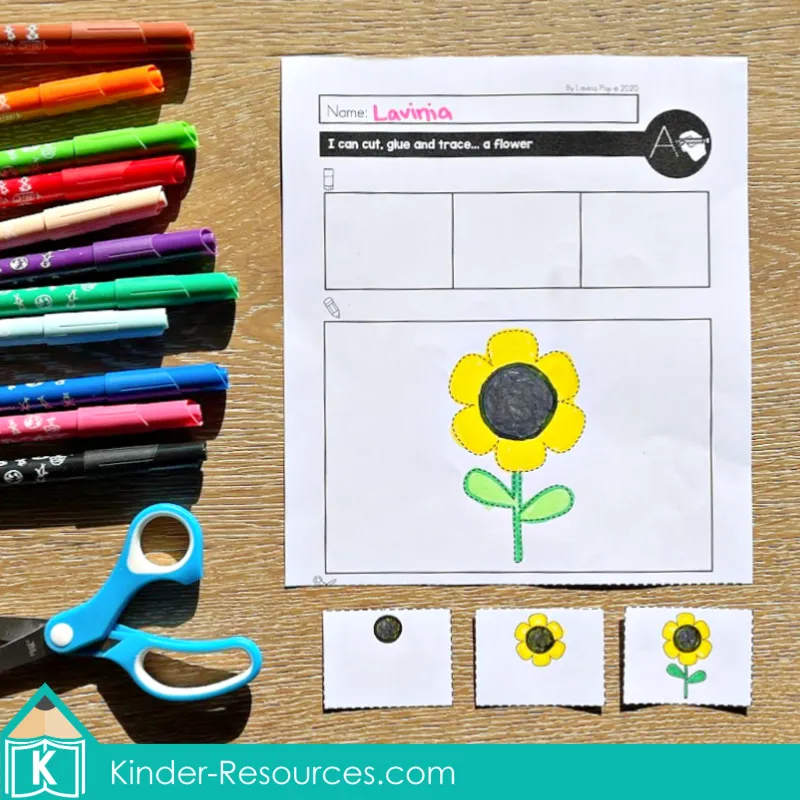
Students cut out pictures, glue them in the correct order, trace the image, and color it. This multi step task strengthens fine motor skills while also building sequencing and visual discrimination.
Tracing reinforces pre writing strokes and controlled movement.
Tip: Provide pre cut pieces for younger learners who need extra support.
Lacing Cards for Coordination
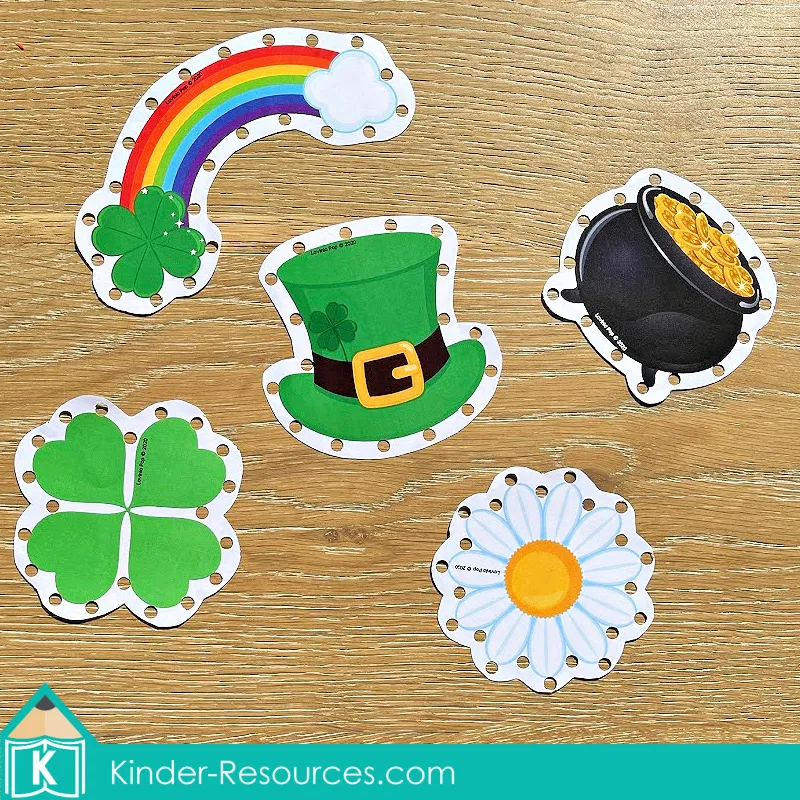
Lacing cards are excellent for developing hand eye coordination and strengthening finger control. Students thread a shoelace through the holes to create the picture outline.
This builds endurance and bilateral coordination.
Tip: Use plastic tipped laces for easier threading.
Pattern Copy Cards with Beads
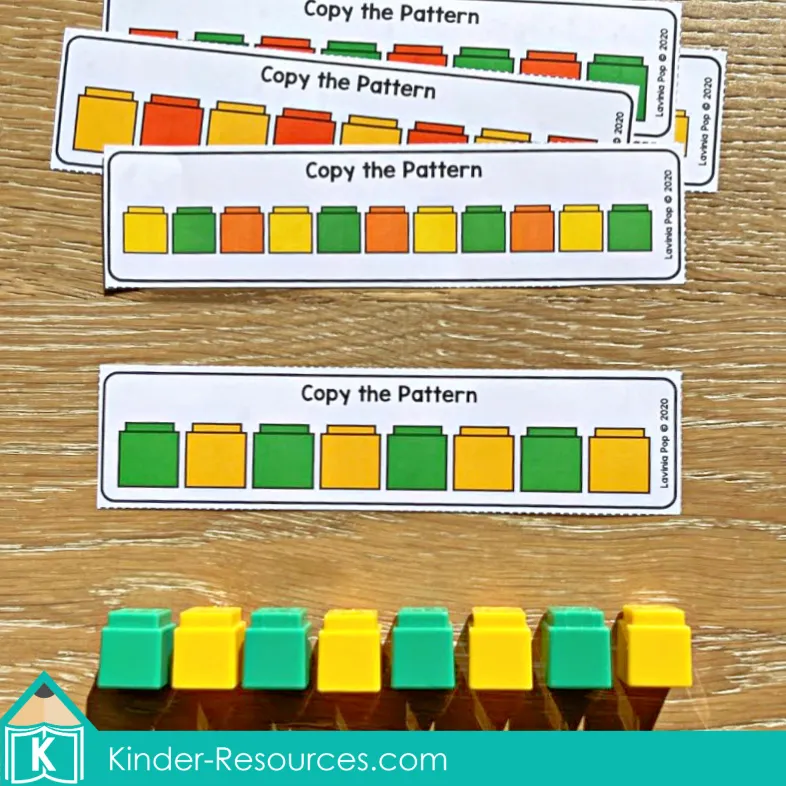
Students copy patterns using beads and pipe cleaners. This strengthens pincer grasp while reinforcing early math patterning skills.
The repetitive motion builds stamina and coordination.
Tip: Start with simple AB patterns and increase complexity.
Mazes for Control and Focus
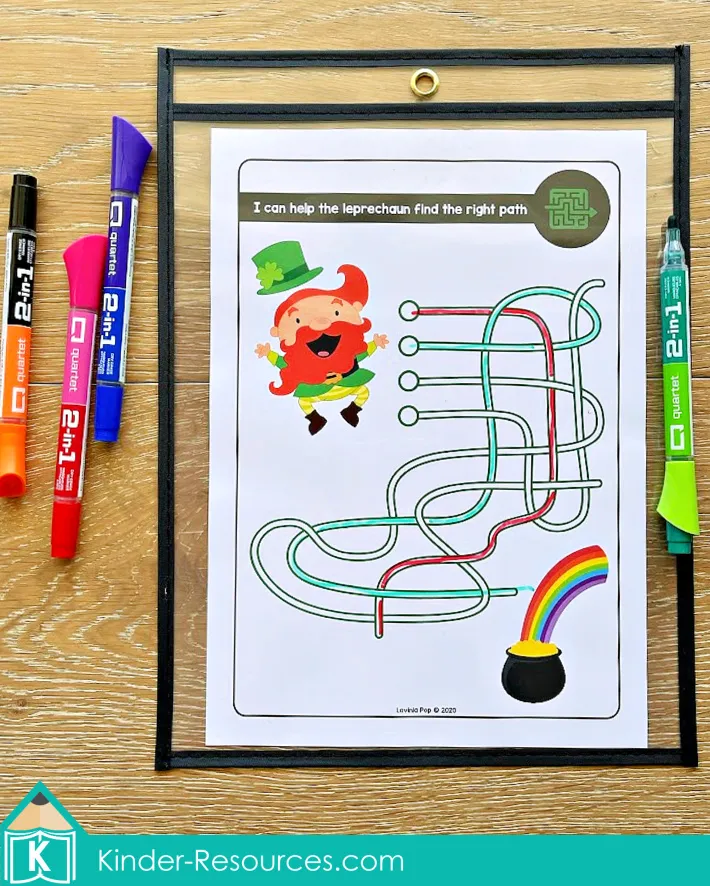
Tracing through mazes using an erasable marker improves controlled movement and visual tracking. Mazes are great for quiet focus during morning tubs.
Tip: Laminate for repeated use.
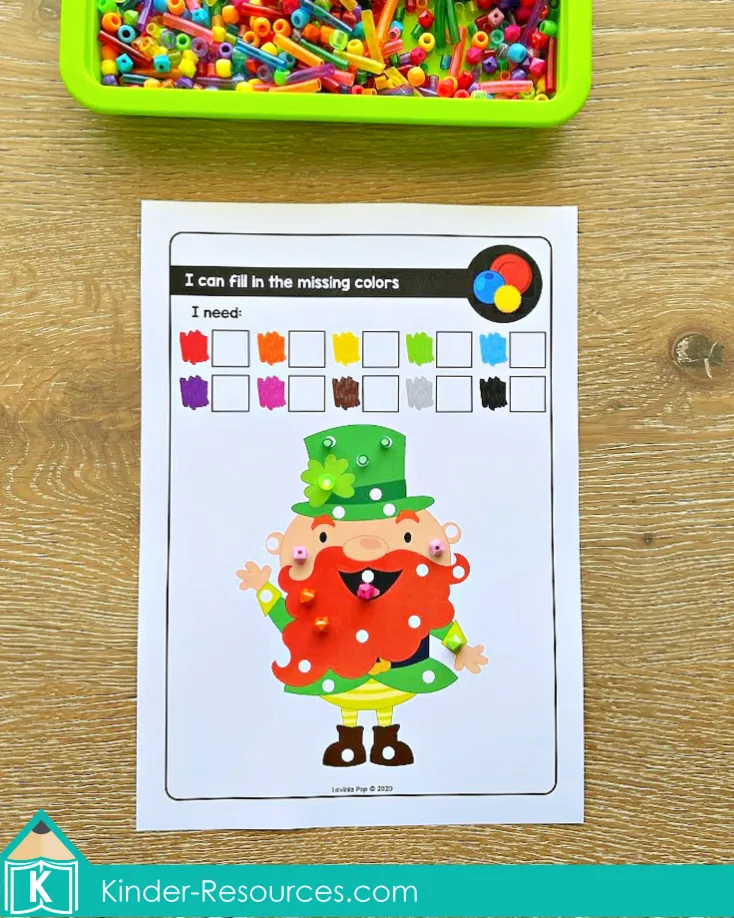
Missing Color Pictures with Tweezers
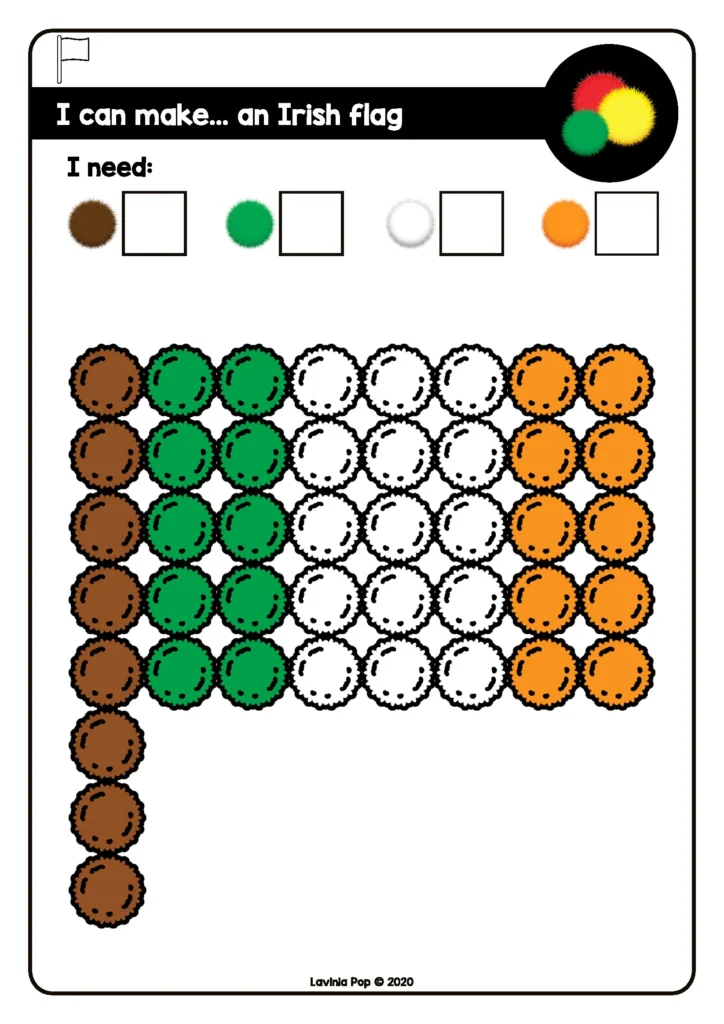
Children use small objects like pom poms or beads to cover blank circles. Using tweezers adds an extra fine motor challenge and builds finger strength.
Tip: This activity works well in small trays to prevent rolling pieces.
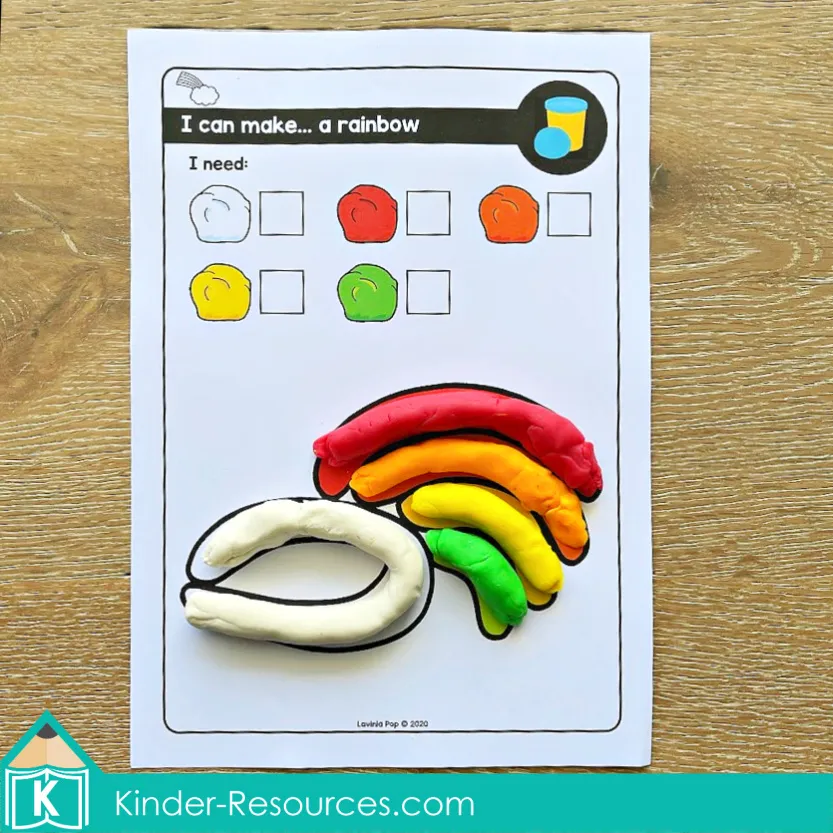
Play Dough Picture Mats
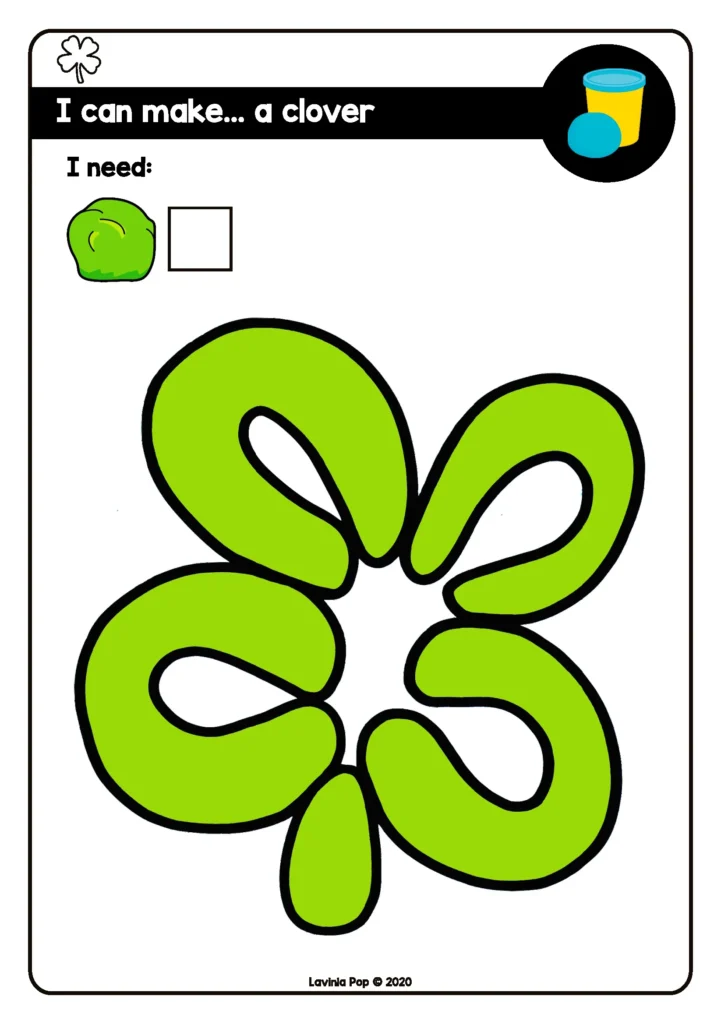
Rolling play dough into “snakes” and forming shapes strengthens hand muscles and improves finger isolation. These March themed mats make creative play purposeful.
Tip: Encourage children to roll using both hands to build strength evenly.
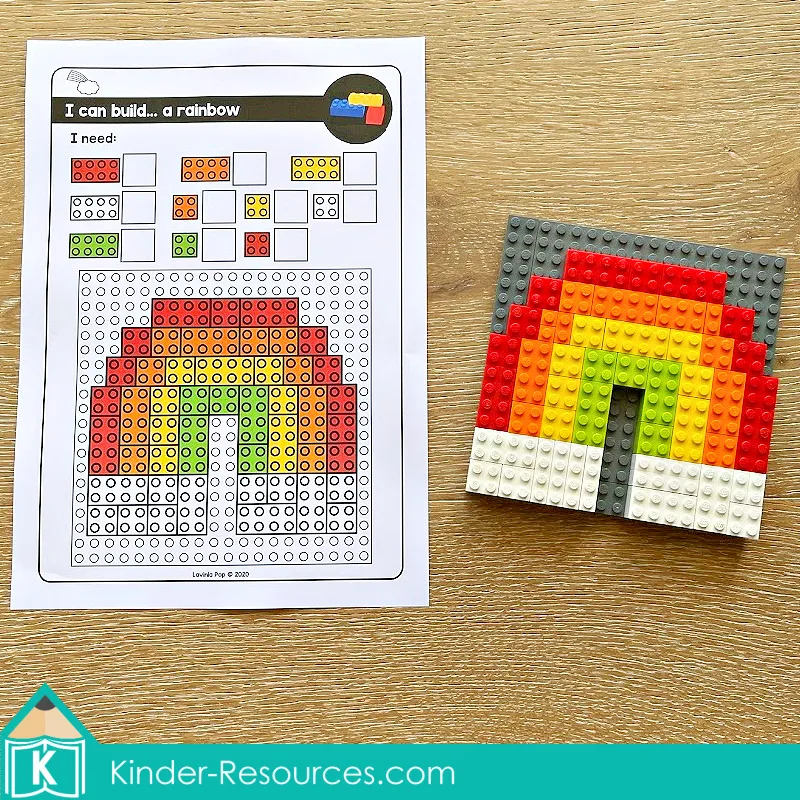
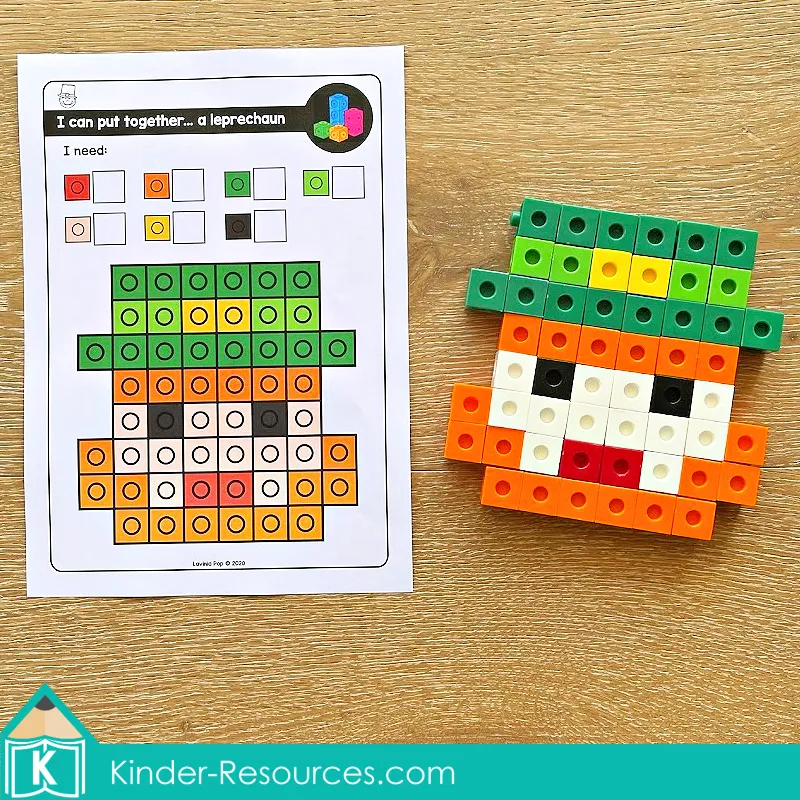
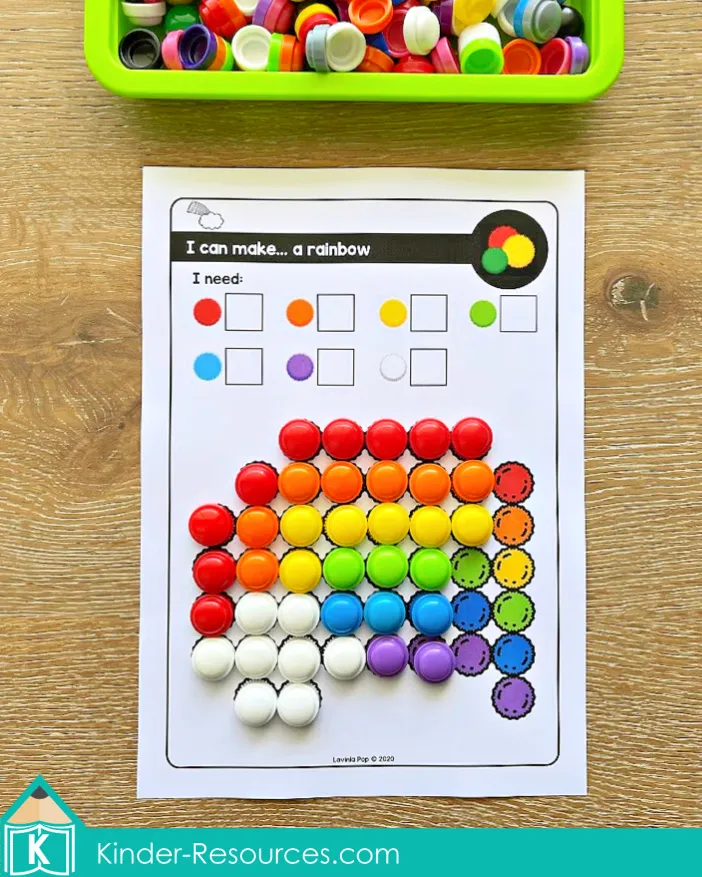
Building Brick and Counting Cube Pictures
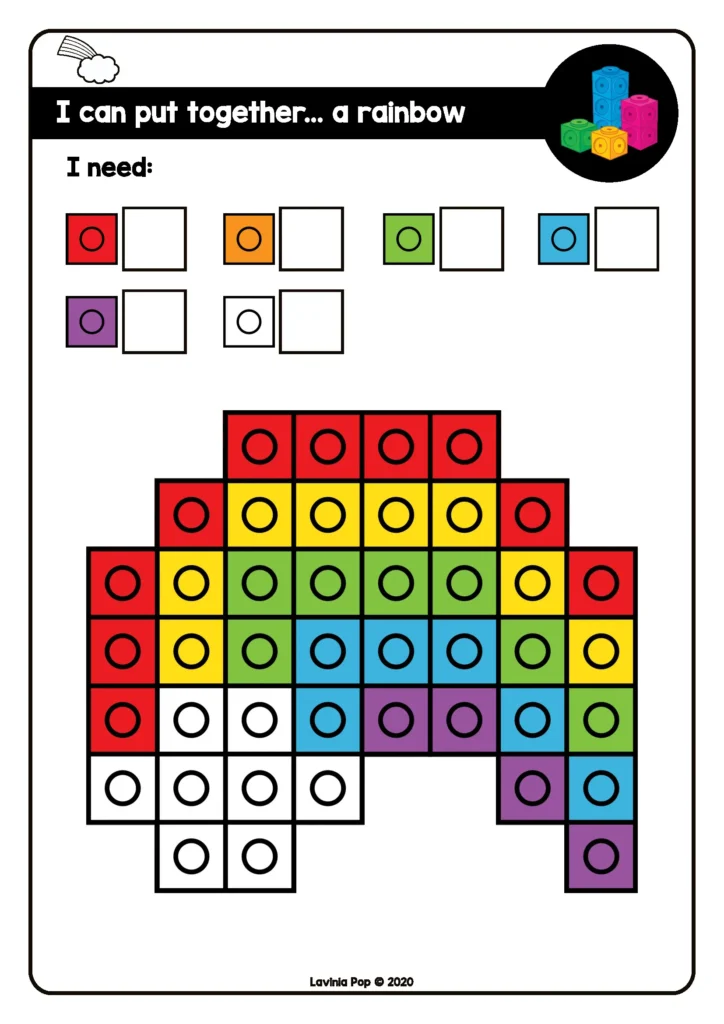
Students recreate the picture using bricks or snap cubes. This builds spatial awareness, hand control, and problem solving skills.
Tip: Store pieces in labeled containers for quick setup.
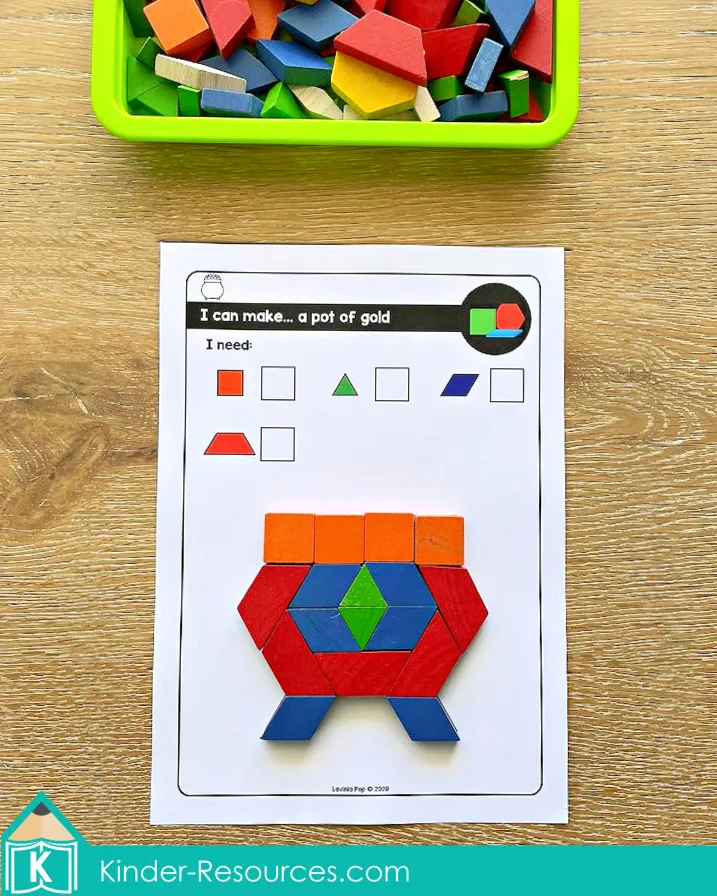
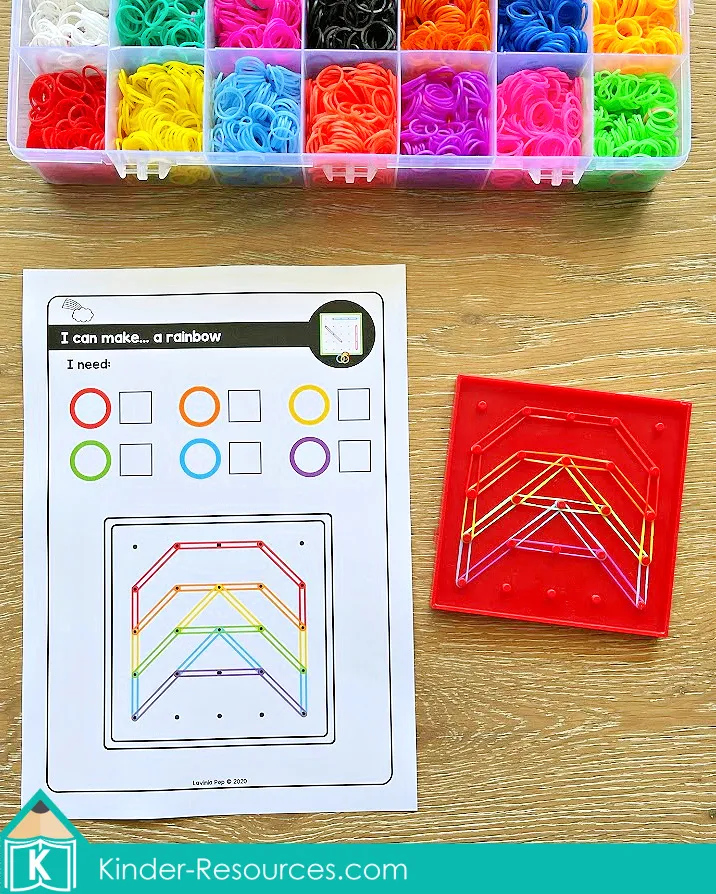
Pattern Block, Pom Pom, and Geoboard Pictures
These manipulative based task cards allow children to recreate images using pattern blocks, pom poms, or elastic bands on a geoboard. Each variation strengthens coordination in slightly different ways.
Rotating manipulatives keeps engagement high throughout March.
Supplies Needed for Fine Motor Printable Activities for March
Most supplies are common classroom materials you likely already have on hand.
You may need:
- Hole puncher
- Scissors
- Dot markers or round stickers
- Cotton swabs and washable paint
- Large push pins and thick foam mat
- Shoelaces or lacing thread
- Beads and pipe cleaners
- Pom poms or small colored objects
- Play dough
- Pattern blocks
- Counting cubes or snap cubes
- Building bricks
- 5×5 geoboard and elastic bands
- Laminator and dry erase markers for reusable task cards
Tip: Store each activity in a labeled bin with its matching supplies for quick morning tub rotation.
How to Organize March Morning Tubs
To keep things simple, choose 3 to 4 tubs per week and rotate them. Store each activity in a labeled bin with required supplies. Print the included photo direction cards and place them inside the bin to promote independence.
This setup makes your Fine Motor Printable Activities for March easy to manage and stress free.
Troubleshooting Tips
- If students rush, remind them that fine motor work is about control, not speed.
- If hands tire quickly, shorten the activity time and build stamina gradually.
- If materials roll away, use trays to contain small pieces.
Quick Checklist for Fine Motor Growth
- Builds hand strength
- Improves scissor control
- Supports pencil grip
- Strengthens bilateral coordination
- Encourages independence
- Reinforces patterning and sequencing
Purchase the Fine Motor Printable Activities for March
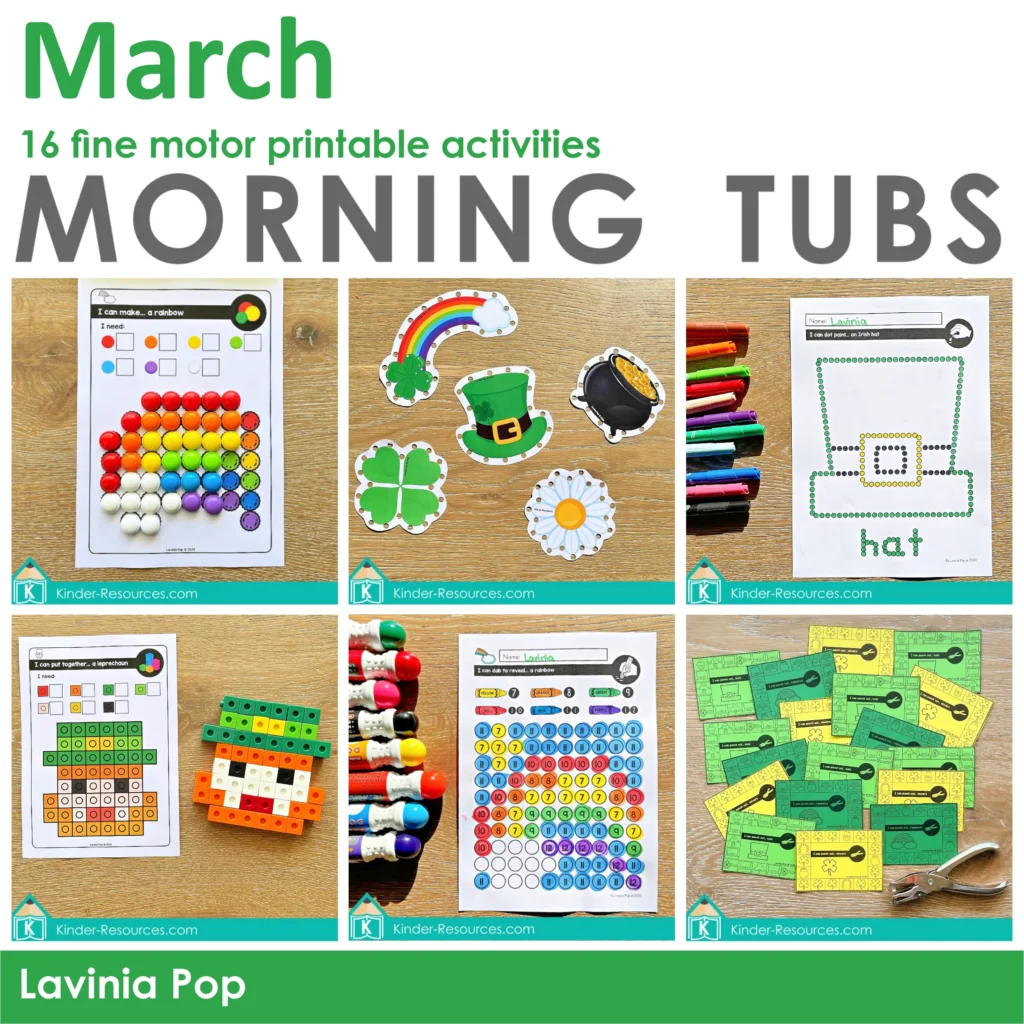
If you would like to purchase the complete 74-page Fine Motor Activities for March Morning Tubs | Bins packet, click on one of the stores links below.


You may also like…

Thank you!
I’m always looking for fun educational ways to keep my students entertained in the mornings.