
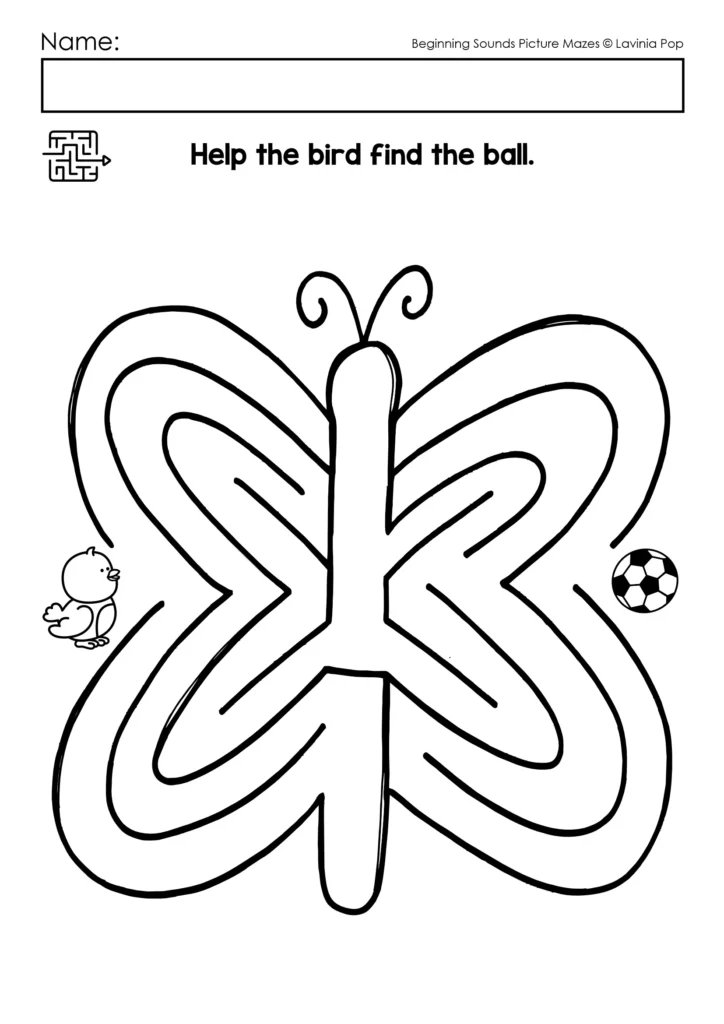
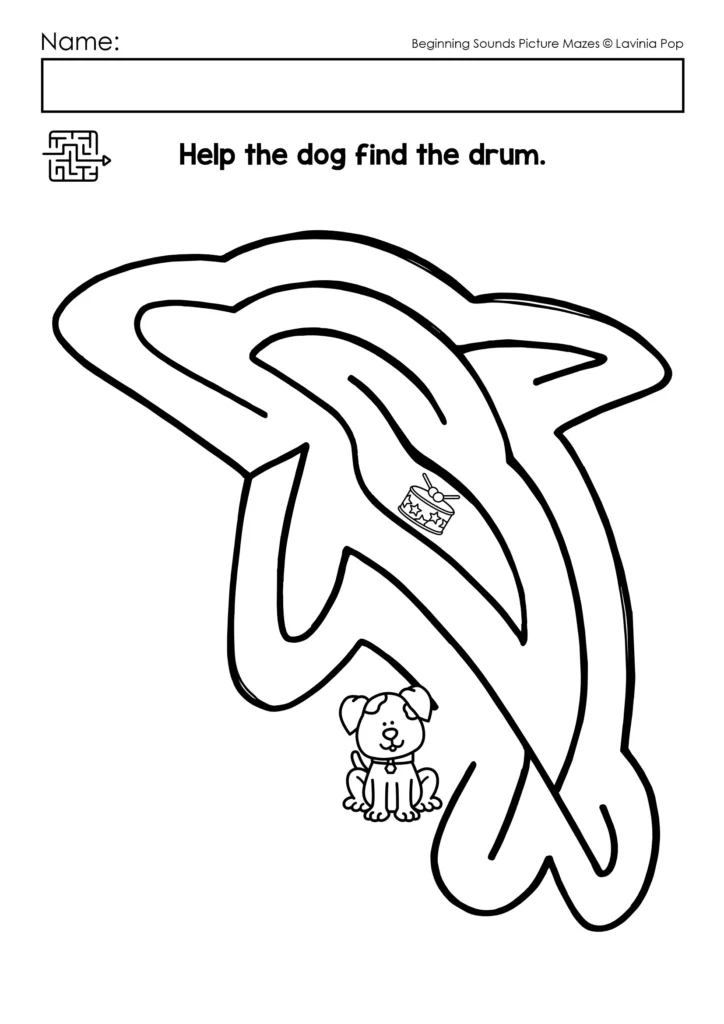
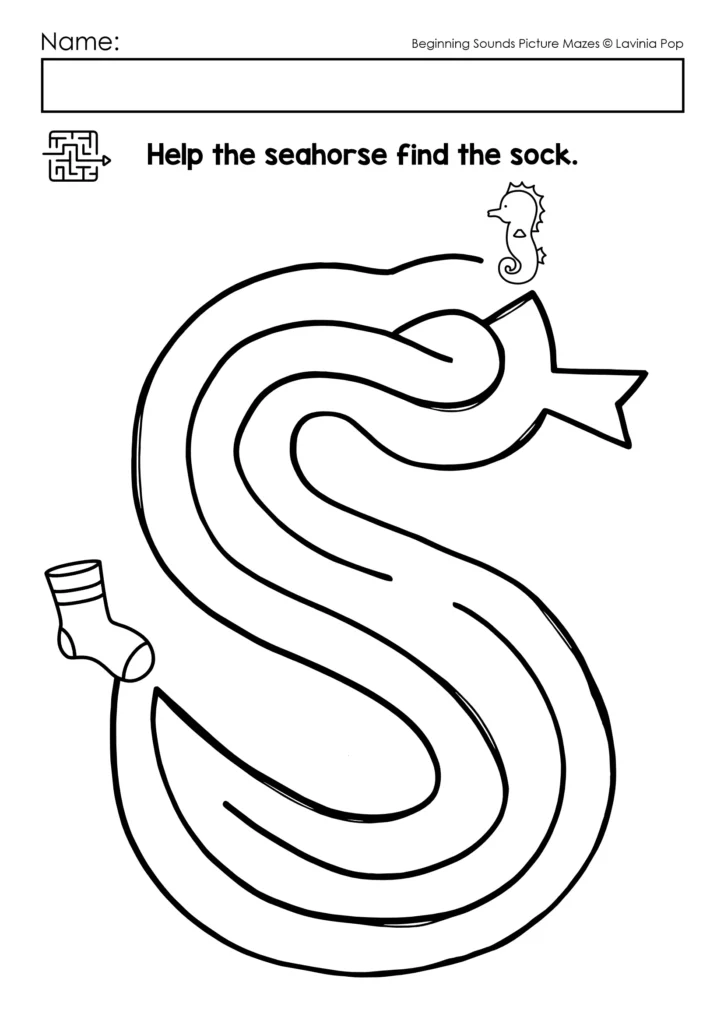
Beginning Sounds Picture Mazes are a fun and engaging way to help young learners build early phonics skills while strengthening fine motor development. These simple maze activities give children meaningful practice with beginning sounds as they trace a path to match each picture.
If you are looking for a hands on way to combine phonics, fine motor, and pencil control, these mazes are a perfect fit for preschool and kindergarten learners.
FREE Beginning Sounds Picture Mazes Sample
You can try a few Beginning Sounds Picture Mazes for free before using the full set in your classroom or at home. These sample pages will give you a clear idea of how the activities work and how easily they can be adapted for different learners.

Why Use Beginning Sounds Picture Mazes?
Beginning sounds are one of the first and most important phonics skills children learn. These mazes make that practice interactive and purposeful.
Instead of simply identifying a sound, children:
- Follow a path
- Stay within boundaries
- Make decisions based on sounds
This means they are building multiple skills at the same time:
- Letter sound recognition
- Visual tracking
- Fine motor control
- Focus and attention
How Beginning Sounds Picture Mazes Work
Each page focuses on one letter and sound. Children are given a simple instruction such as:
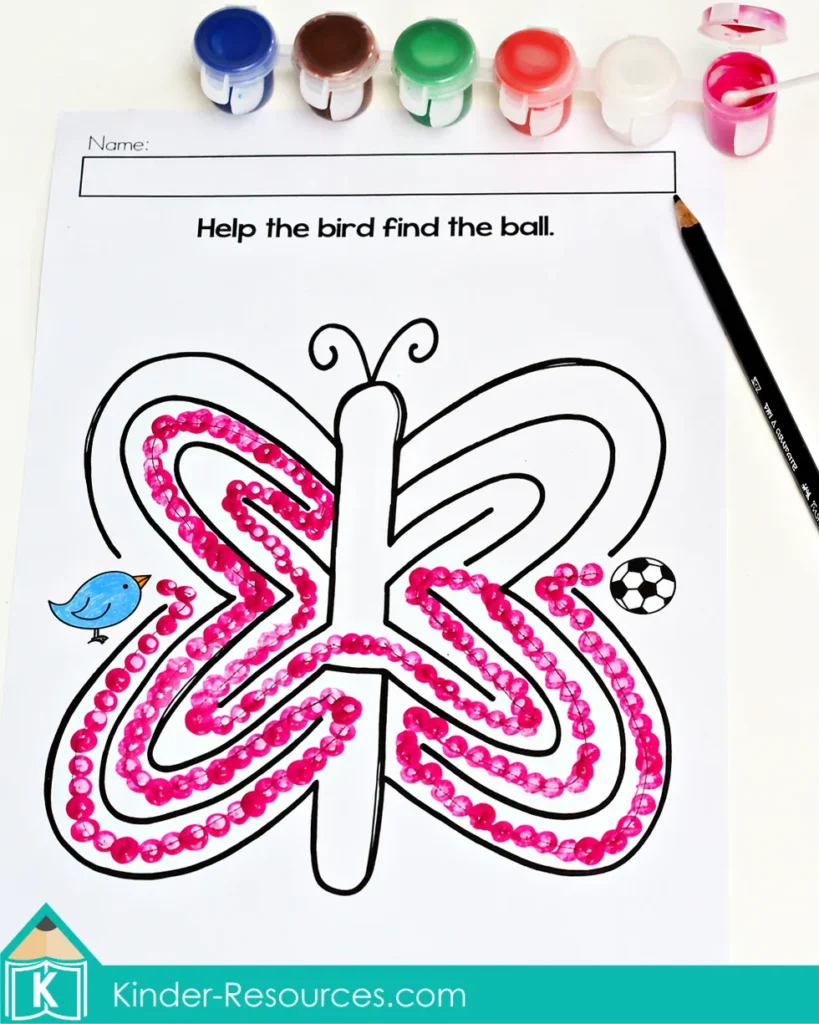
Help the bird find the ball.
To complete the maze, children must:
- Say the beginning sound
- Identify the correct object
- Trace the path carefully to reach it
This keeps the activity simple, clear, and effective for young learners.
Hands On Ways to Use These Mazes
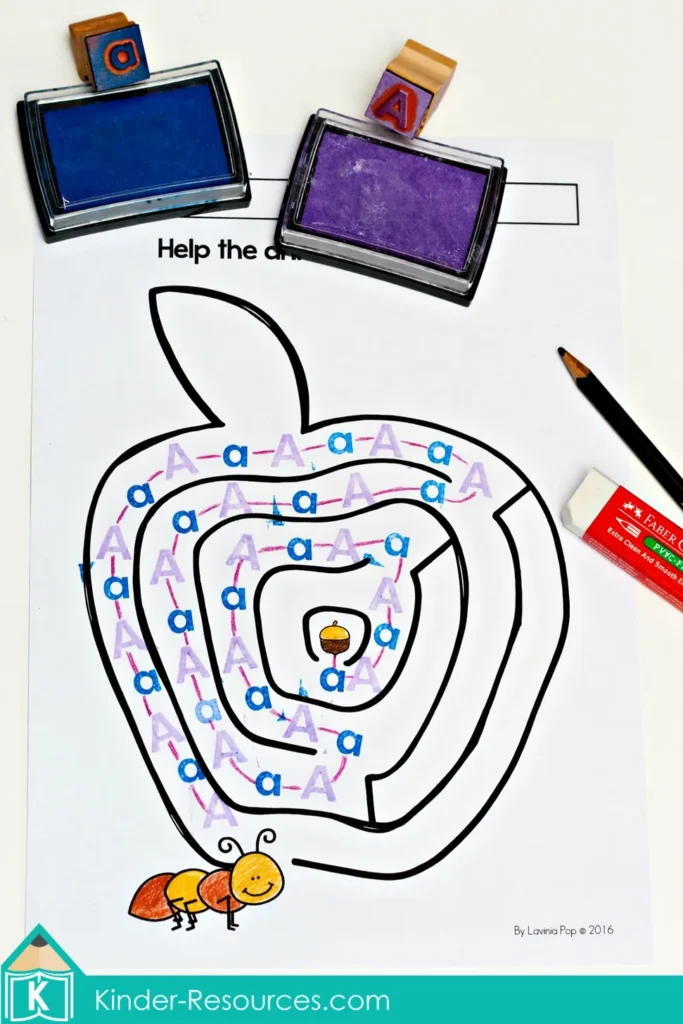
One of the best things about these beginning sounds picture mazes is how flexible they are. While children can complete them with a pencil, adding different materials makes the activity more engaging and extends learning time.
Here are some easy ideas:
- Use stickers or dot markers to follow the path
- Trace with q tips dipped in paint
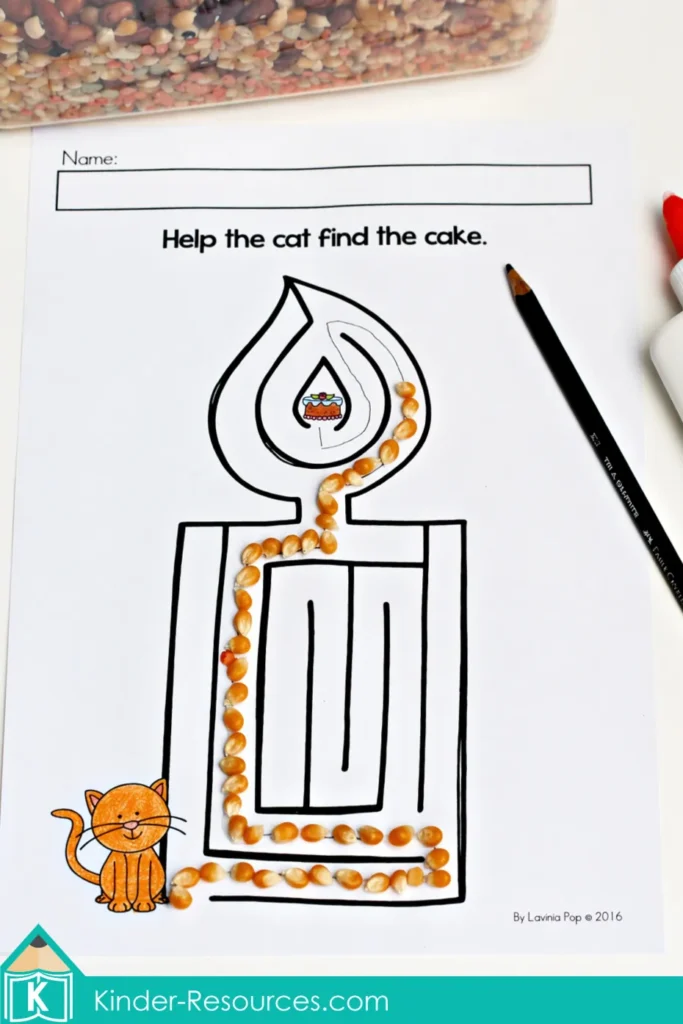
- Glue small items along the path such as:
- corn
- buttons
- pom poms
- Use finger tracing first, then move to pencil control
These simple changes turn a quick worksheet into a rich, hands on learning experience.
Alphabet Maze Ideas for Each Letter
You can also match materials to each beginning sound to reinforce learning even further:
- A – apple seeds
- B – buttons
- C – corn
- D – dot stickers
- E – egg shells
- F – feathers
- G – glitter
- H – heart stamps
- I – ice cube painting
- J – jewels
- K – kite stickers
- L – leaves
- M – marshmallows
- N – number stickers
- O – orange seeds
- P – pom poms
- Q – small paper quilt squares
- R – ribbon
- S – star stickers
- T – tissue paper
- U – arrow stickers
- V – violet paint
- W – watermelon seeds
- X – white crayon and paint reveal
- Y – yarn
- Z – zig zag lines
Troubleshooting Tips
If children are rushing or struggling, a few simple adjustments can make a big difference.
Encourage children to:
- Trace with their finger first before using a tool
- Say the sound out loud as they move along the path
- Slow down and stay inside the lines
If needed, model one example together before independent work.
Adjusting for Different Age Groups
These mazes can easily be adapted depending on ability level.
For younger learners:
- Focus only on identifying the correct picture
- Allow finger tracing or larger tools
For older learners:
- Ask them to say the full word and sound
- Have them write the letter after completing the maze
- Use multiple materials for added challenge
Quick Checklist for Use
- Print pages (black and white for easy prep)
- Model one example together
- Choose materials (pencil, paint, stickers, etc.)
- Encourage sound repetition
- Use in centers, morning work, or small groups
Final Thoughts
Beginning Sounds Picture Mazes are a simple but powerful way to build early literacy skills. By combining phonics and fine motor practice, these activities help children stay engaged while developing important foundational skills.
They are easy to prepare, flexible to use, and perfect for both classroom and home learning.
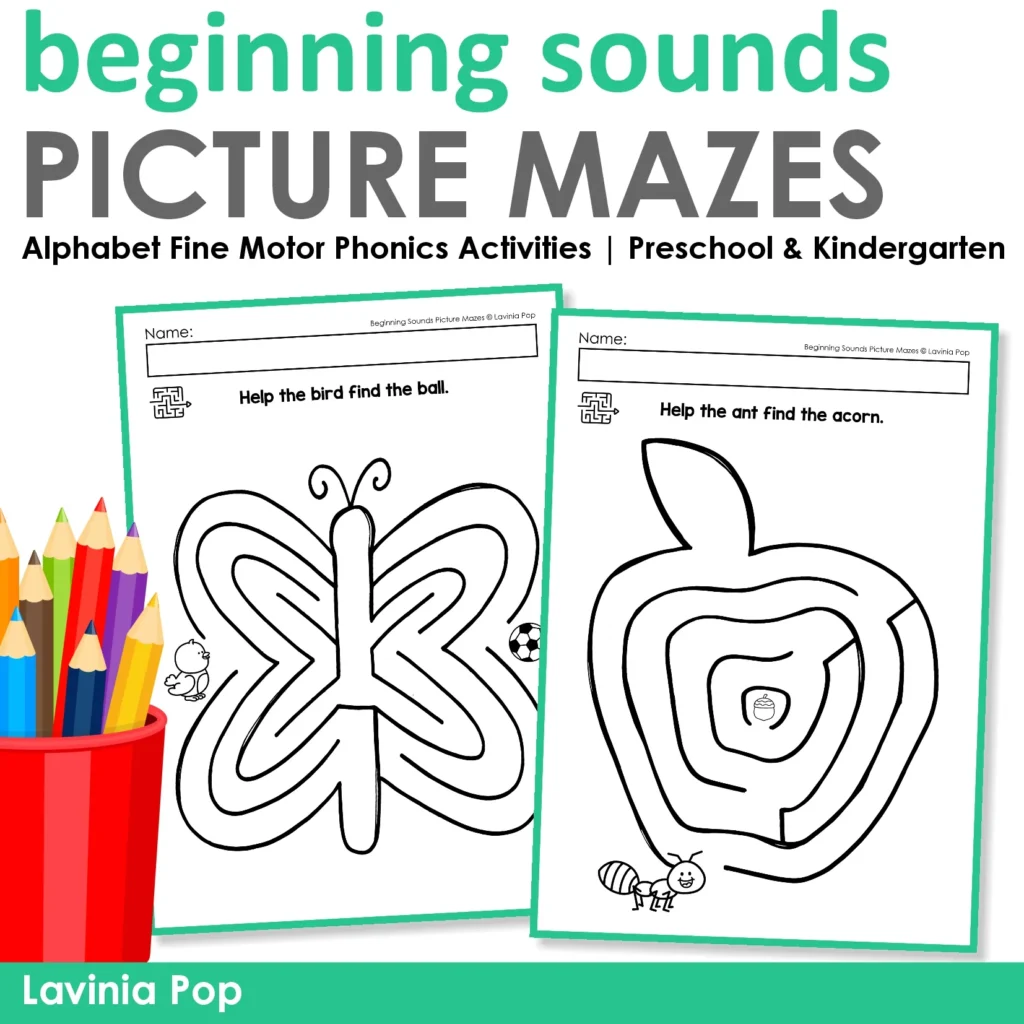
Purchase the Beginning Sounds Picture Mazes Resource
If you would like the full set of Beginning Sounds Picture Mazes, you can find it here:

You might also like
E super Lavinia. Multumesc
I’m so excited to use mazes with my preschoolers. GREAT idea!
Buna Lavinia! Sunt foarte reusite materialele tale. Poate mai faci si in romana, free sau nu.
Multumim!
Looks fantastic