
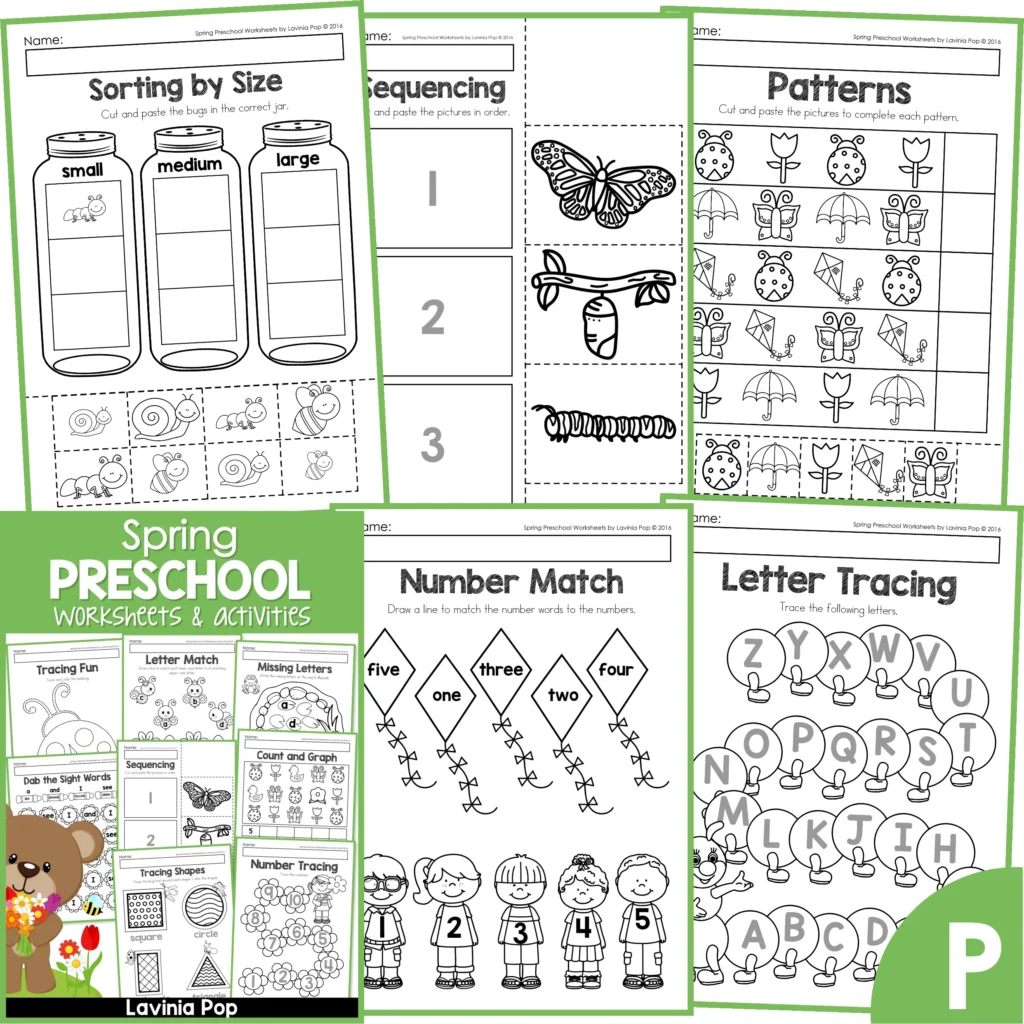
These Spring Preschool Worksheets and Activities help young learners practice early literacy, math, and fine motor skills through fun seasonal themes like flowers, insects, butterflies, and rain.
Spring is a wonderful time to introduce fresh learning activities in preschool and kindergarten classrooms. As the seasons change, children naturally become curious about nature, plants, and animals. Using seasonal materials helps keep students engaged while practicing important early learning skills.
The Spring Preschool Worksheets and Activities in this resource are simple to prepare and easy for young children to complete. Many of the pages include tracing, cut and paste activities, sorting tasks, and visual thinking activities that support hands on learning.
In this post, you will see how each activity works and how these Spring Preschool Worksheets and Activities can support learning during centers, morning work, small groups, or independent practice.
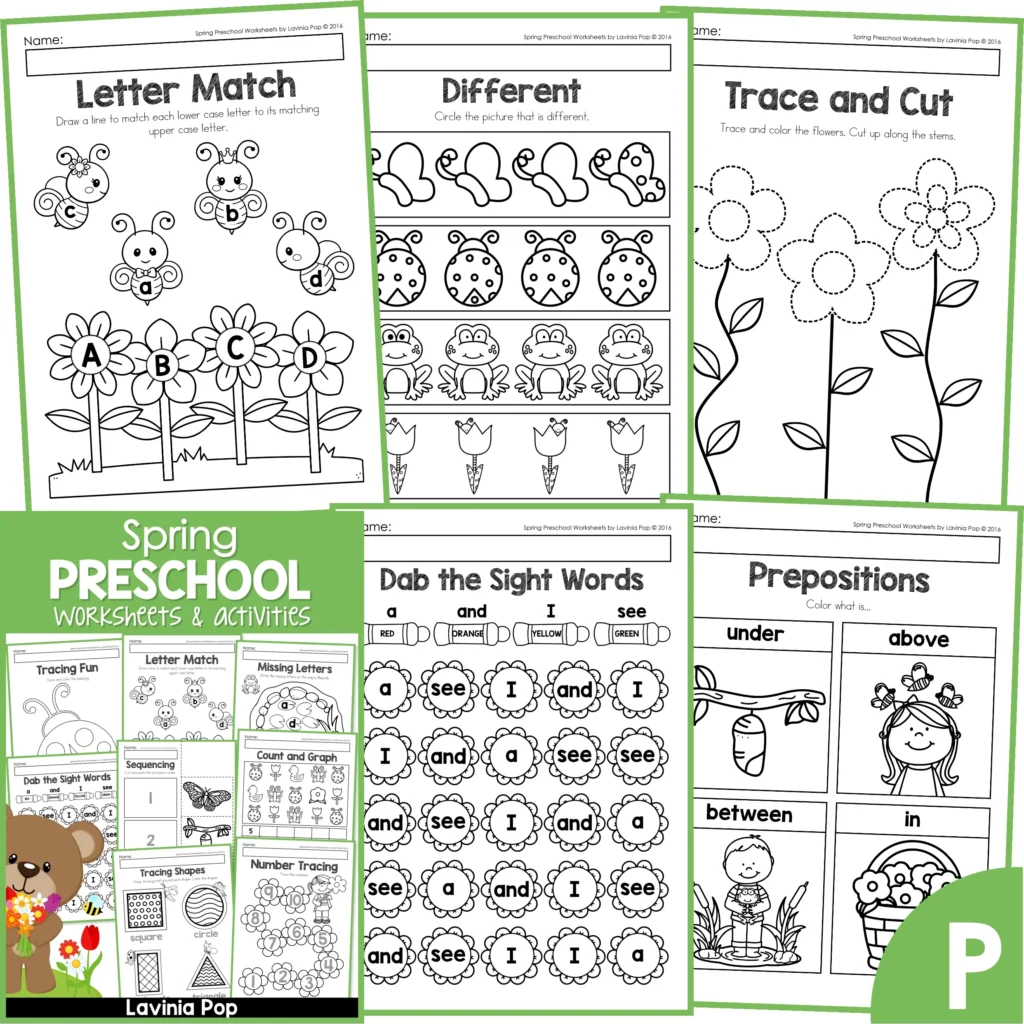
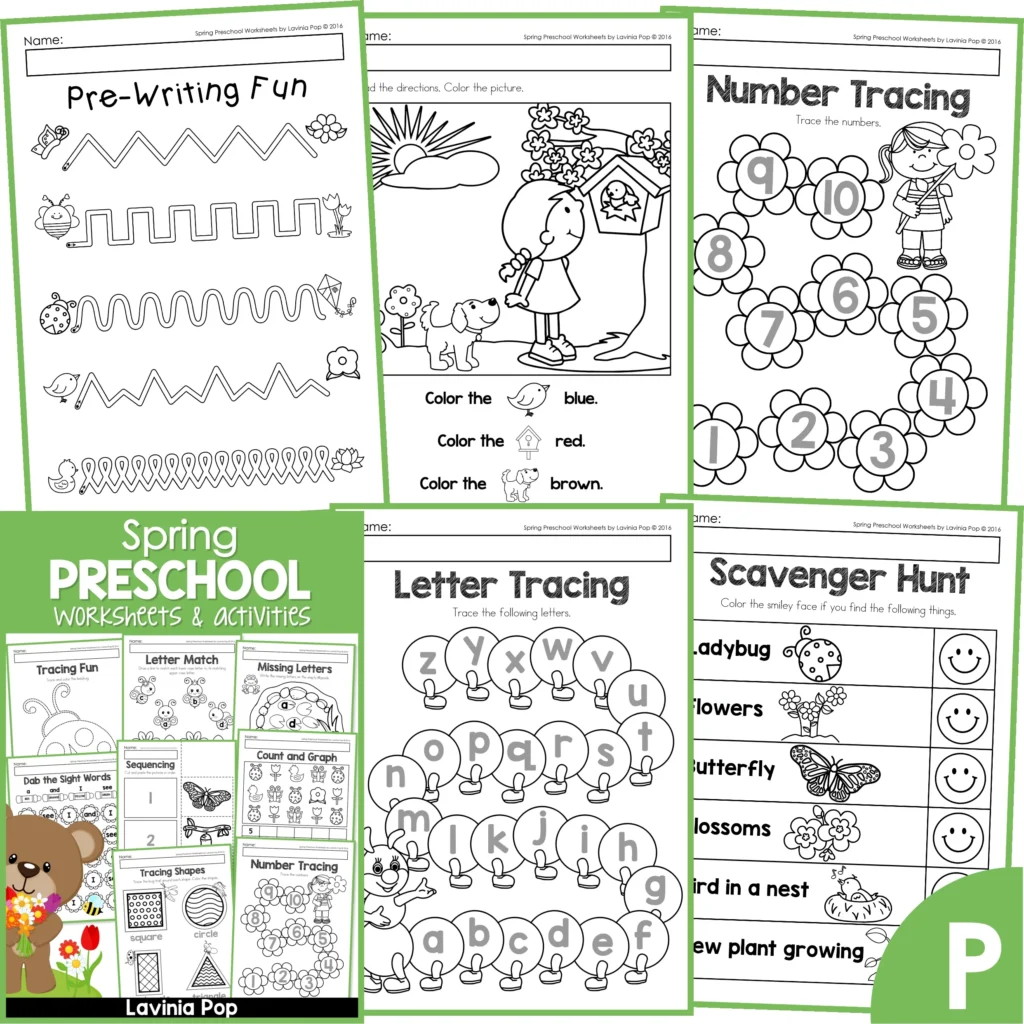
FREE Spring Preschool Worksheets and Activities Sample
If you would like to try some of the activities with your students, you can download a free sample pack from this resource. The free download includes several printable pages from the full Spring Preschool Worksheets and Activities packet so you can see how the activities work in your classroom.
Download the free sample here:

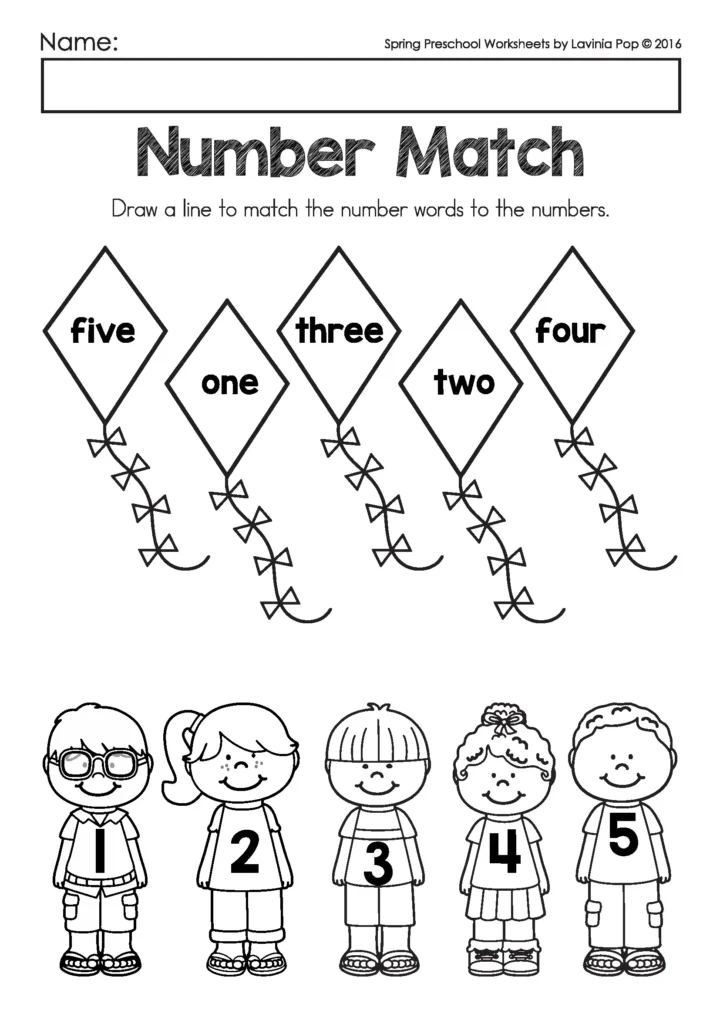
Fine Motor Spring Activities
Fine motor skills are essential for preschool learners because they help children develop the hand strength and coordination needed for writing. These Spring Preschool Worksheets and Activities include several tracing and maze activities that strengthen pencil control while keeping children engaged.
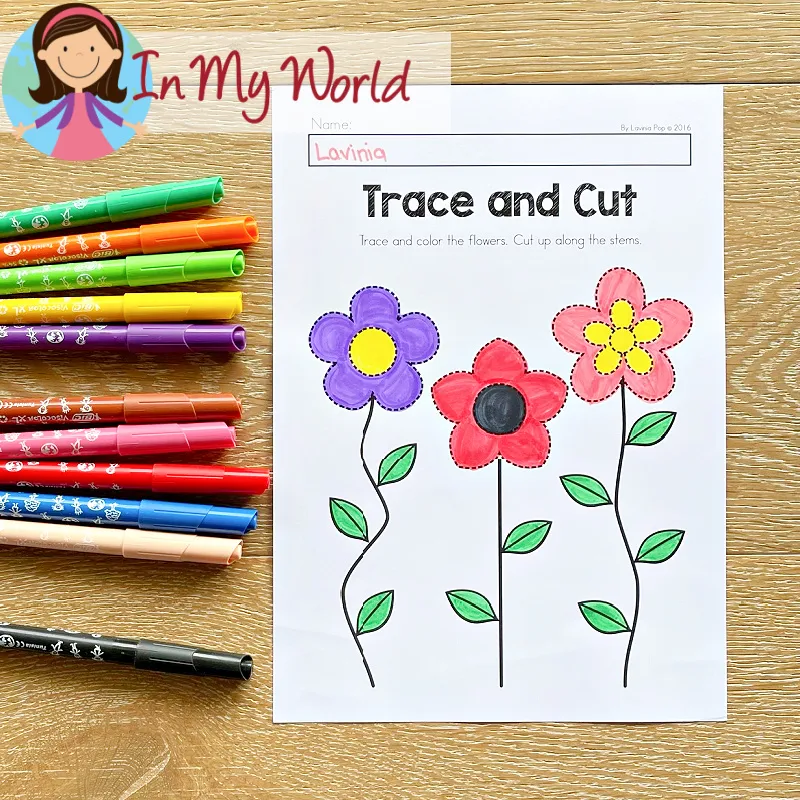
Flower Tracing and Cutting Practice
In this activity, children trace the flowers, color the picture, and then cut along the stems of each flower.
Tracing helps children practice controlled hand movements, while cutting along the stems strengthens scissor skills and hand coordination. Activities like this support the small muscle development needed for handwriting and other classroom tasks.
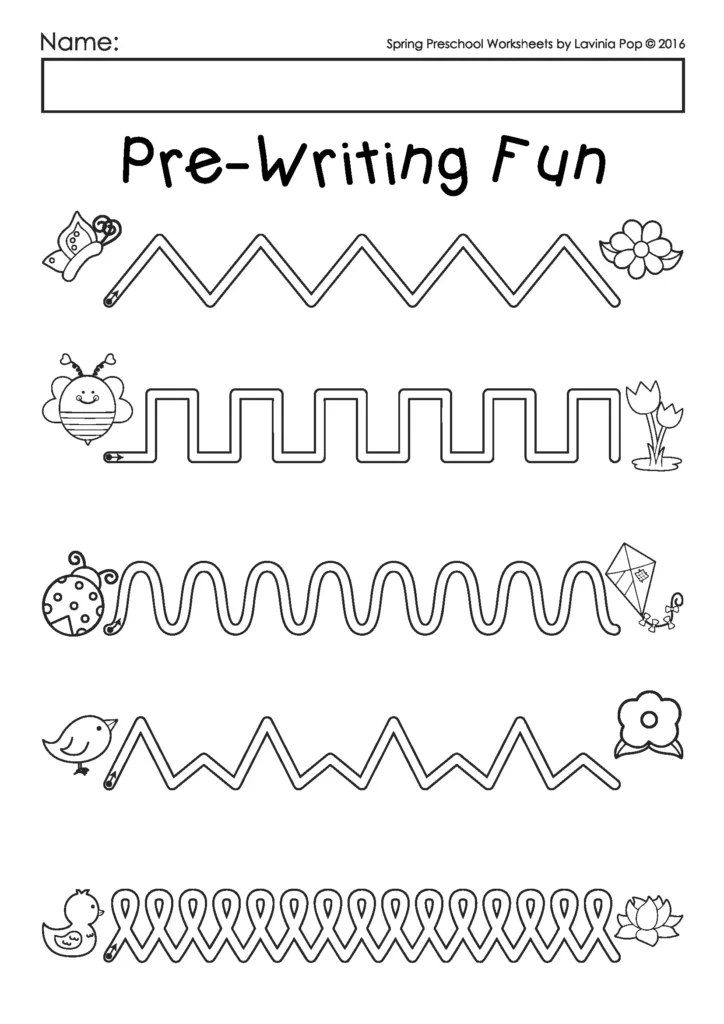
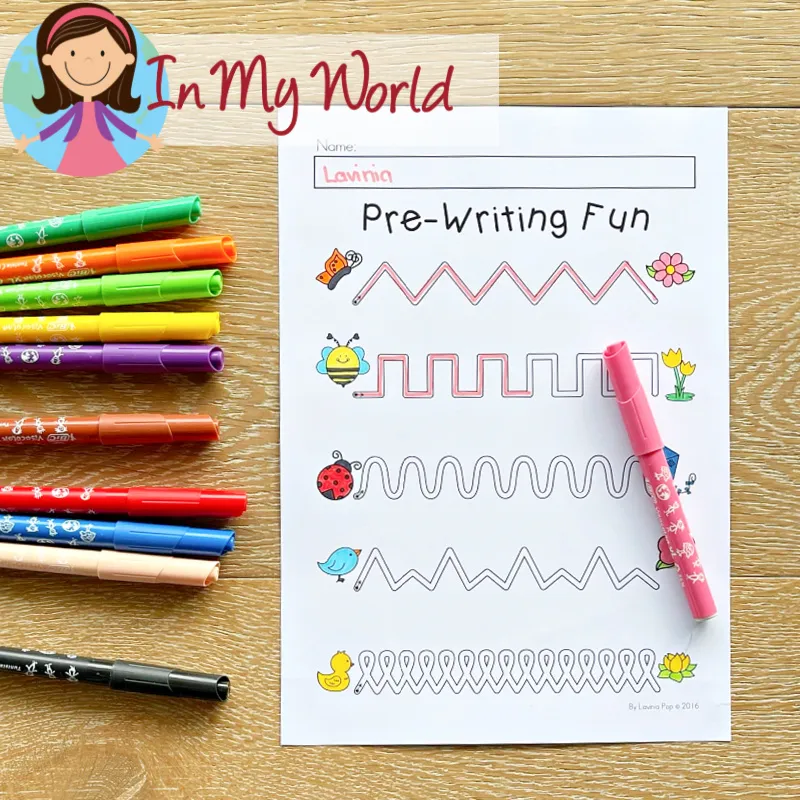
Spring Pre Writing Tracing Paths
Children trace along a variety of lines and pathways.
These types of tracing activities help preschoolers practice the movements needed for forming letters later on. They also improve visual tracking and hand control as children follow the paths from start to finish.
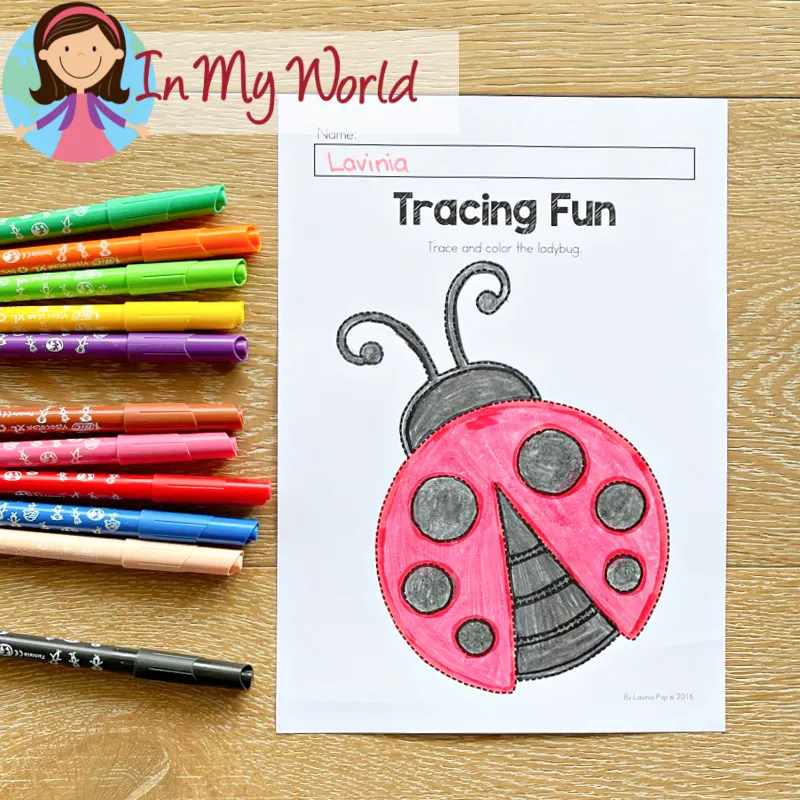
Ladybug Fine Motor Tracing
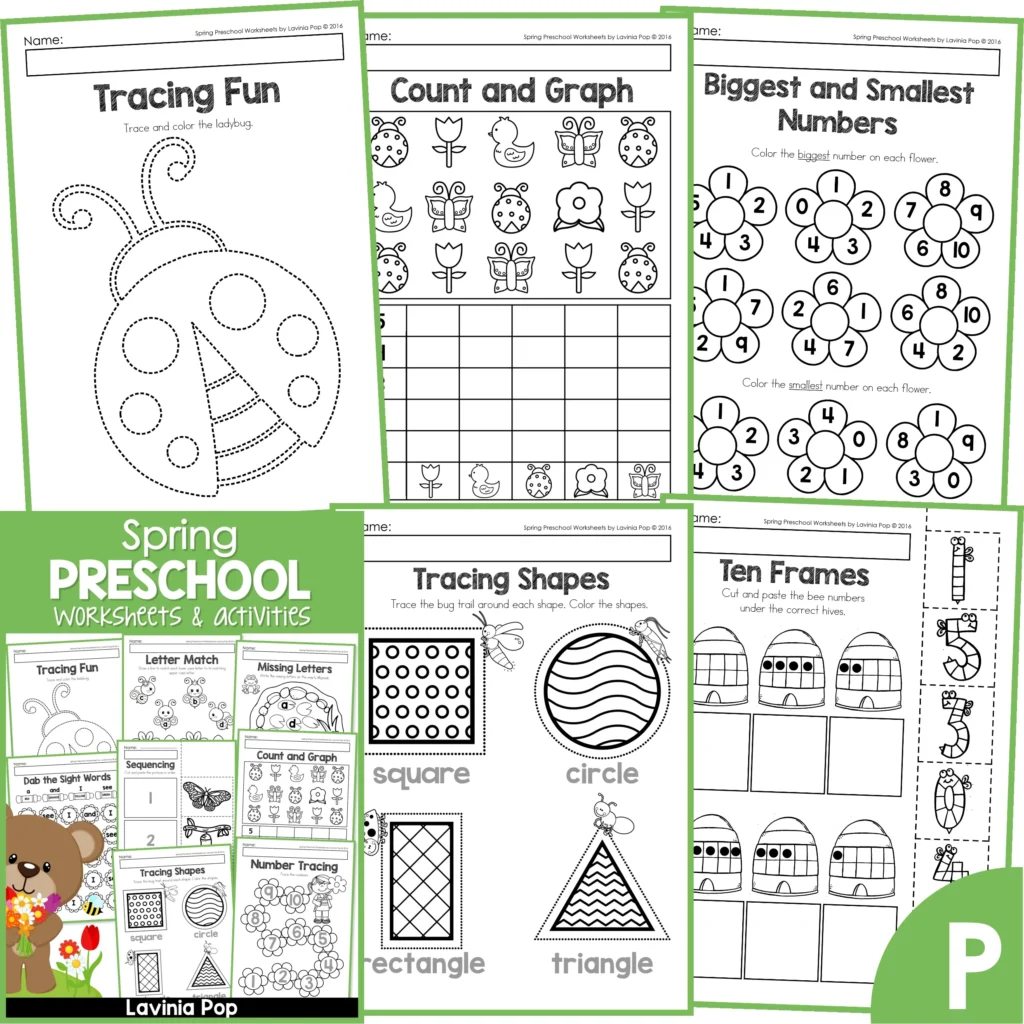
Children trace the outline of the ladybug and then color the picture.
Teachers can also extend the activity by having students trace the outline with glue and sprinkle glitter over it. This creates a textured tracing activity that strengthens fine motor control and adds an engaging sensory element.
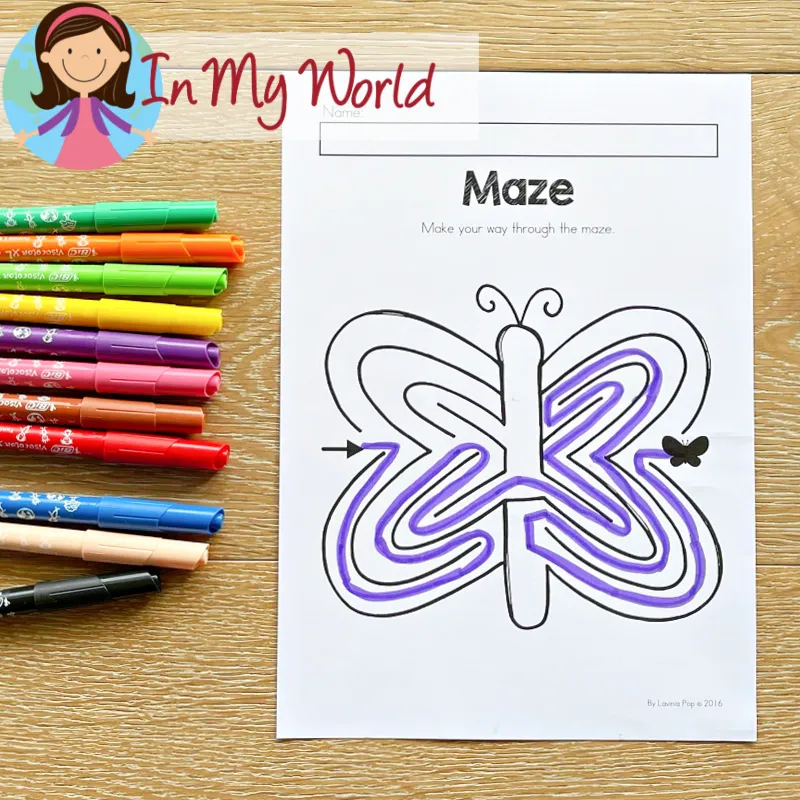
Butterfly and Umbrella Mazes
Children begin at the arrows and trace their way through the maze.
Maze activities encourage concentration and careful pencil control. They also help children develop problem solving skills as they figure out which path leads to the correct destination.
Spring Literacy Activities
These Spring Preschool Worksheets and Activities include a variety of early literacy skills such as letter recognition, rhyming, syllables, and sentence building. These foundational skills help children prepare for reading and writing.
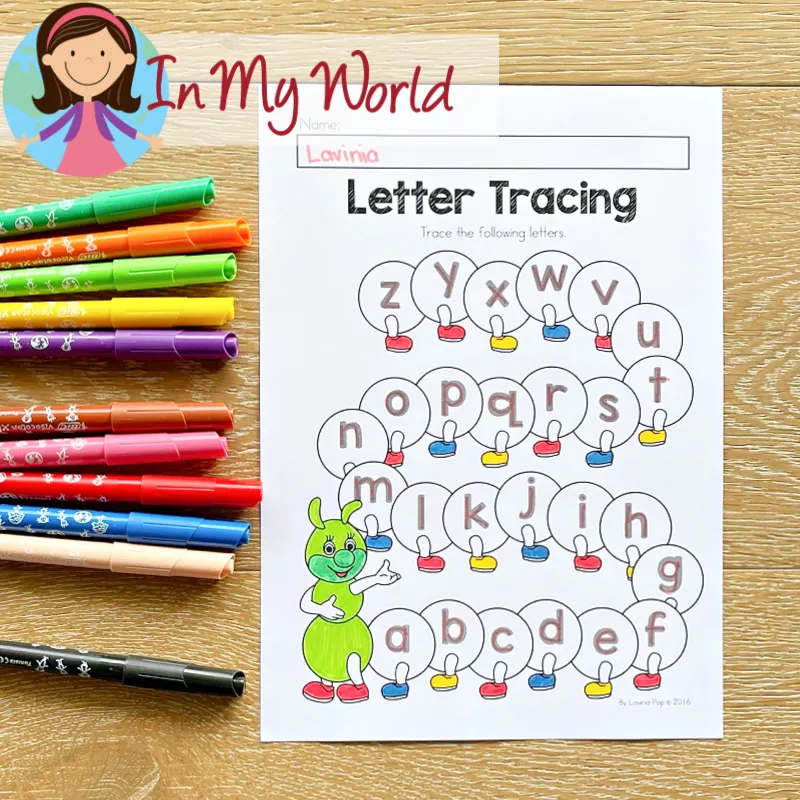
Caterpillar Letter Tracing
Children trace both upper case and lower case letters starting from the bottom of the page.
Tracing letters helps children become familiar with the shapes and formation of the alphabet. It also strengthens hand control while reinforcing letter recognition.
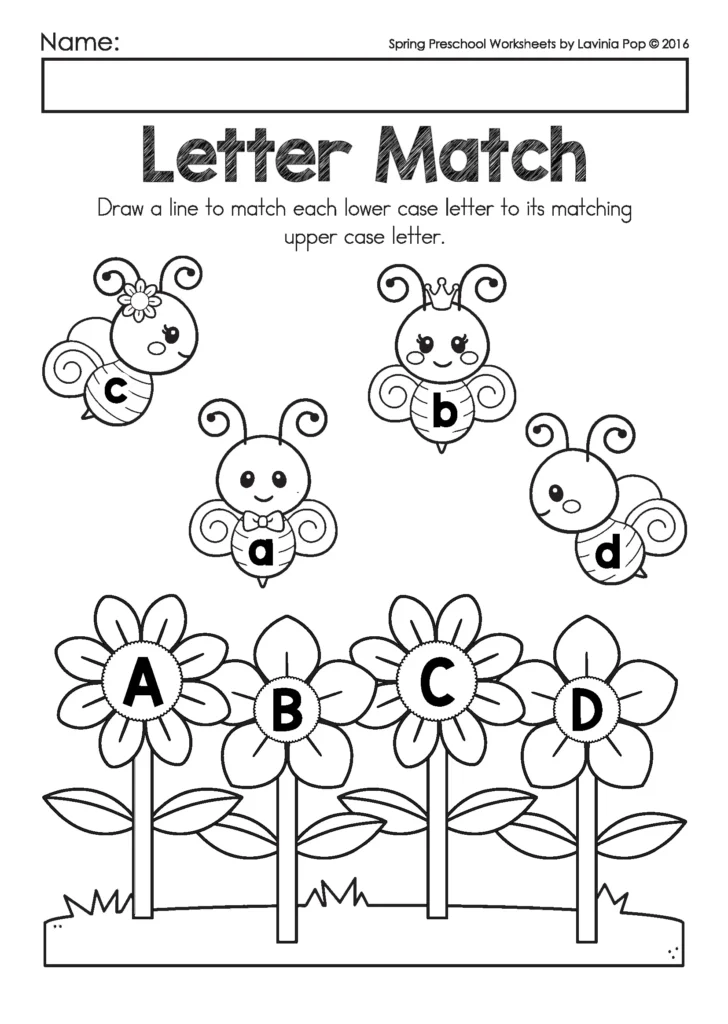
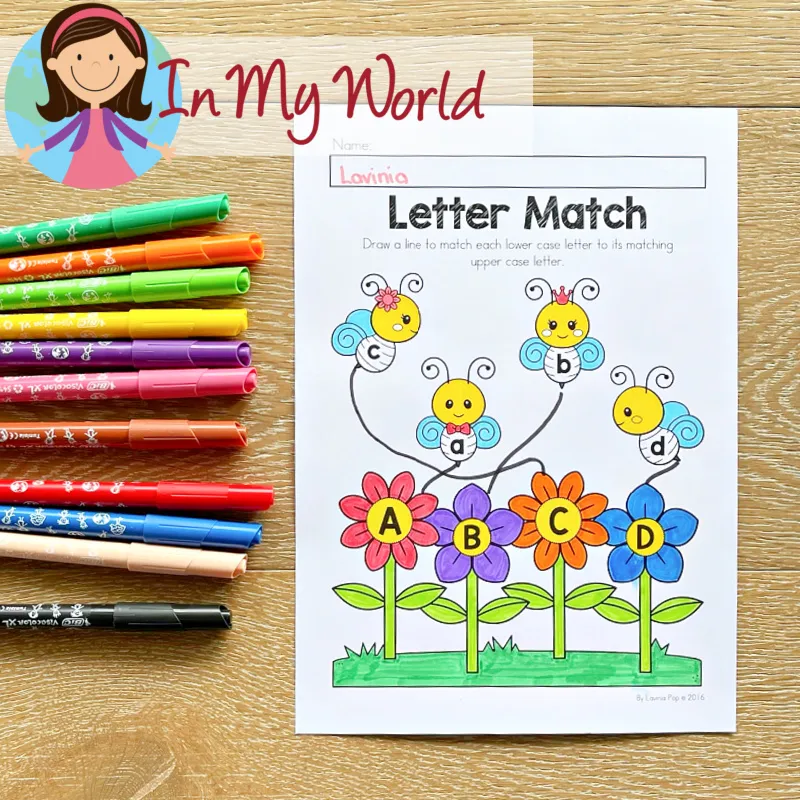
Bee and Flower Letter Match
In this activity, children draw a line from each bee to the matching flower.
Matching upper case and lower case letters strengthens alphabet knowledge and helps children understand that letters can appear in different forms while representing the same sound.
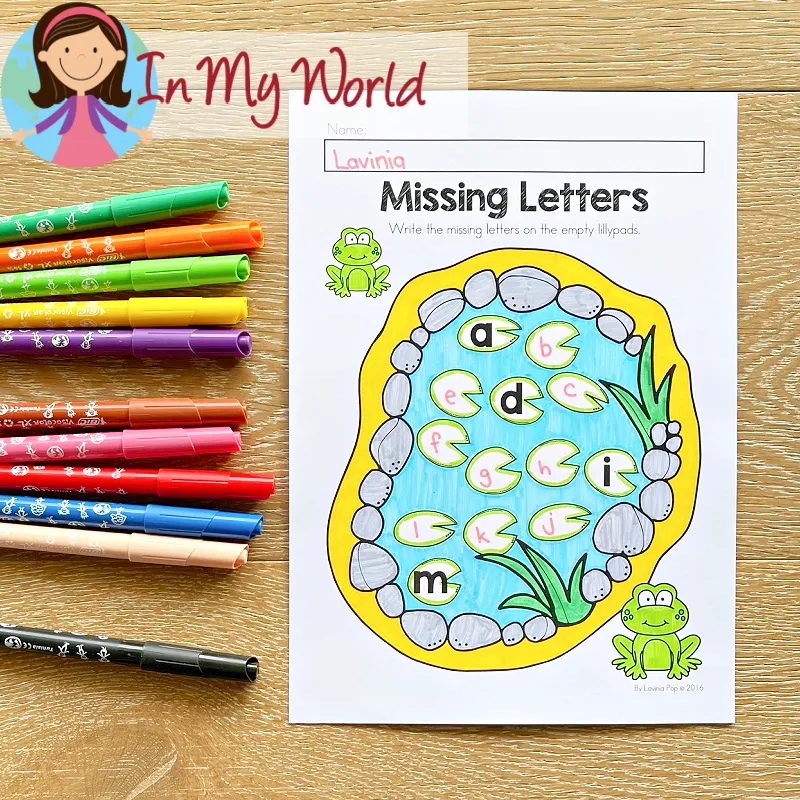
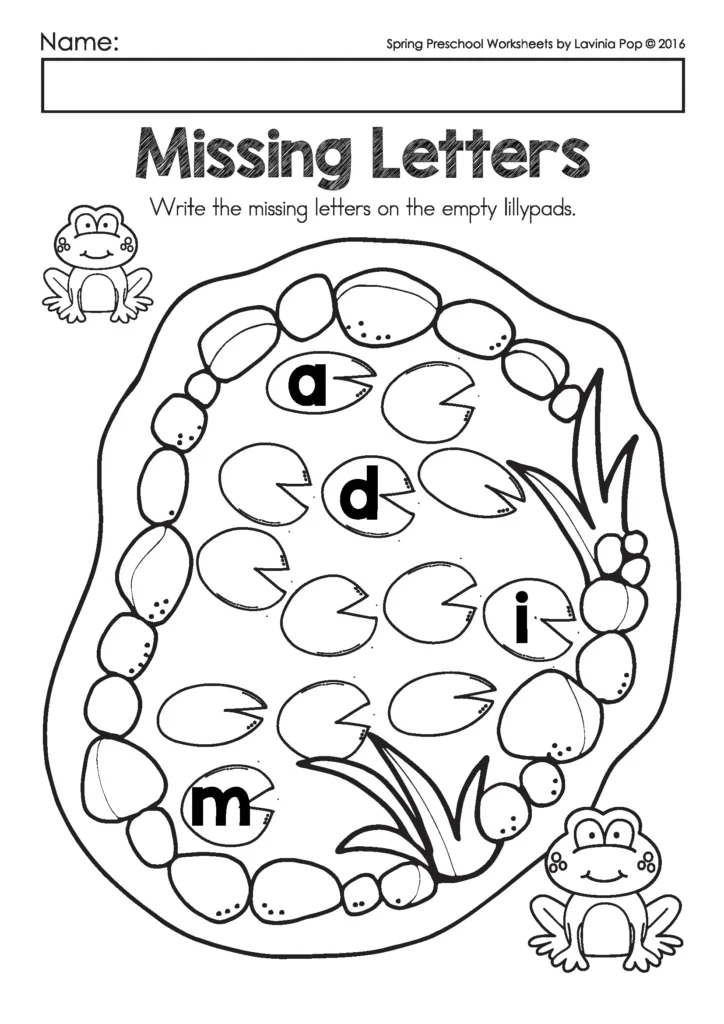
Frog Pond Missing Letters
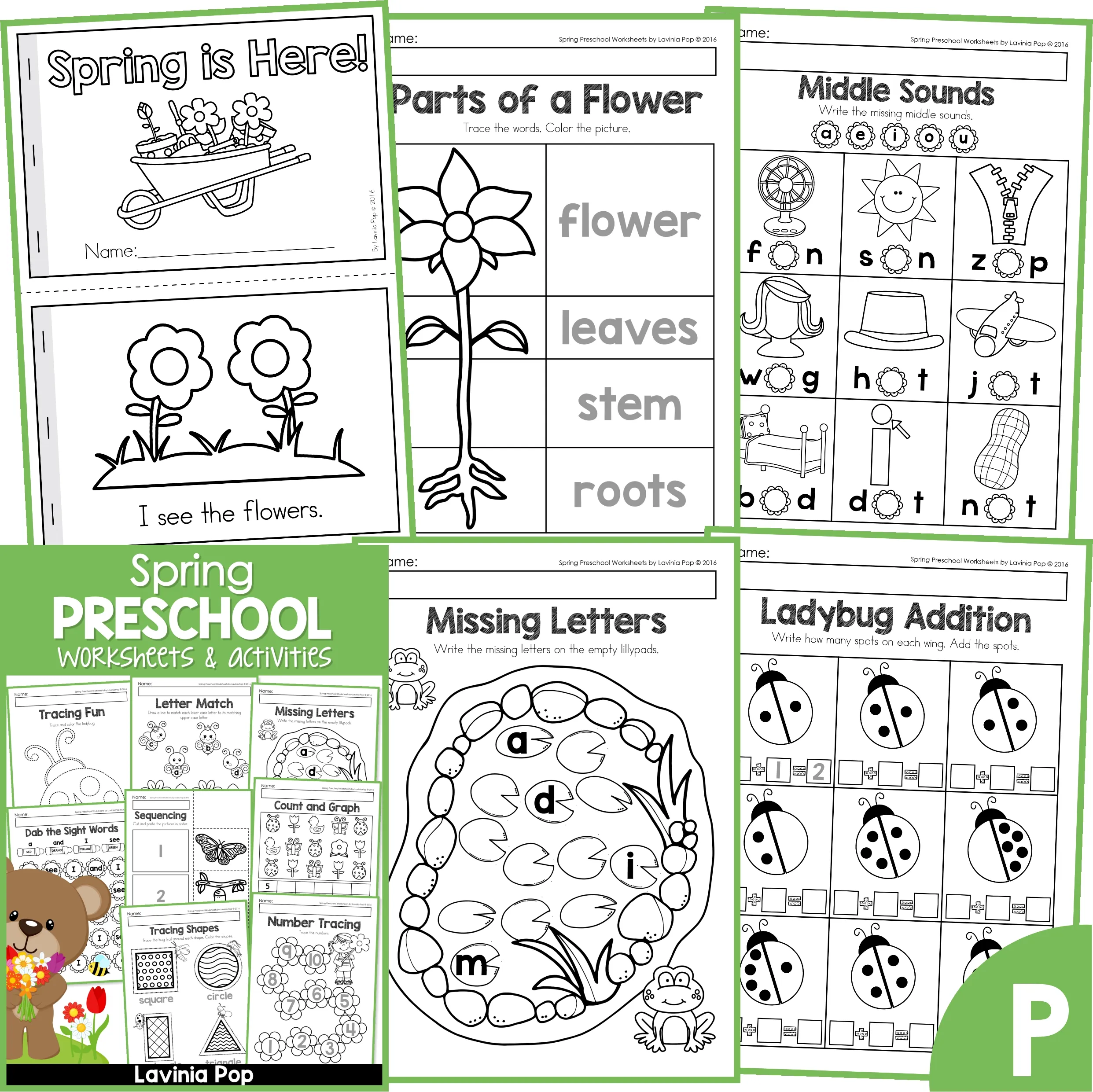
Children write the missing letters on the lily pads to complete the alphabet sequence.
Alphabet sequencing activities help children develop a stronger understanding of letter order while reinforcing recognition of each letter in the alphabet.
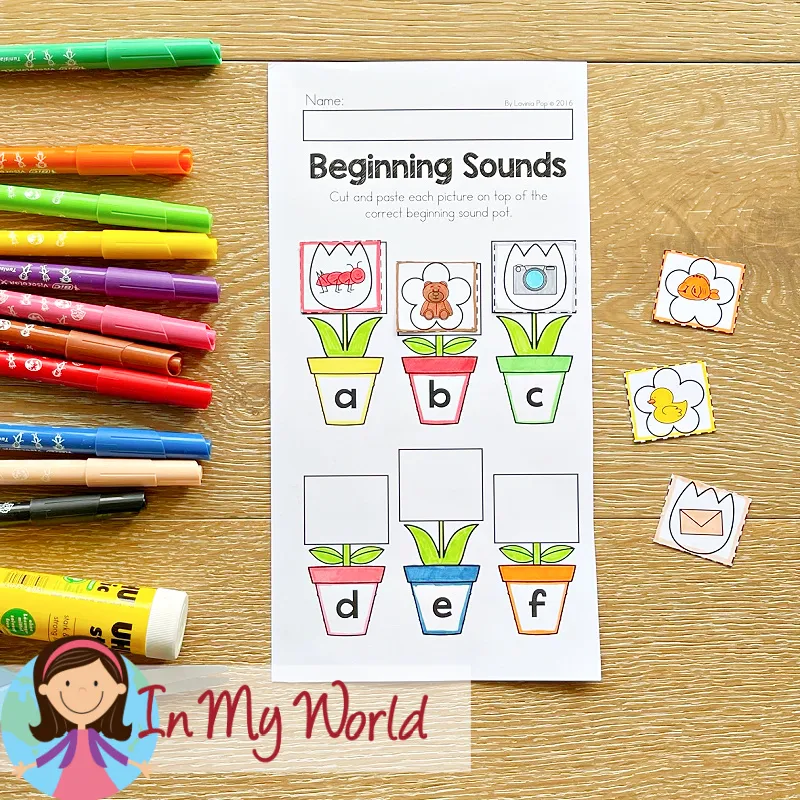
Flower Pot Beginning Sounds
Students cut out pictures from the bottom of the page and paste them on the correct flower pots.
Beginning sound activities help children connect letters with the sounds they represent, which is an essential step in early reading development.
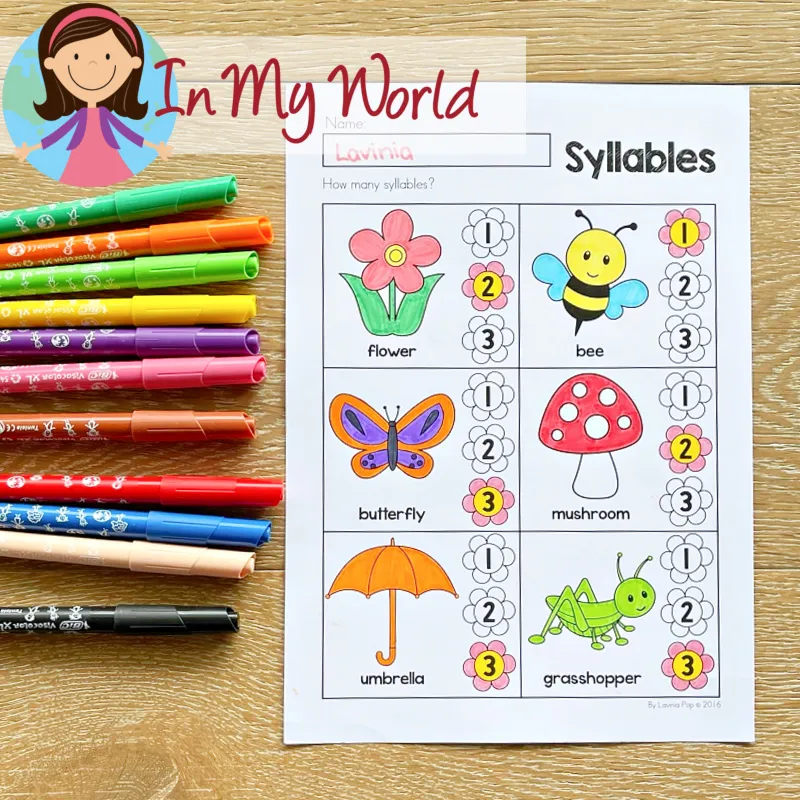
Spring Syllables
Children say the word for each picture and color the number that shows how many syllables the word has.
Clapping or counting syllables helps children become aware of how words are broken into smaller sound units, which supports phonological awareness.
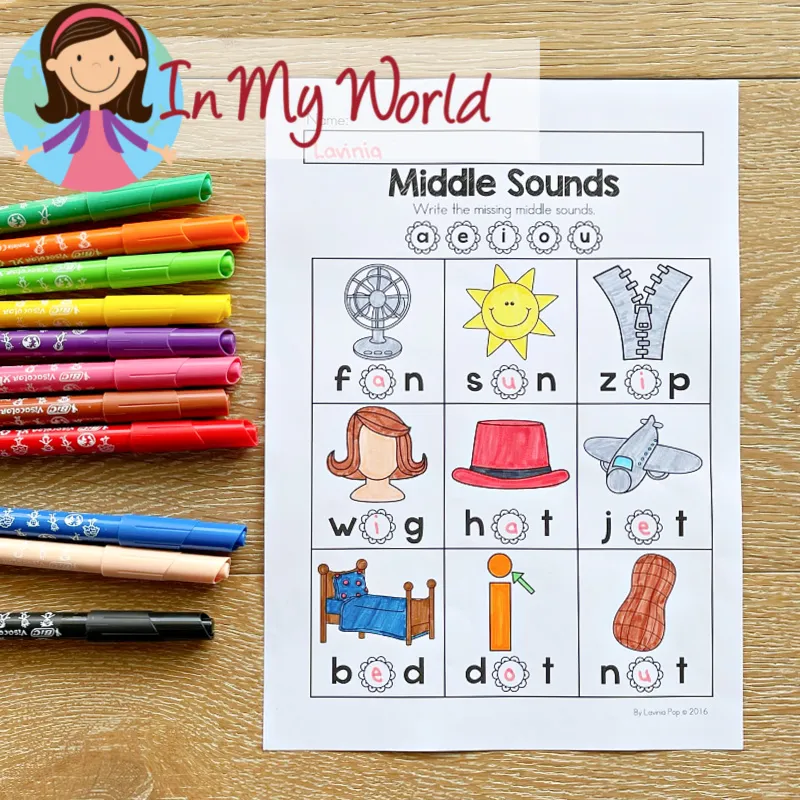
Middle Sounds in CVC Words
Children identify the picture, say the word, and write the missing middle vowel.
This activity helps students practice hearing vowel sounds in simple words, strengthening early phonics skills.
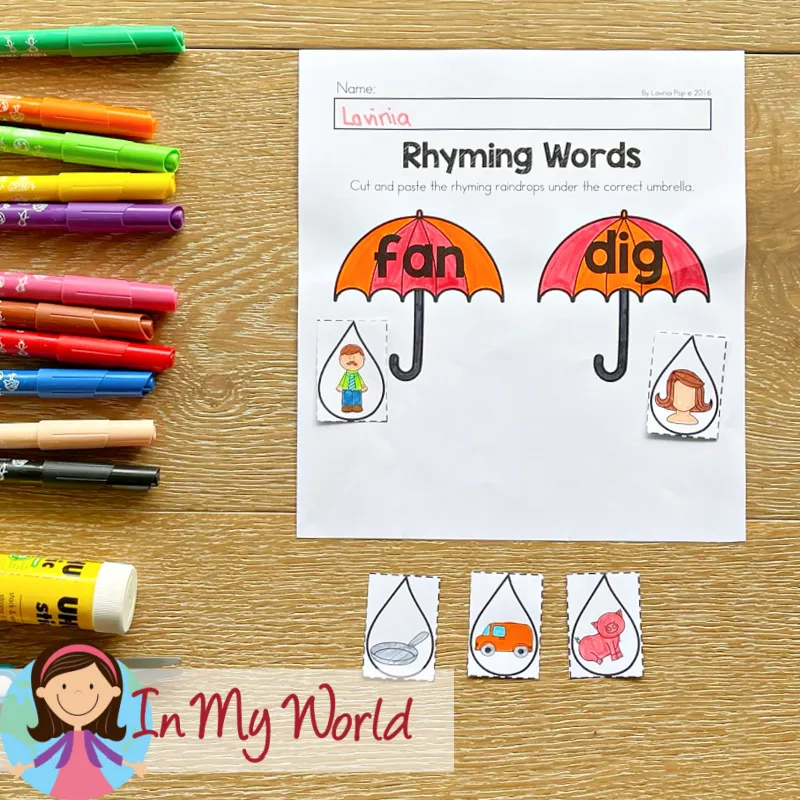
Rhyming Umbrellas
Children cut and paste pictures that rhyme under the correct umbrella.
Rhyming activities help children recognize patterns in words and develop stronger listening skills, which are important for reading readiness.
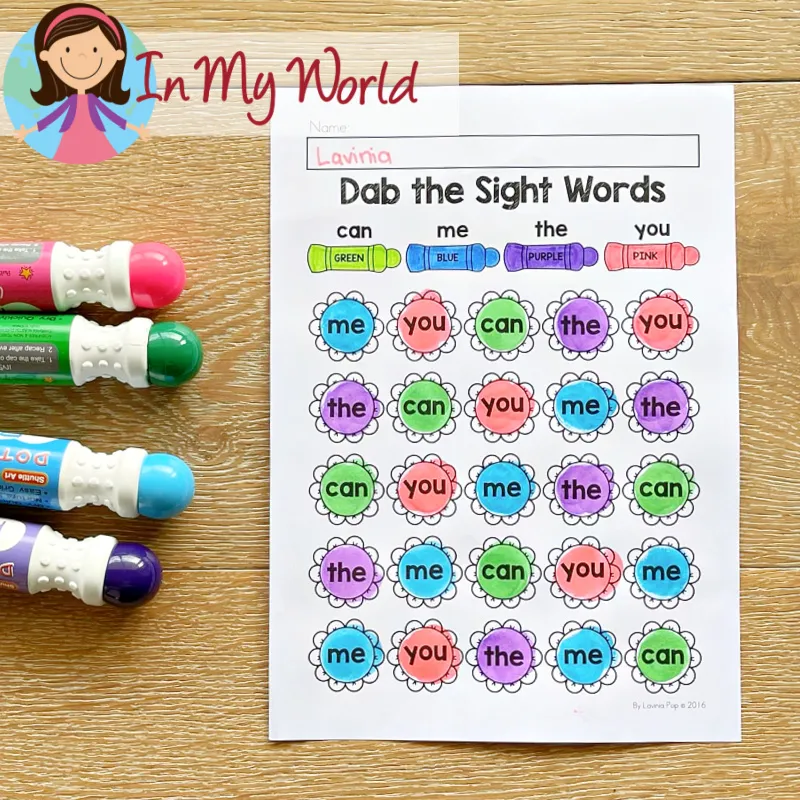
Dab the Pre Primer Sight Words
Children use bingo daubers to identify and mark sight word flowers.
Sight word practice helps children recognize common words quickly when reading. Using daubers also adds a fun hands on element that keeps children engaged.
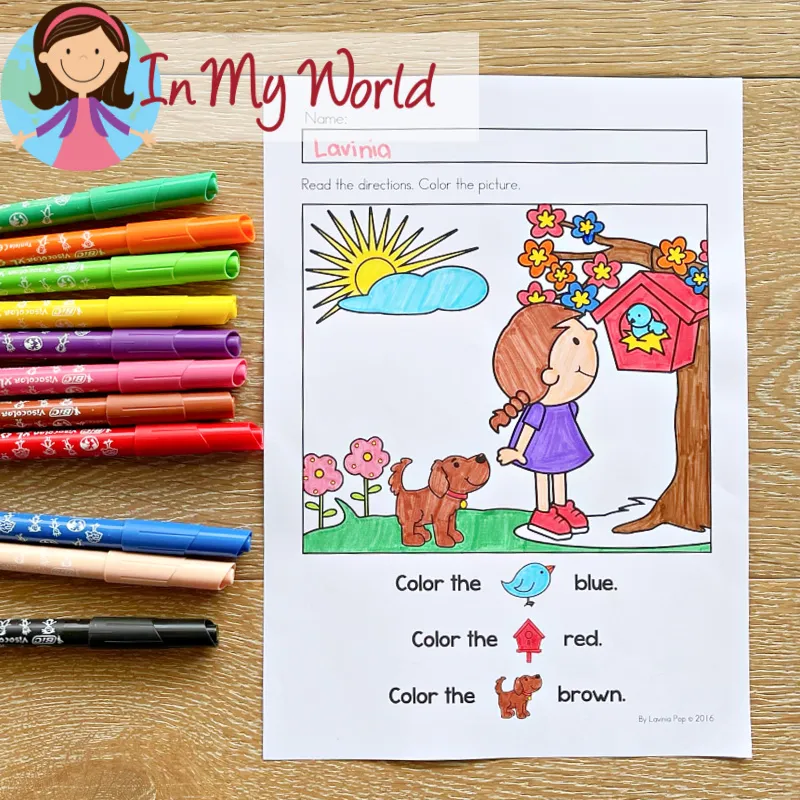
Spring Color by Directions
Children read the directions and color the matching pictures in the scene.
Activities like this help children practice following simple written instructions while strengthening early reading comprehension and attention to detail.
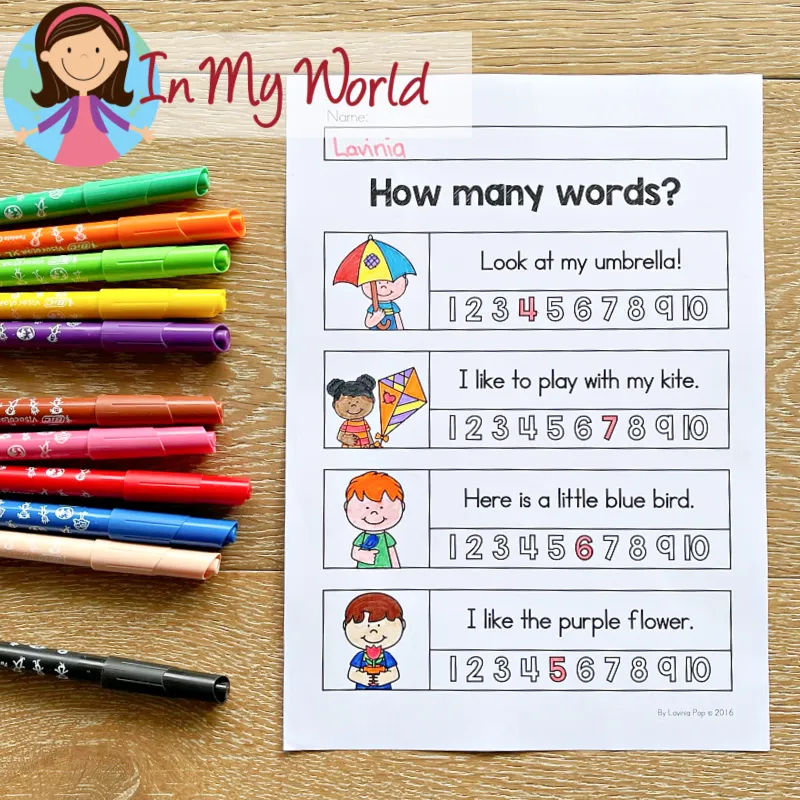
One to One Correspondence with Words
Children count how many words appear in each sentence and select the correct number.
This activity helps children understand that sentences are made up of individual words, supporting early reading development.
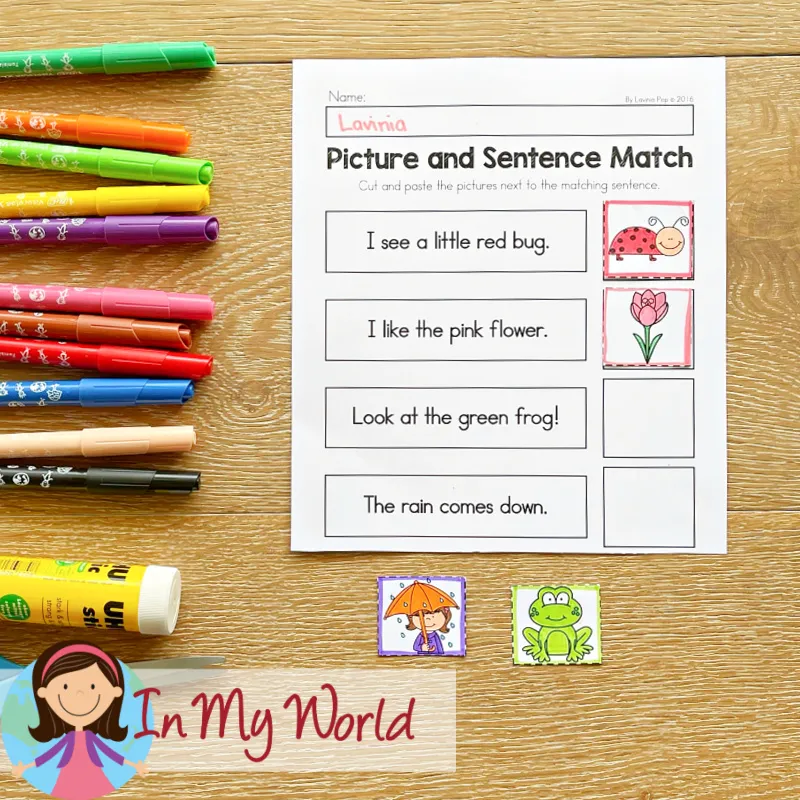
Read and Match Sentences
Students read a simple sentence and paste the matching picture beside it.
This activity encourages children to connect written words with meaning while building early reading.
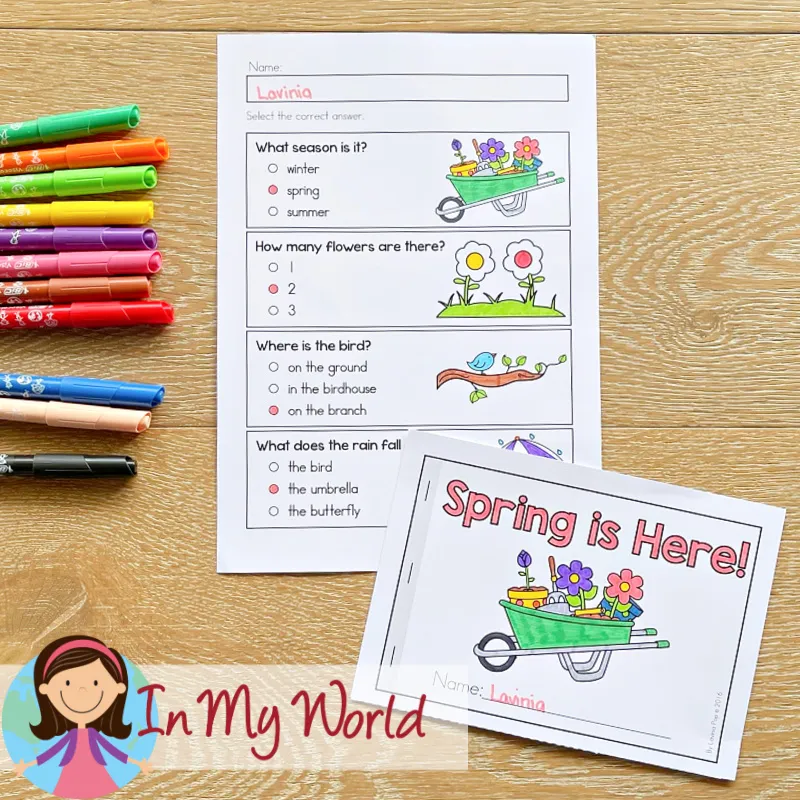
Emergent Reader – Spring is Here!
Children assemble the emergent reader Spring is Here! and read the simple sentences on each page. After reading the book, they complete a comprehension page by answering questions about the story.
Emergent readers help children build early reading confidence while practicing simple comprehension skills.
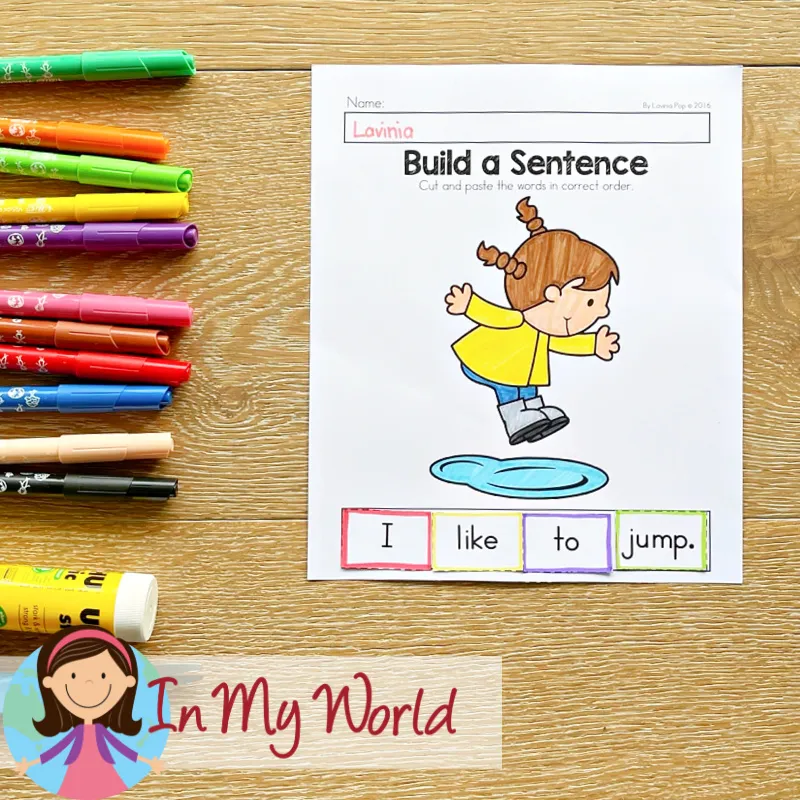
Build a Sentence
Children cut out words and arrange them in the correct order to form a four word sentence.
Sentence building activities help students understand how words work together to form complete thoughts.
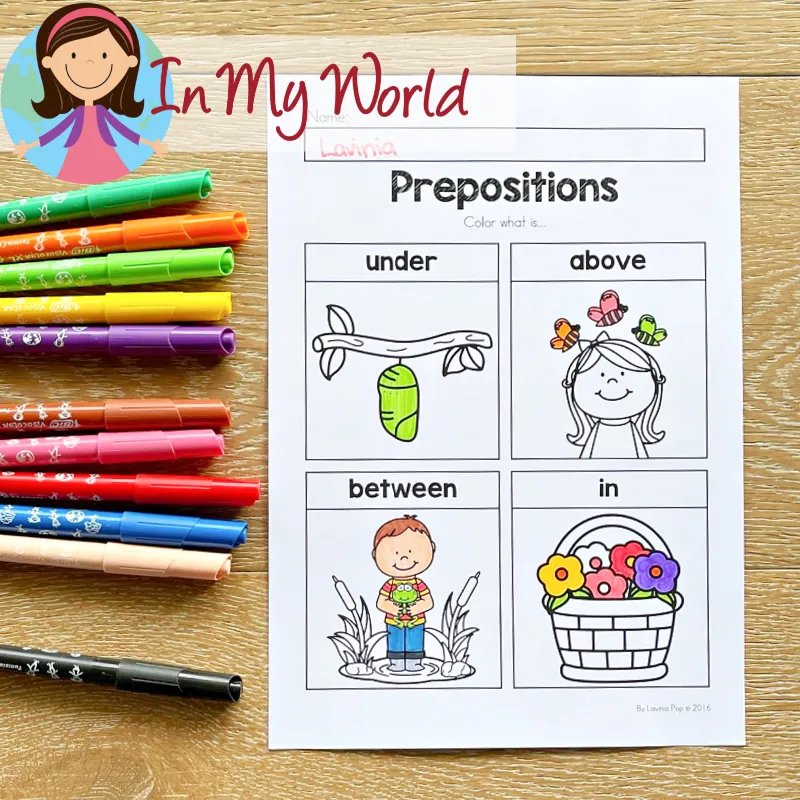
Spring Prepositions
Children identify pictures that show positions such as under, above, between, and in.
Understanding positional words helps children build stronger language skills and improves comprehension when listening to instructions.
Spring Math Activities
Math skills are also included in these Spring Preschool Worksheets and Activities, helping children practice counting, number recognition, patterns, and simple addition.
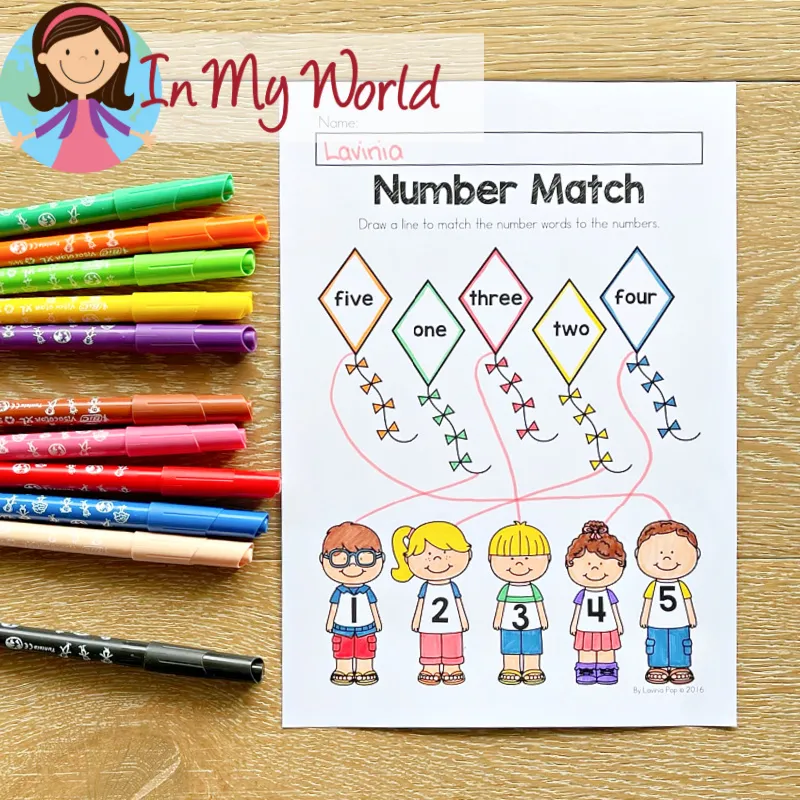
Kite Number Word Match
Children draw a line from number words to the matching numbers.
This activity helps students connect written number words with their numerical forms.
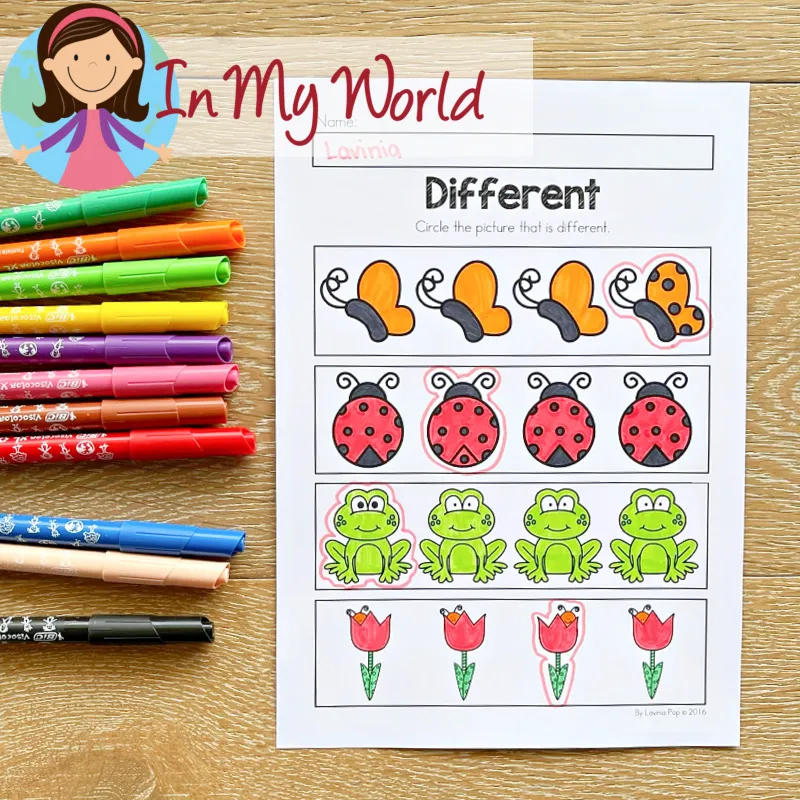
Find the Difference
Children examine each row of pictures and circle the item that is different.
Visual discrimination activities help children notice small differences between objects and strengthen attention to detail.
What Doesn’t Belong
Students identify the picture that does not belong in each group.
Sorting and classification activities help children develop logical thinking and early reasoning skills.
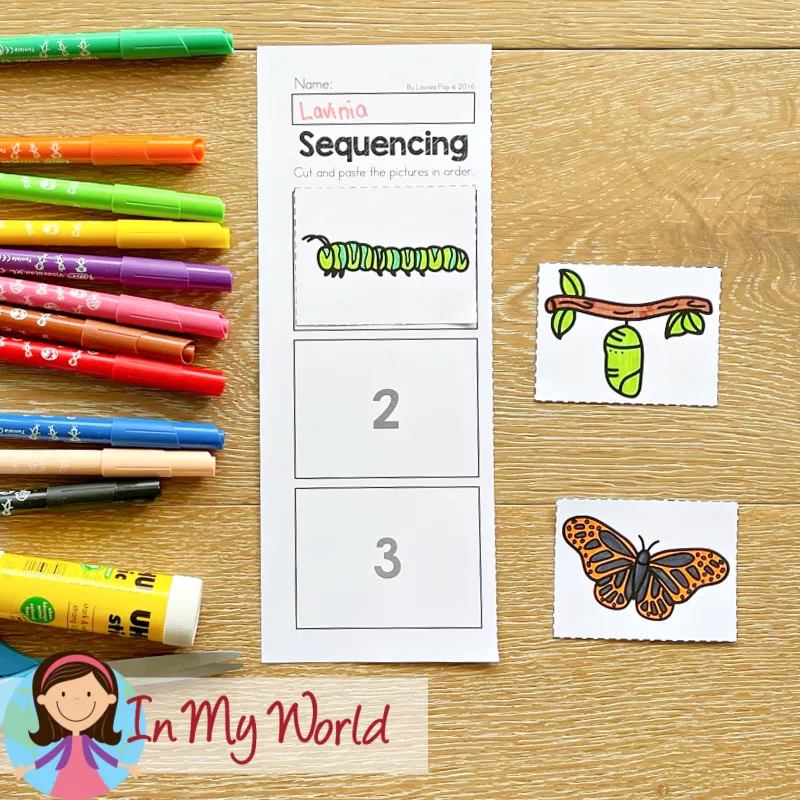
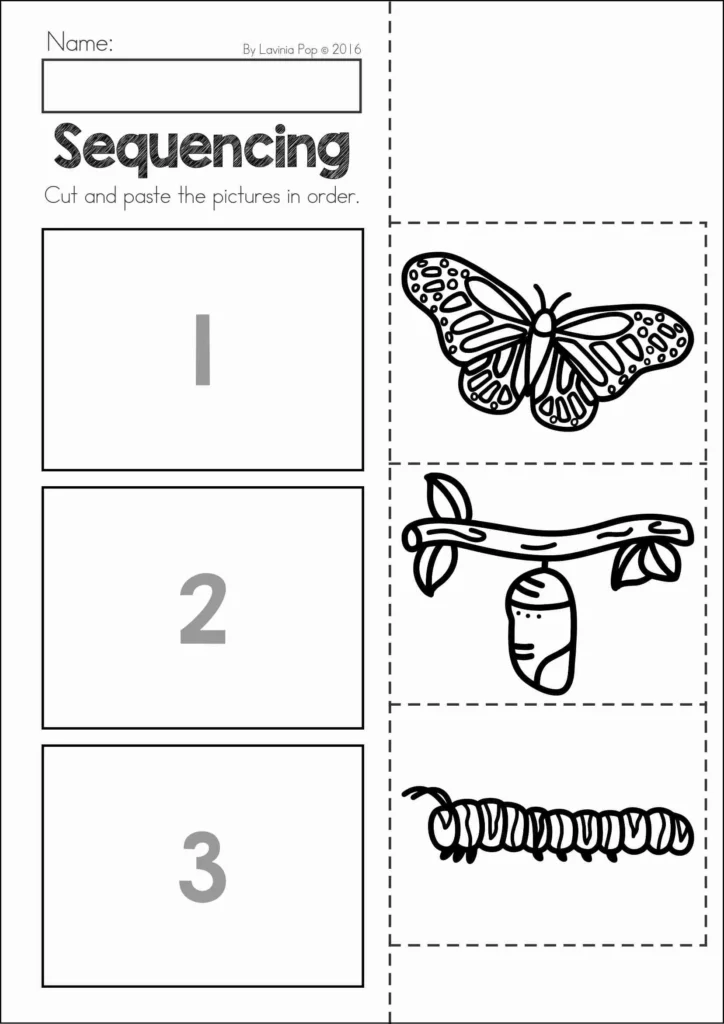
Butterfly Life Cycle Sequencing
Children cut and paste the pictures in the correct order to show how a butterfly grows.
Sequencing activities help children understand how events happen in a logical order while introducing basic science concepts.
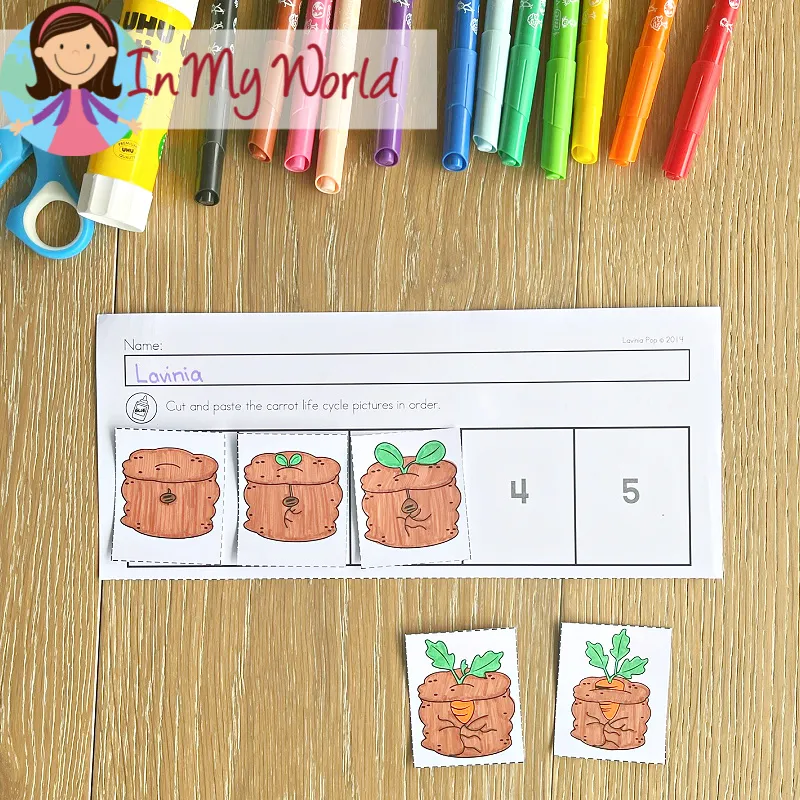
Rabbit Garden Sequencing
Students place the pictures in order to show a rabbit pulling a carrot from the garden.
This activity strengthens storytelling and sequencing skills.
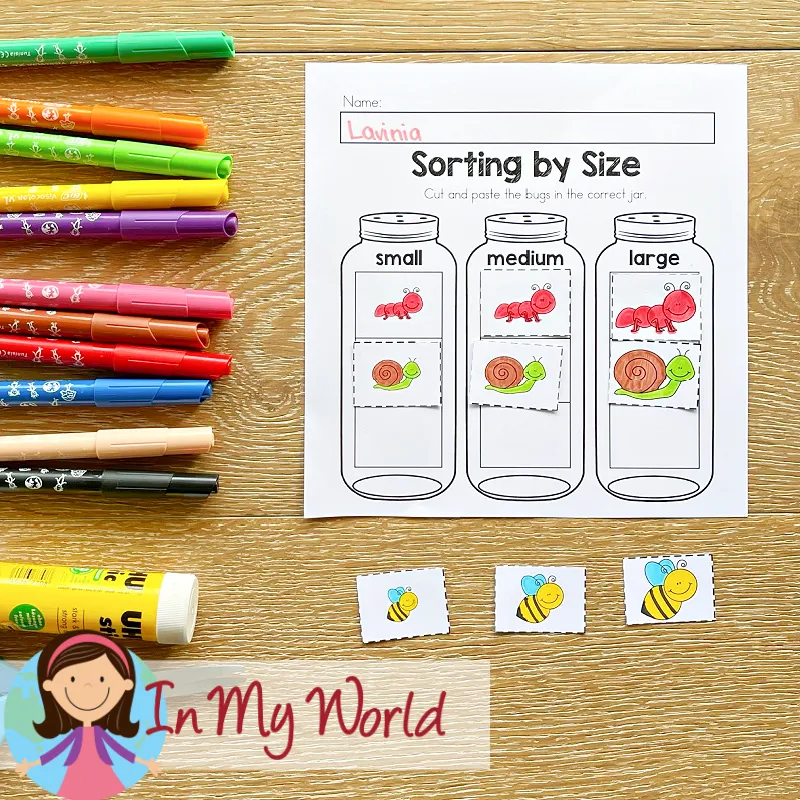
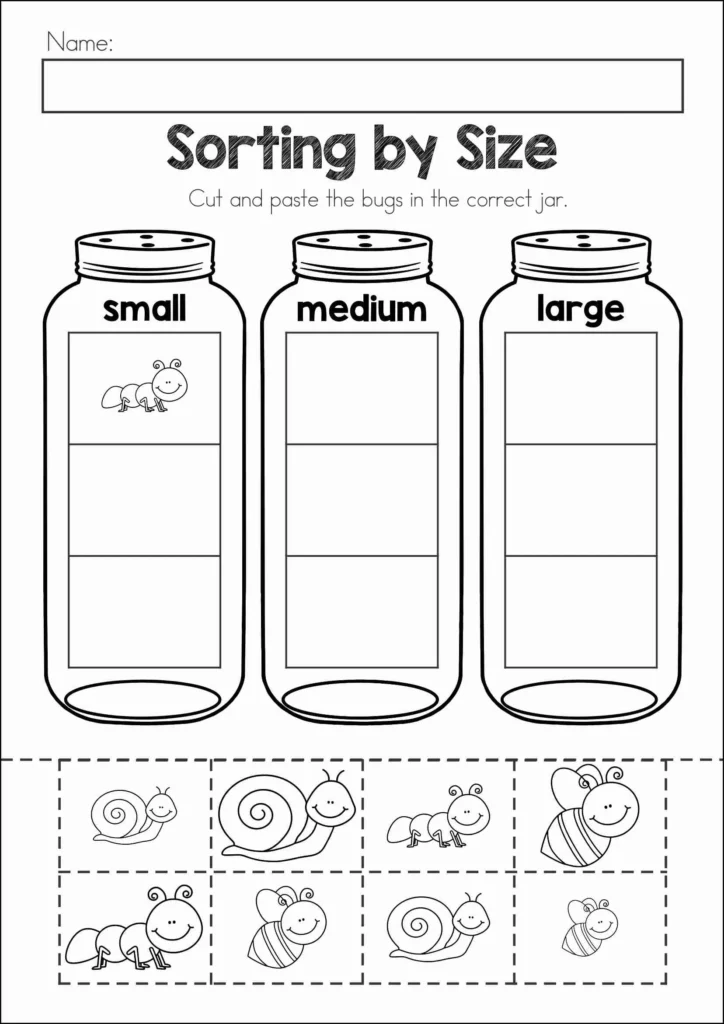
Bug Size Sorting
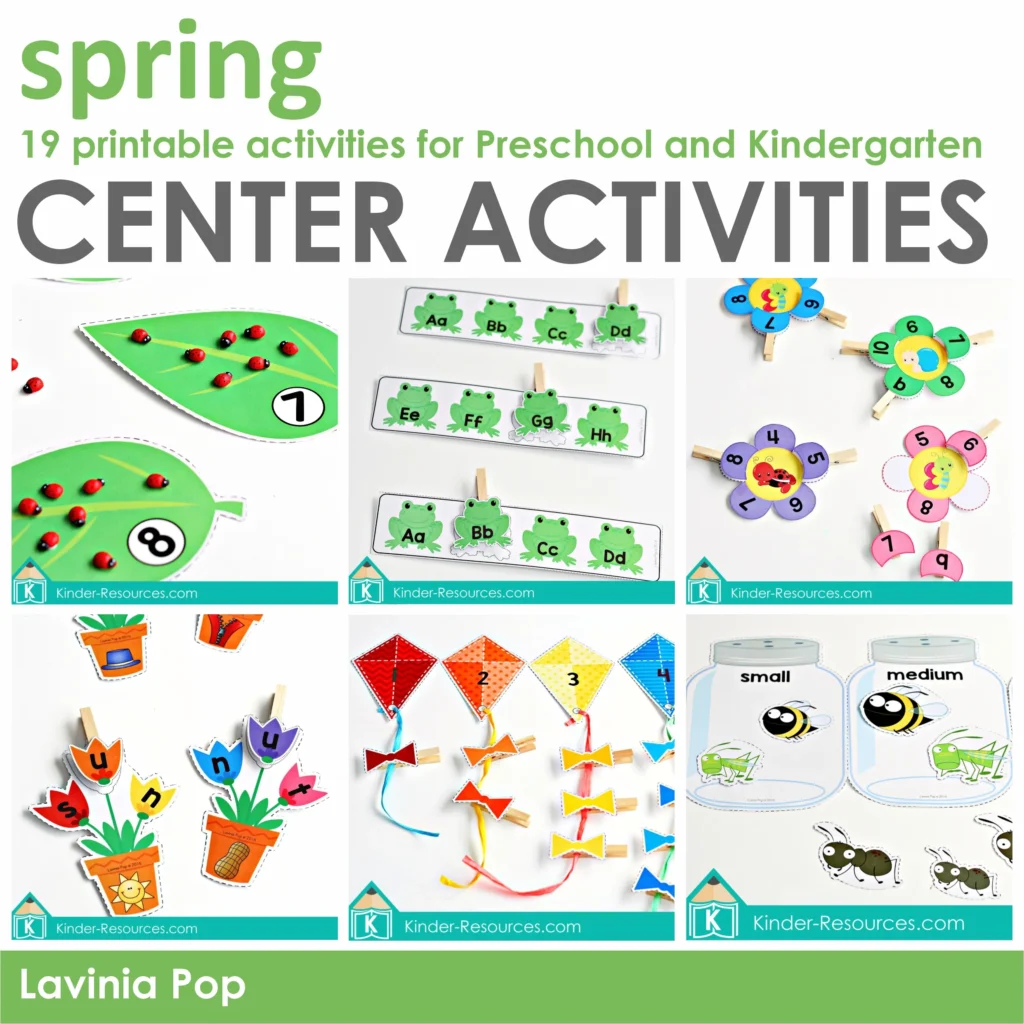
Children sort insects by size and paste them in the correct jars.
Size sorting helps children develop comparison skills and vocabulary such as small, medium, and large.
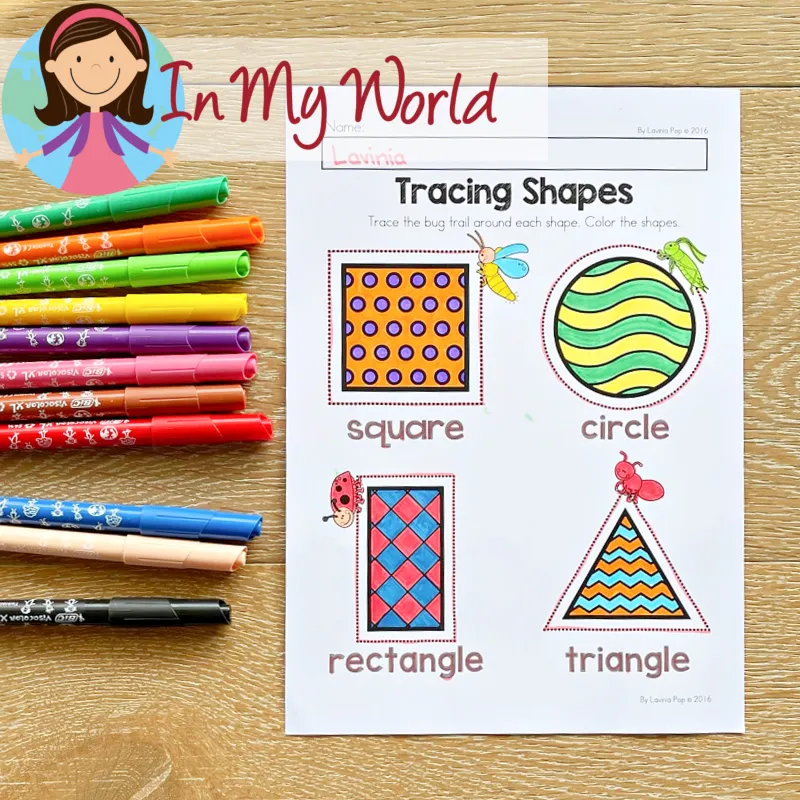
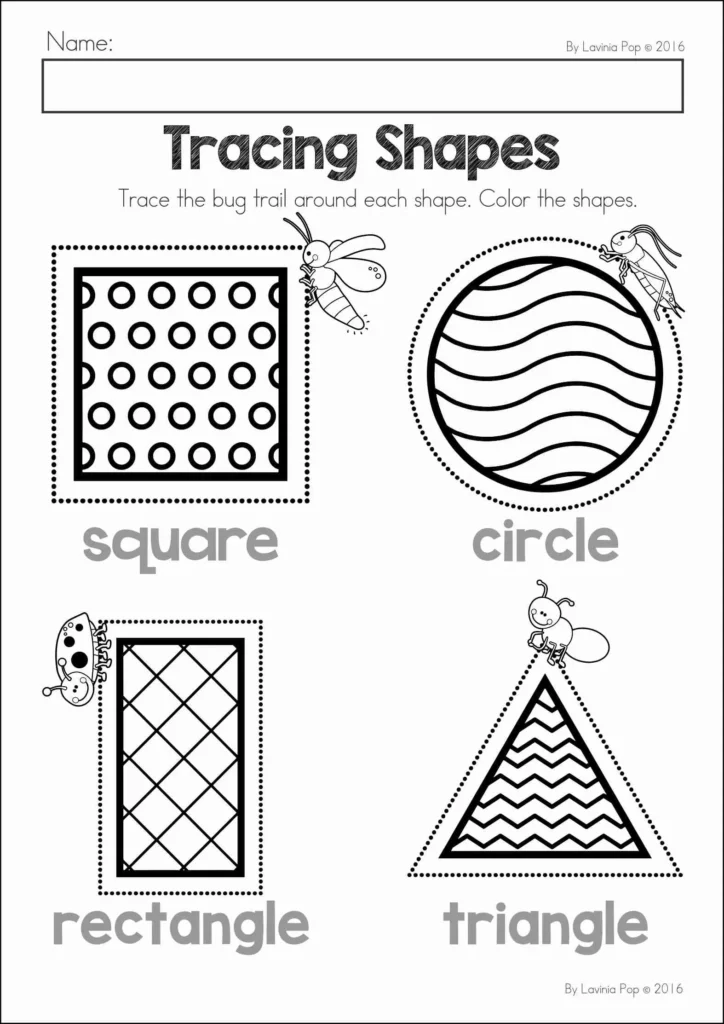
Bug Trail Shapes
Children trace the bug trail around different shapes.
This activity strengthens shape recognition while continuing to develop pencil control.
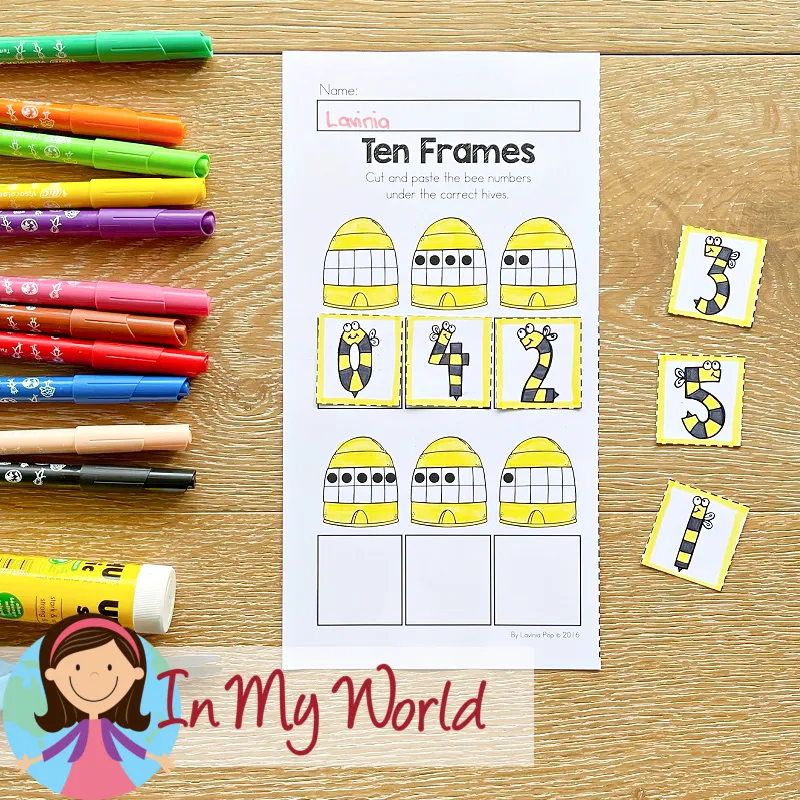
Bee Ten Frame Number Match
Children match numbers with the correct ten frame beehives.
Ten frames help children visualize quantities and understand number relationships.
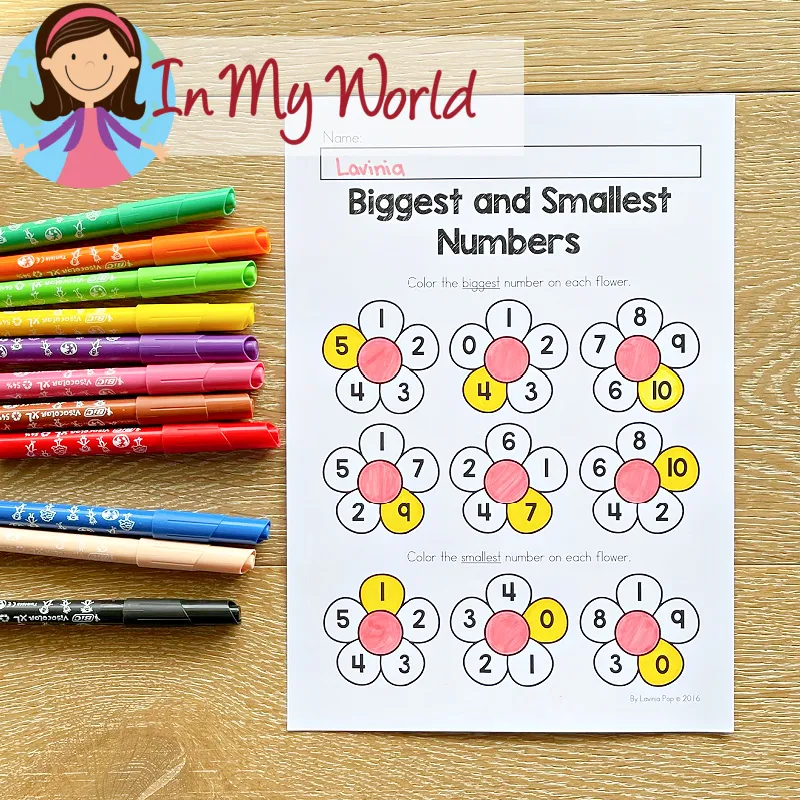
Biggest and Smallest Numbers
Students identify the biggest and smallest numbers and color the correct petals.
This activity helps children compare numbers and develop early number sense.
Number Tracing
Children trace numbers 1–10.
Tracing numbers helps children learn number formation and reinforces number recognition.
Missing Numbers
Students trace existing numbers and fill in the missing numbers.
This activity strengthens understanding of number order.
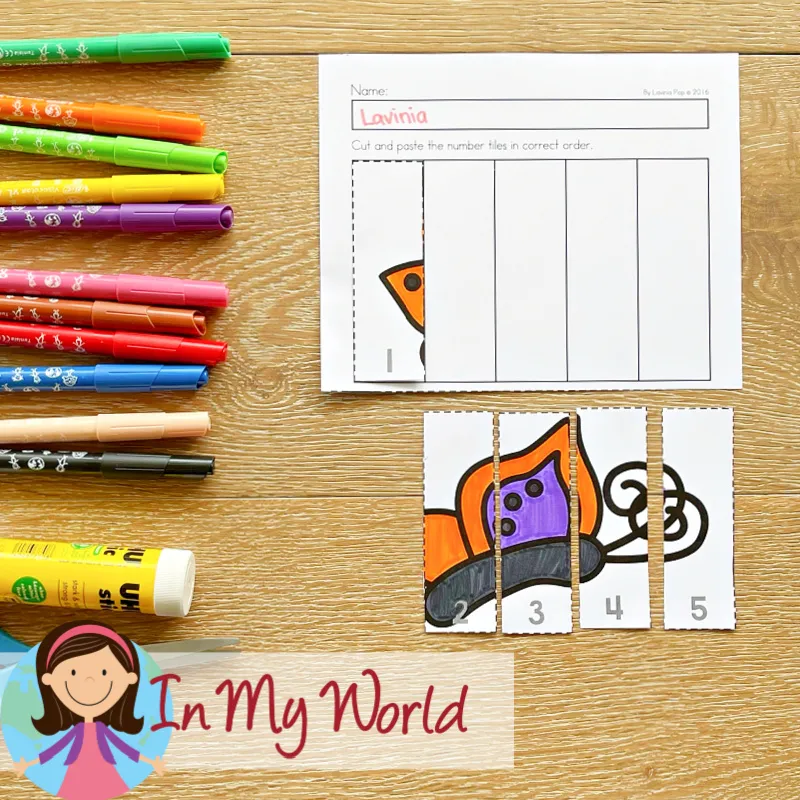
Number Order Cut and Paste
Children place numbers in the correct sequence.
Ordering numbers helps build strong counting foundations.
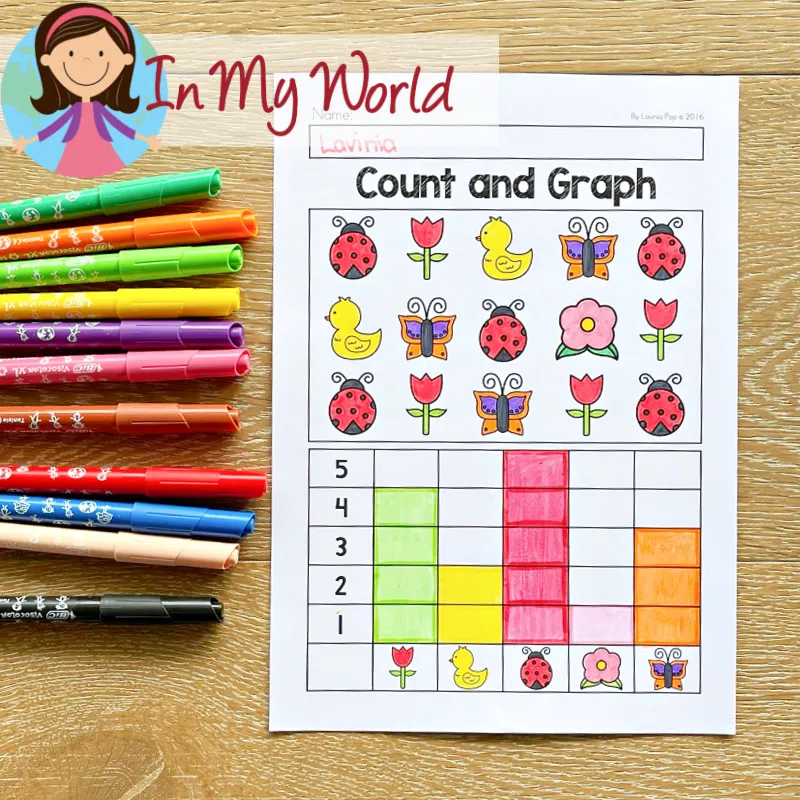
Count and Graph
Children count objects and place them on the graph.
Graphing introduces children to basic data organization skills.
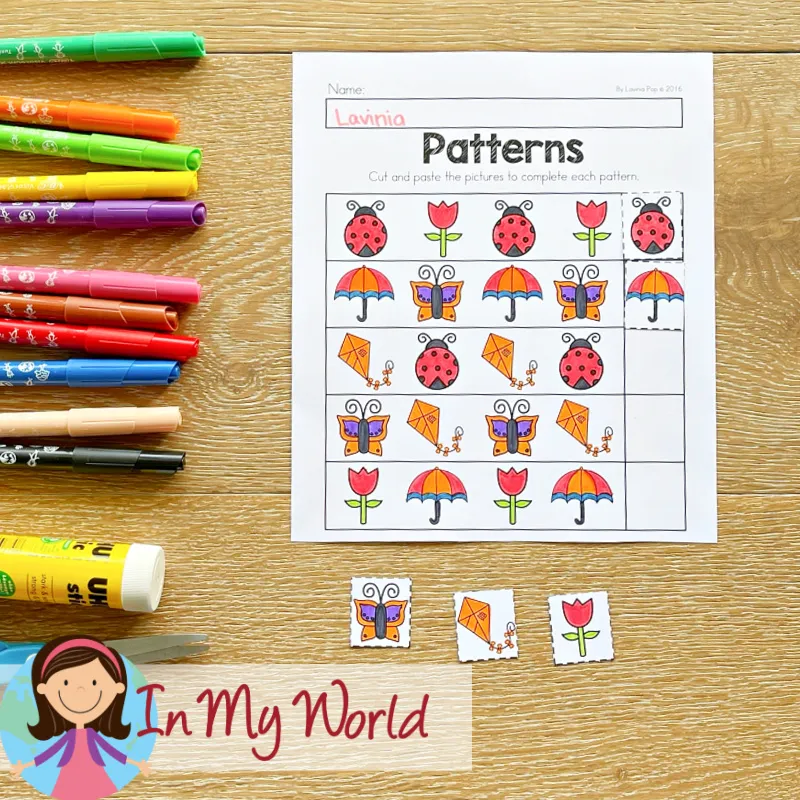
Spring Patterns
Children identify pattern types such as AB, ABB, and ABC and complete them.
Pattern recognition helps children understand predictable sequences and prepares them for later math concepts.
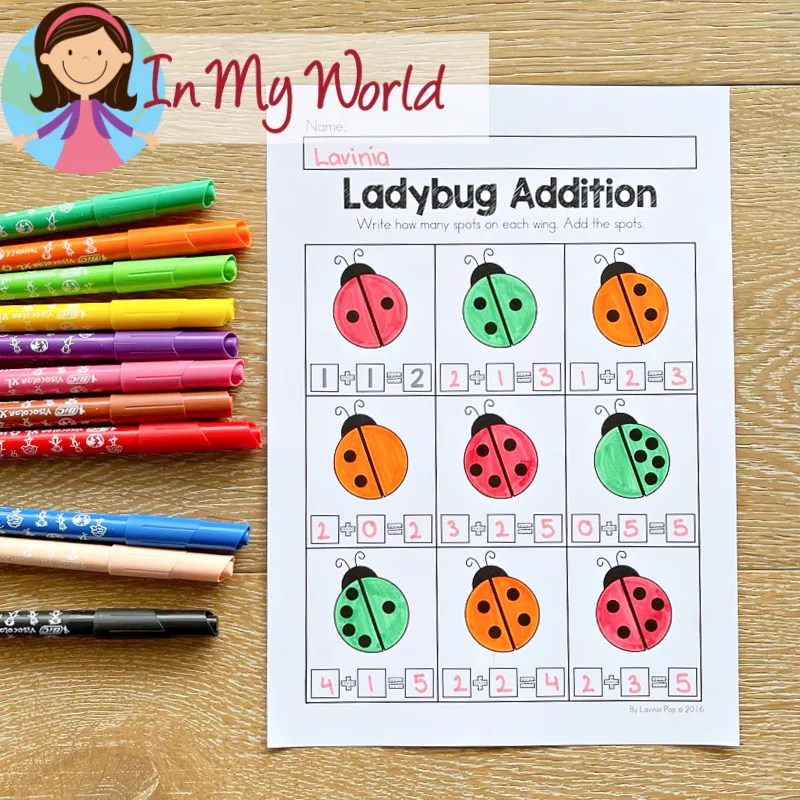
Ladybug Addition
Children count the dots on each ladybug wing and write an addition sentence.
This activity introduces simple addition using visual counting.
Spring Science and Exploration Activities
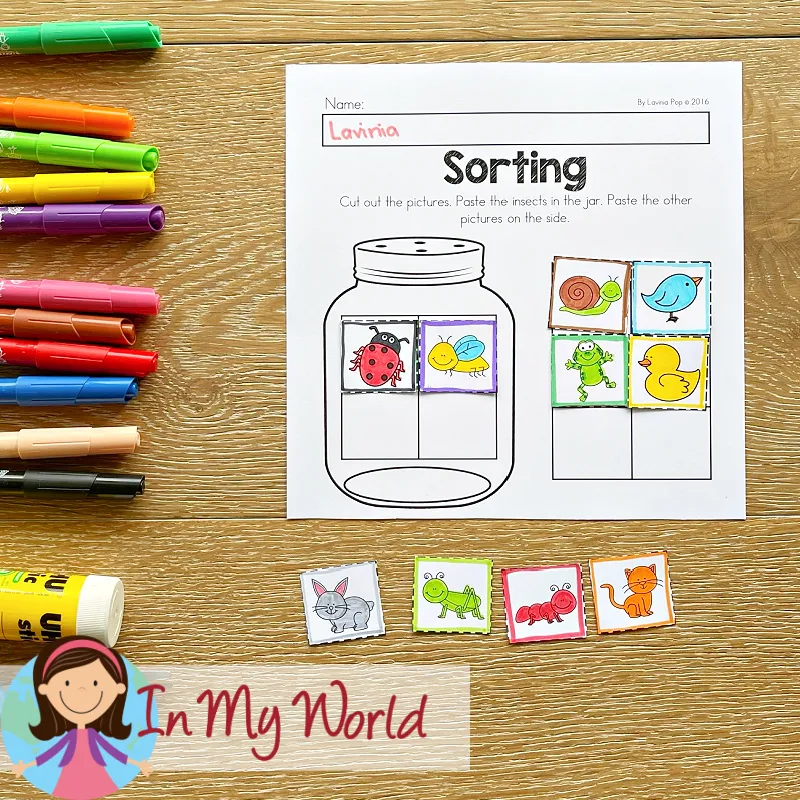
Insect Sorting
Children sort animals into insects and non insects.
This activity introduces basic science classification while helping children observe characteristics of insects.
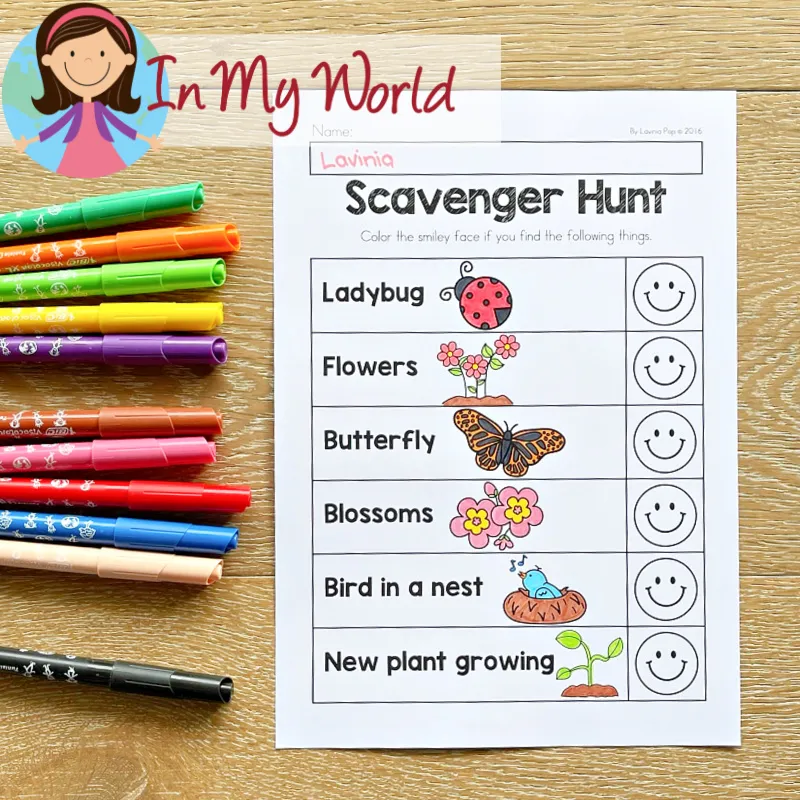
Spring Scavenger Hunt
Students search for spring objects and mark them when they are found.
Scavenger hunts encourage observation and curiosity about the natural world.
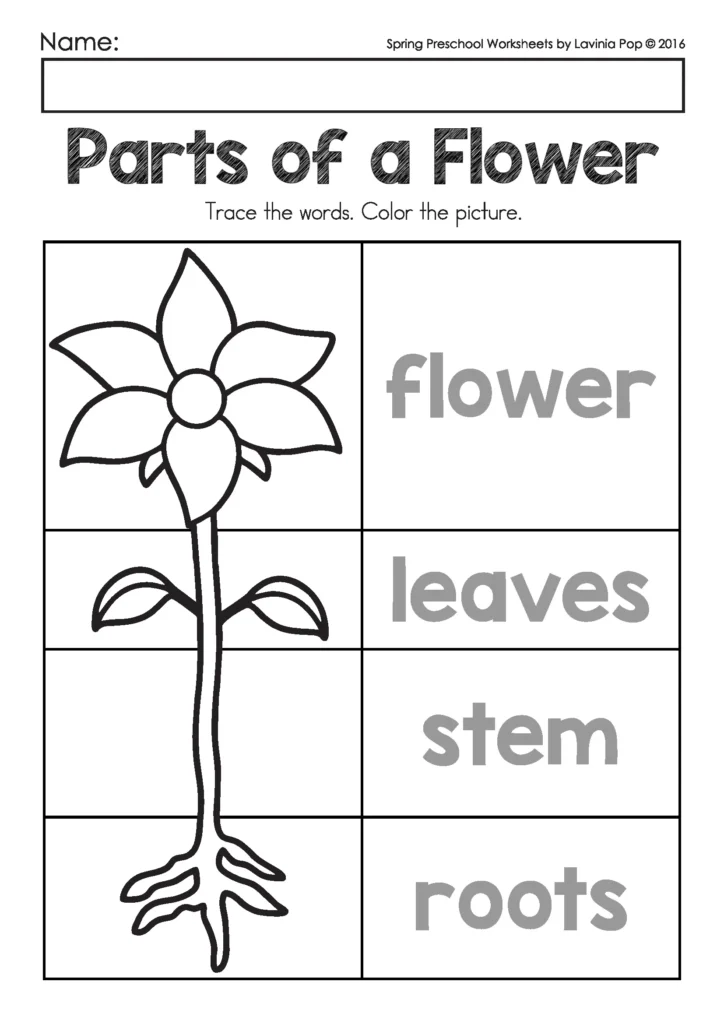
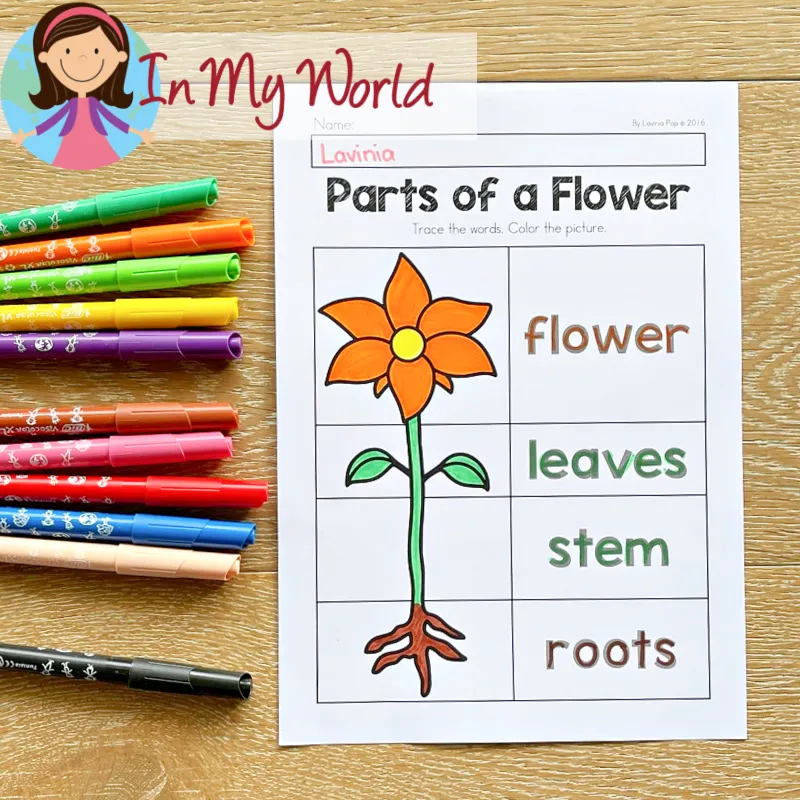
Parts of a Flower
Children trace the words and color the flower diagram.
This activity introduces basic plant science vocabulary.
My Five Senses in Spring
Children draw pictures showing what they see, hear, smell, taste, and feel during spring.
This encourages observation, language development, and creativity.
How to Use These Spring Preschool Worksheets and Activities
These Spring Preschool Worksheets and Activities work well in many classroom situations.
Teachers often use them for:
- spring literacy and math centers
- morning work
- small group instruction
- early finishers
- substitute plans
- take home practice
Because the pages include tracing, cut and paste tasks, and visual thinking activities, they support both independent practice and guided learning.
Final Thoughts
These Spring Preschool Worksheets and Activities provide a wide variety of engaging tasks that help children build important early skills while enjoying the themes of spring.
With activities covering literacy, math, science, and fine motor development, the packet can be used throughout the entire spring season in centers, small groups, morning work, or independent practice.
Purchase the Spring Preschool Worksheets and Activities packet
If you would like to purchase the complete 77-page Spring Worksheets and Activities for Preschool packet, click on one of the stores links below.


You may also like…
How do I order this? Thank you
It can purchased through TpT here: https://www.teacherspayteachers.com/Product/Spring-Preschool-No-Prep-Worksheets-Activities-Distance-Learning-2414490