
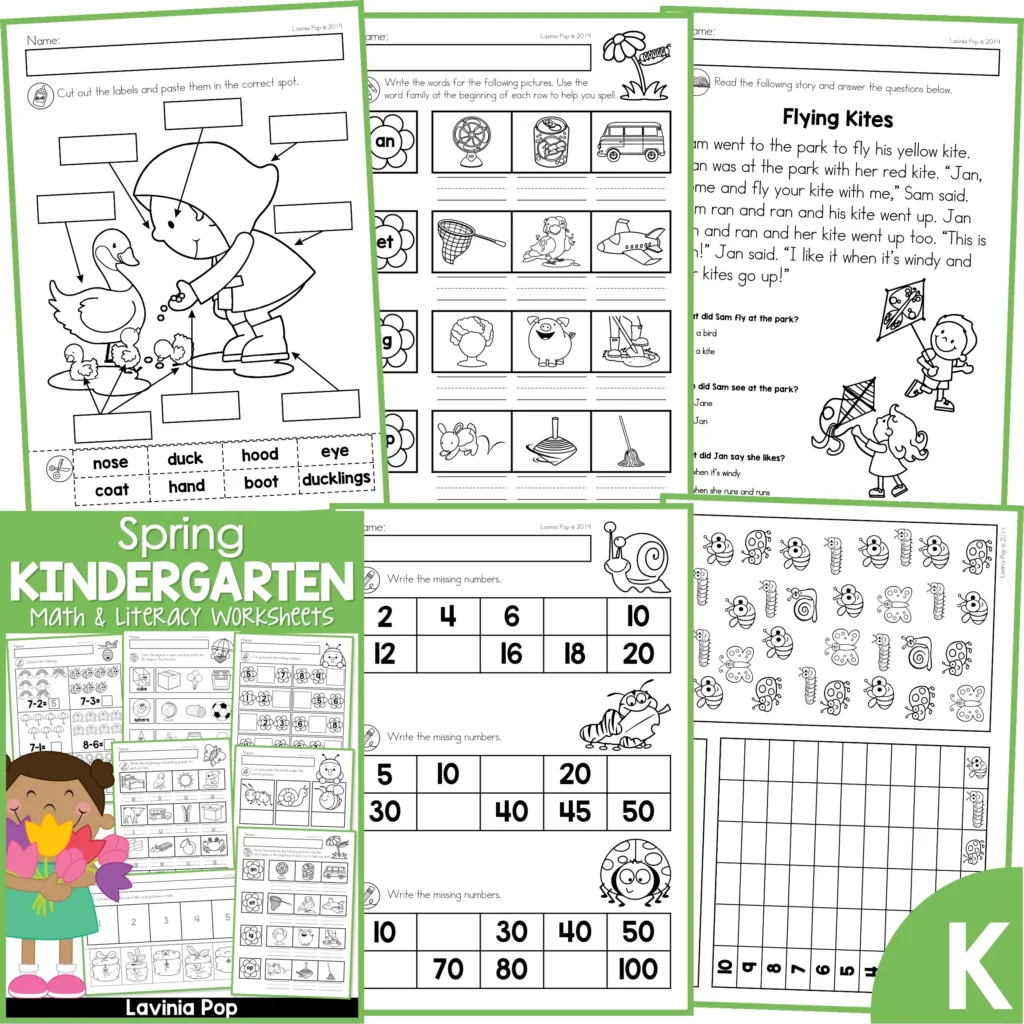
Spring is a wonderful time to refresh classroom routines with engaging seasonal learning. These Spring Kindergarten Worksheets and Activities give students meaningful practice with early literacy and math skills while keeping lessons fun and motivating.
Young learners benefit from structured practice that combines reading, phonics, and math skills with simple visuals and clear instructions. Spring themed worksheets make this practice feel fresh and exciting, helping students stay focused during the busy final months of the school year.
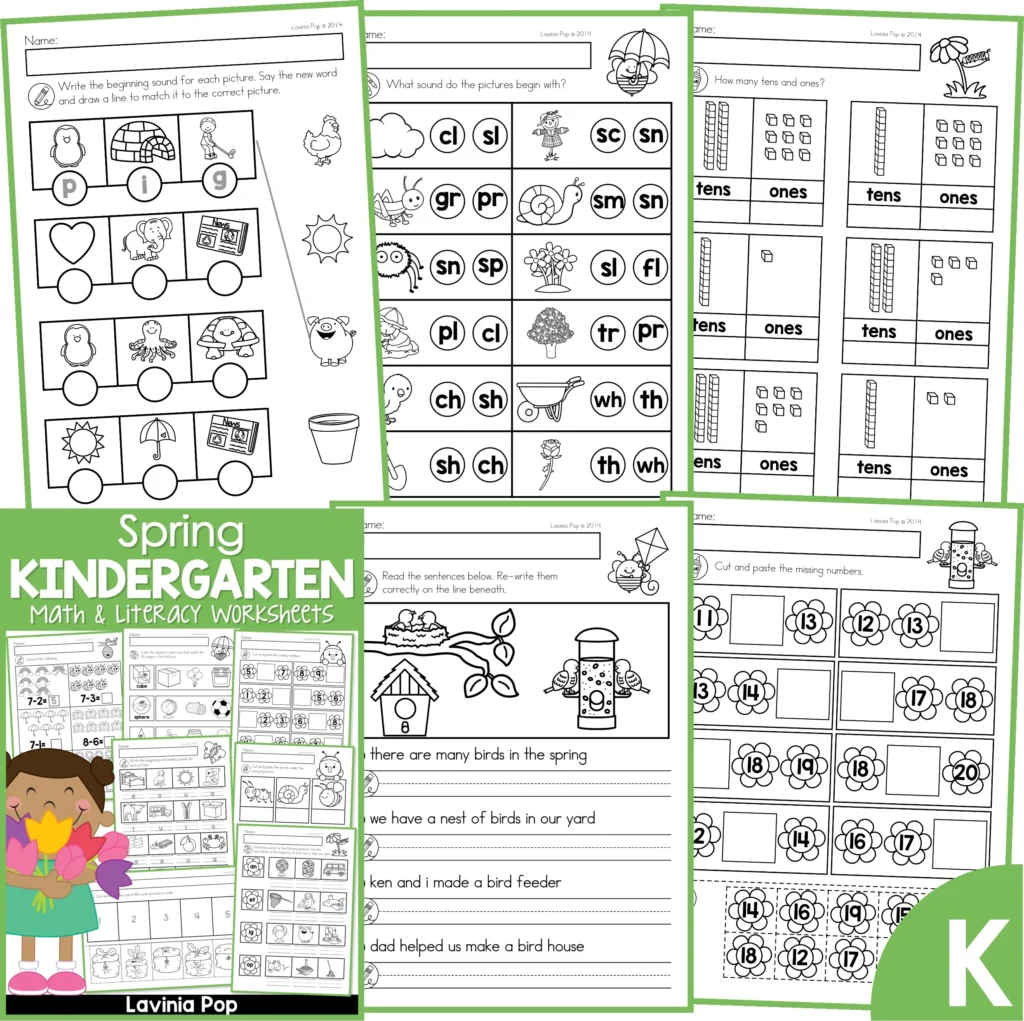
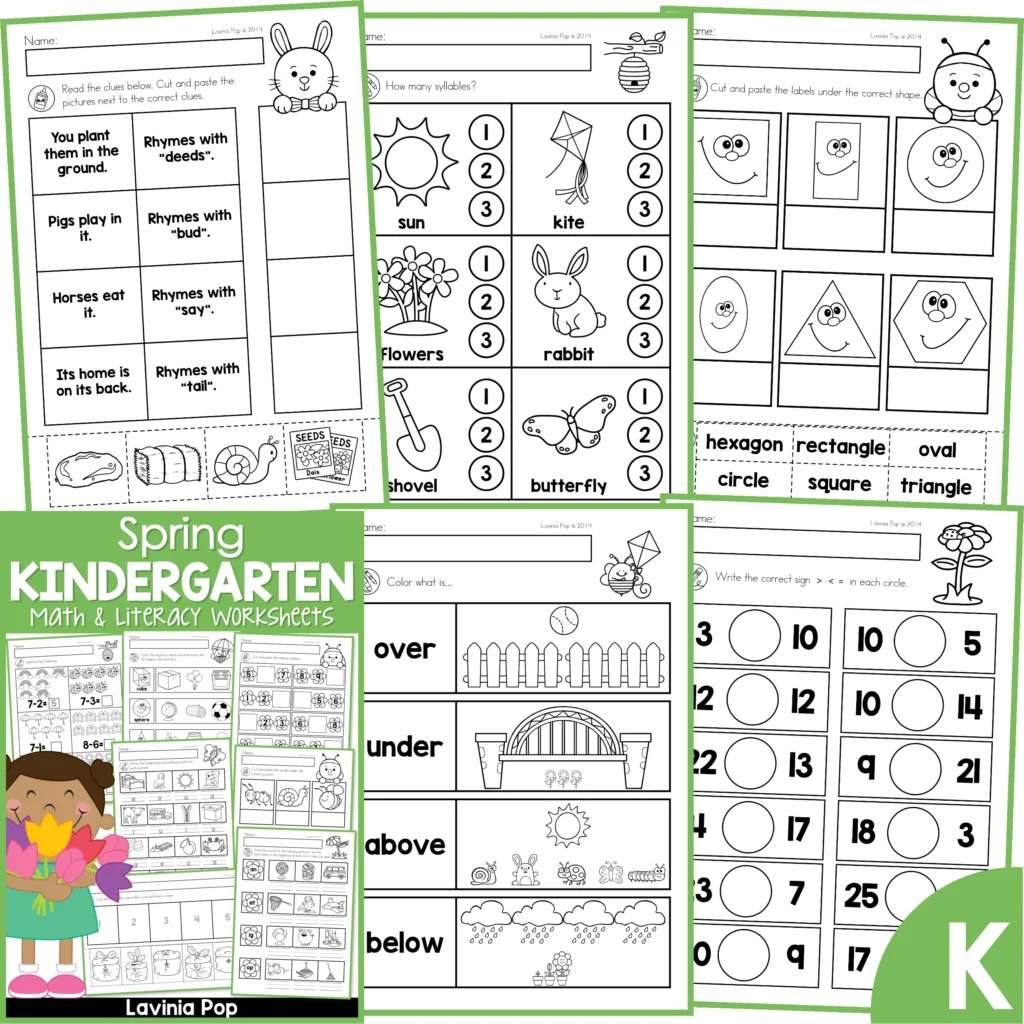
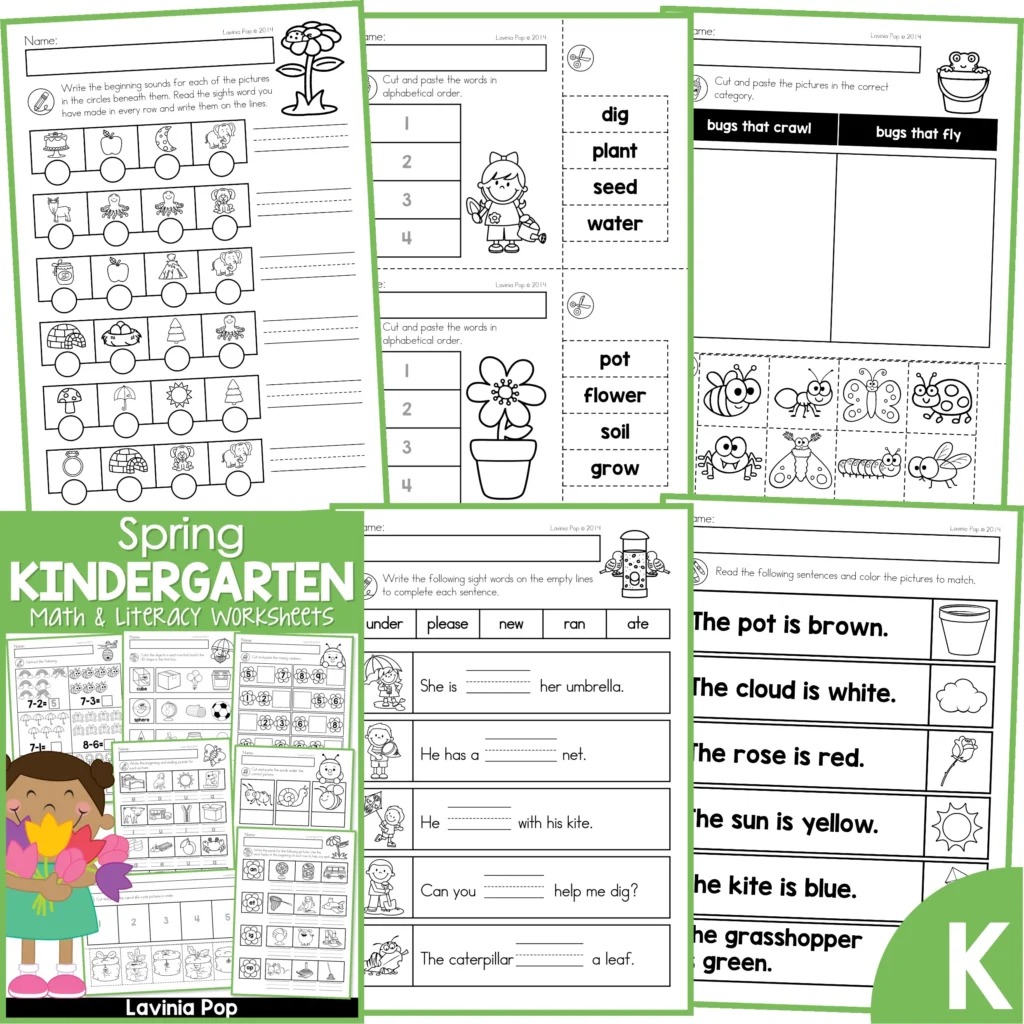
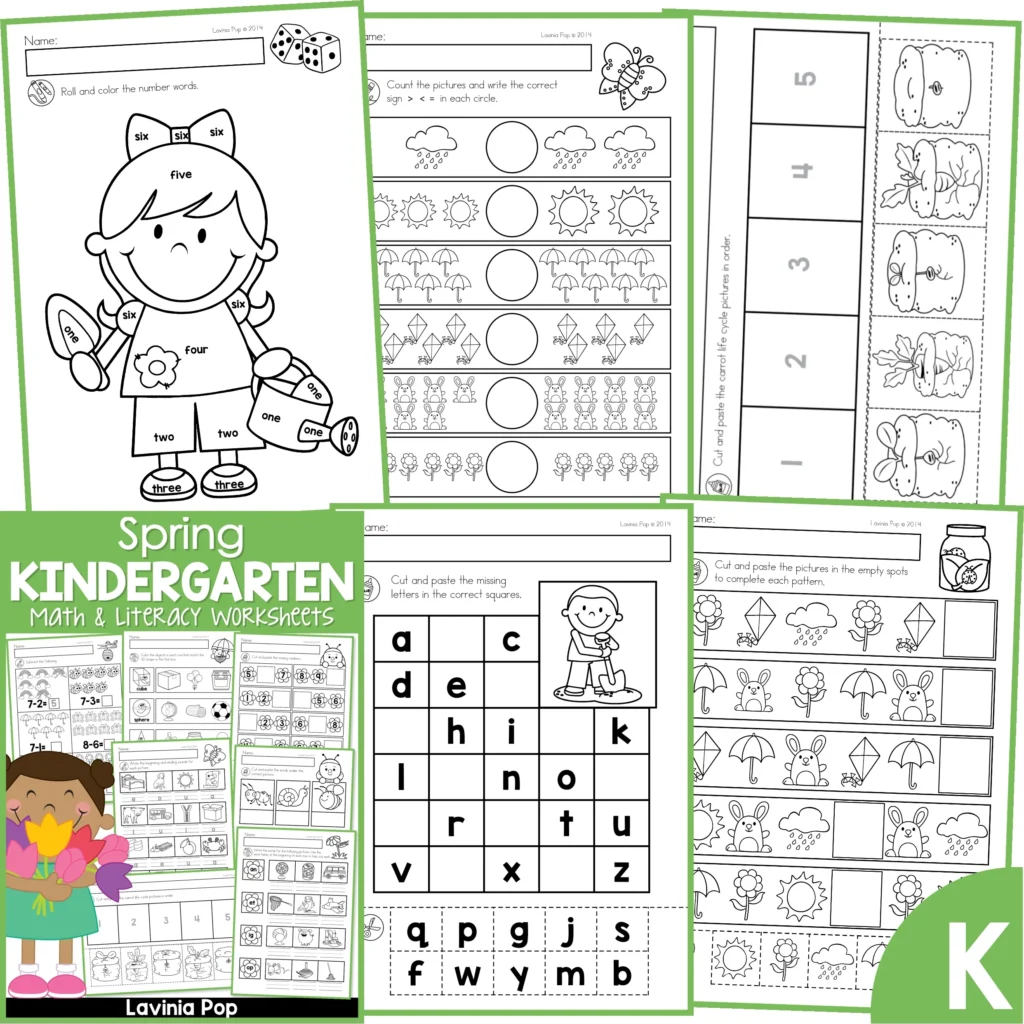
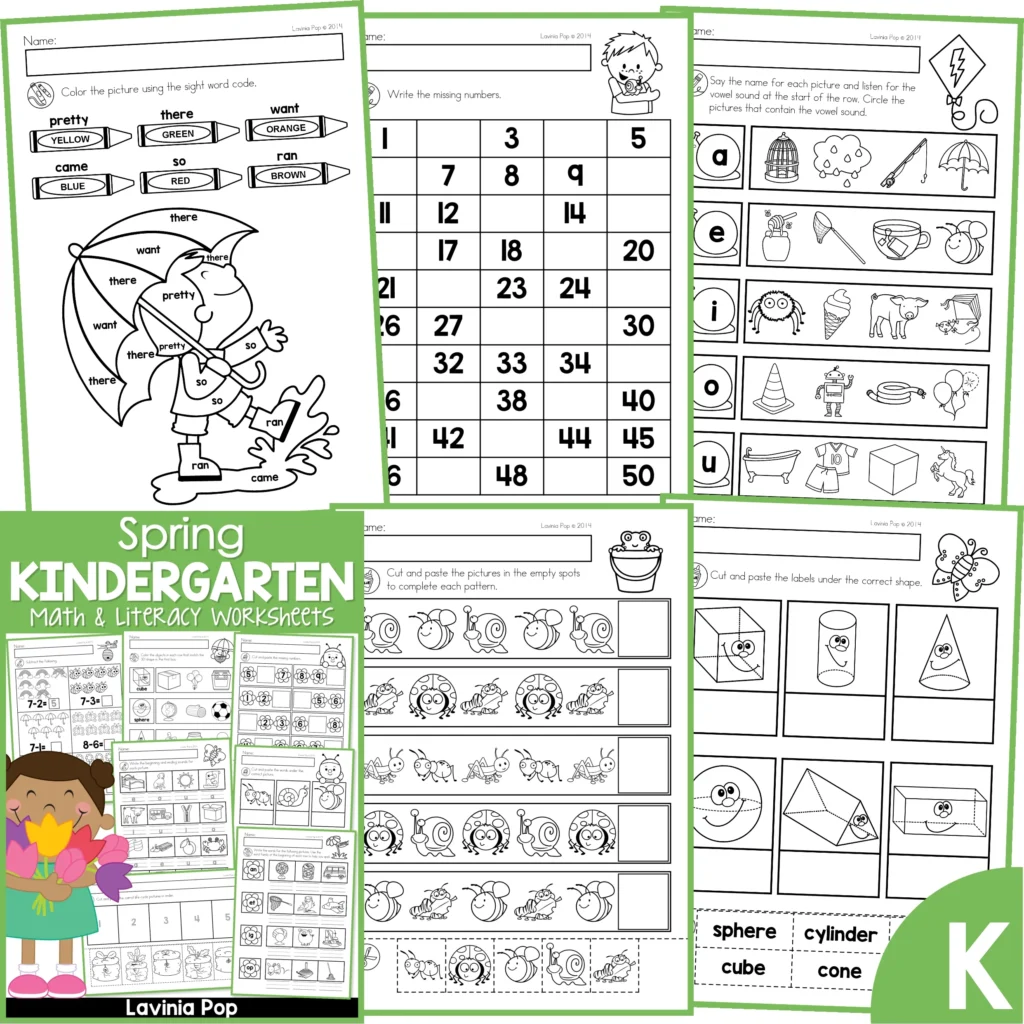
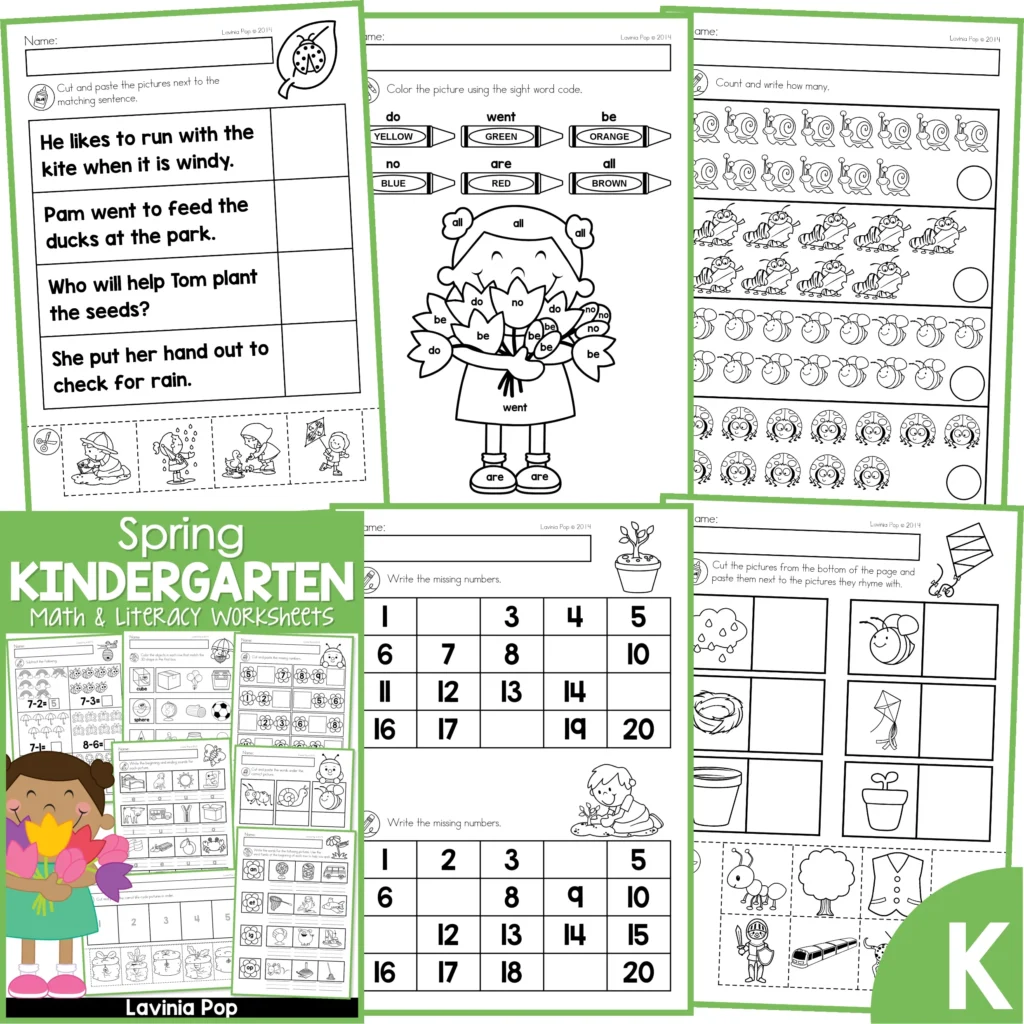
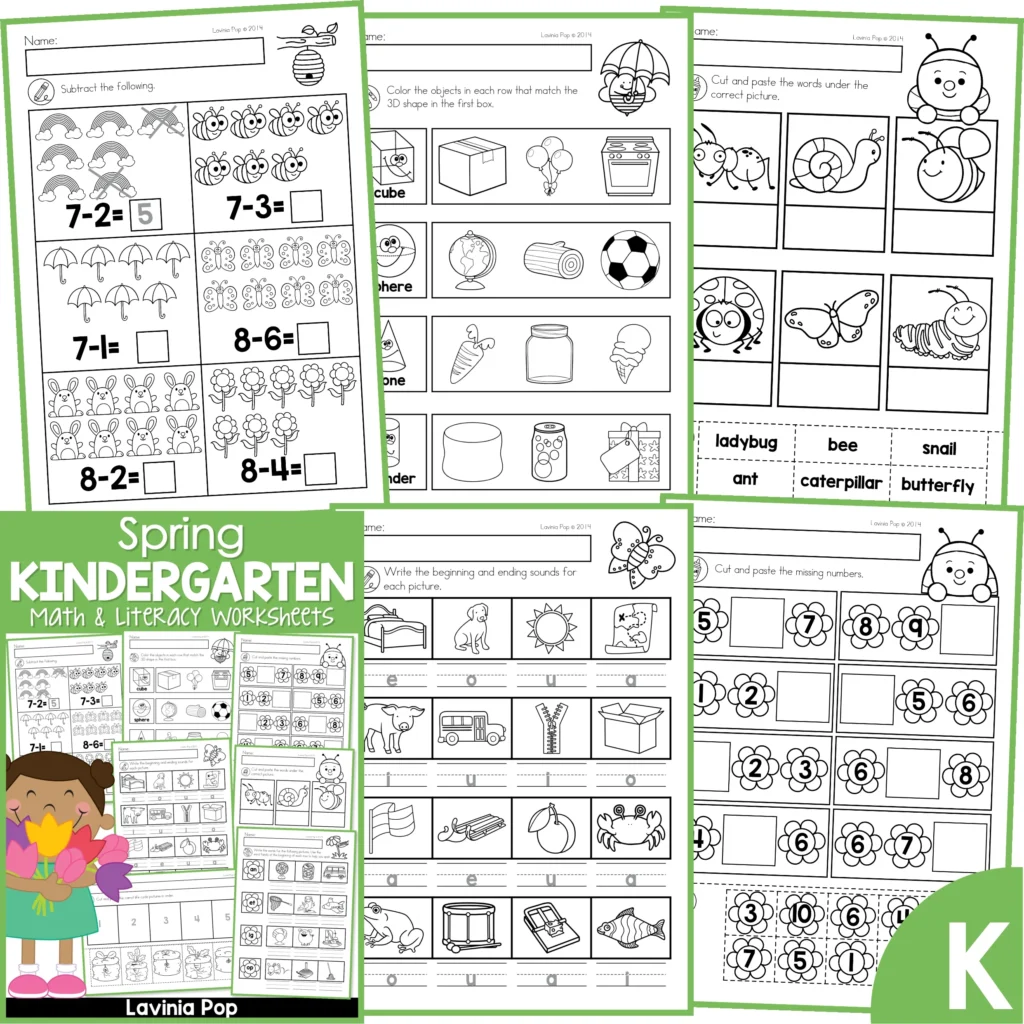
This collection of Spring Kindergarten Worksheets and Activities No Prep includes a wide range of literacy and math activities designed specifically for Kindergarten learners. The worksheets support phonics, sight words, number sense, shapes, and early problem solving while remaining easy for teachers to implement.
FREE Spring Worksheet Sample
If you would like to try these activities with your students, you can download a FREE sample of the Spring Kindergarten Worksheets and Activities here!
Literacy Activities Included in the Spring Kindergarten Worksheets
The literacy activities in the Spring Kindergarten Worksheets and Activities No Prep packet support early reading development through phonics, sight words, vocabulary, and sentence reading practice.
Alphabet and Word Skills
These activities strengthen foundational language skills.
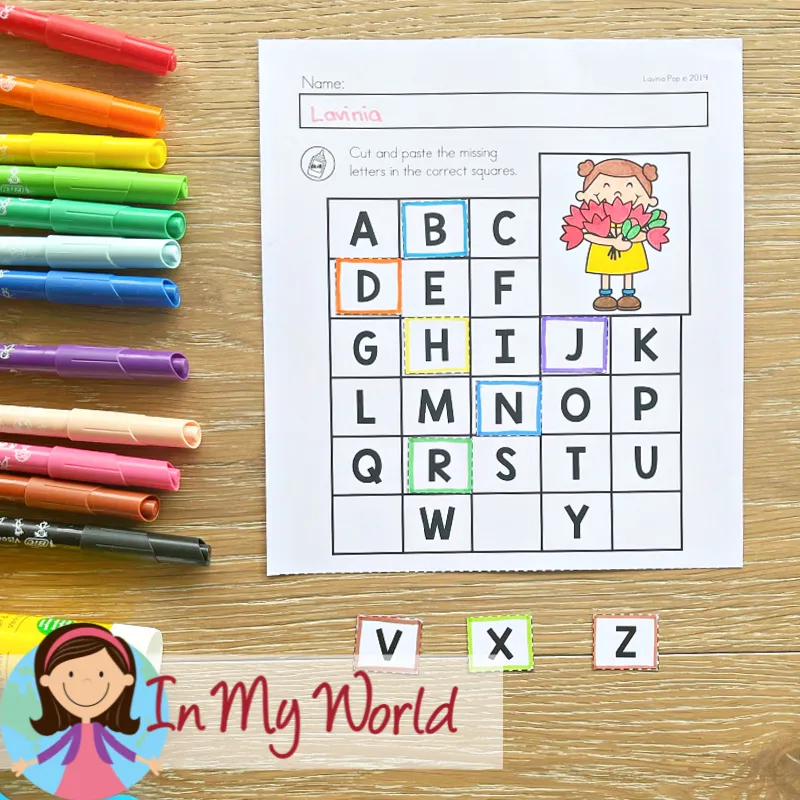
- Missing Uppercase and Lowercase Letters Cut and Paste (2 pages)
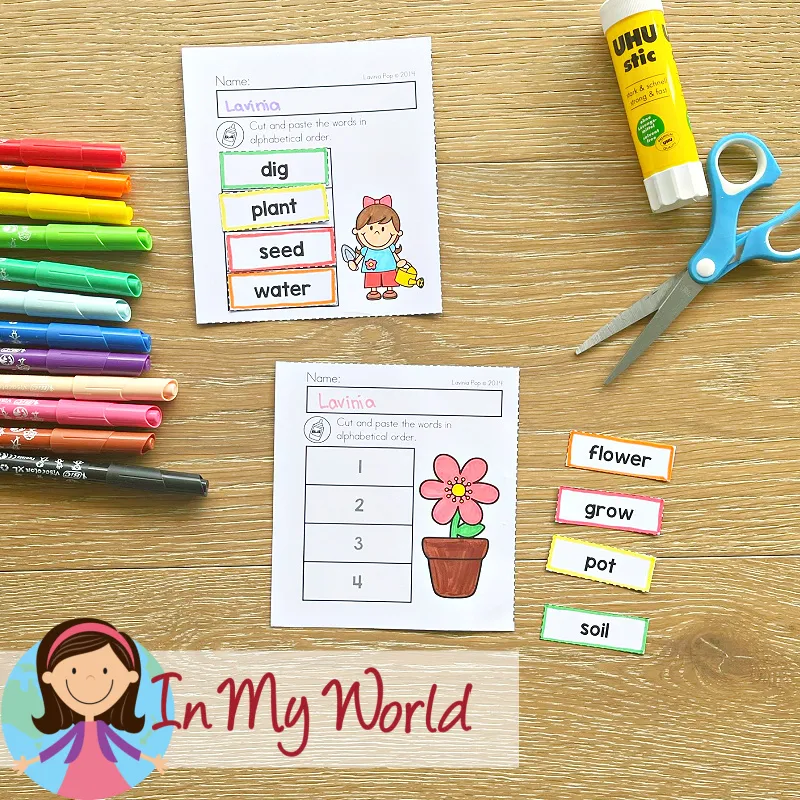
- Alphabetical Order (2 pages)
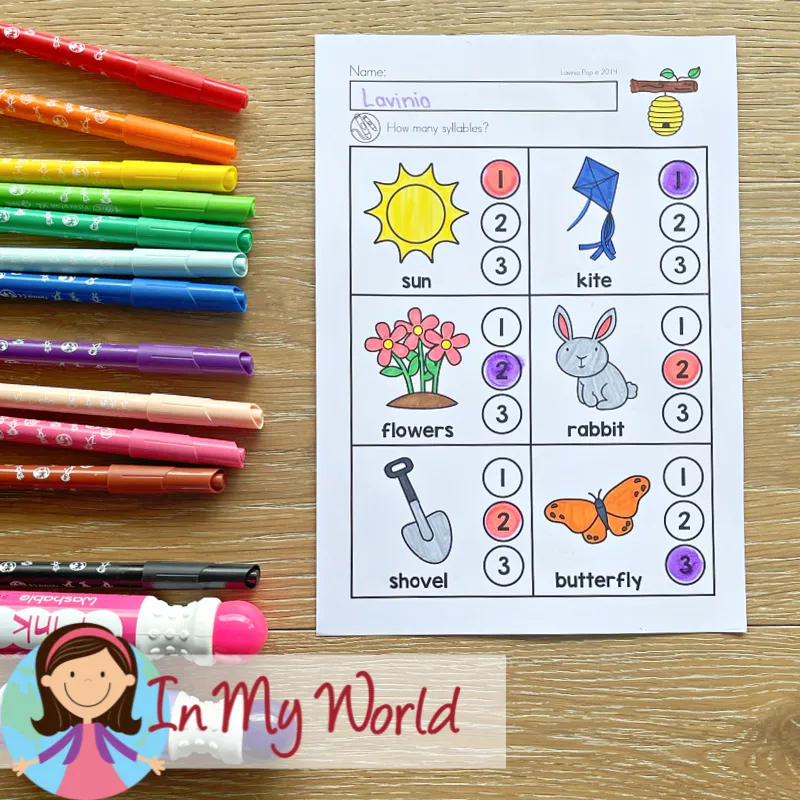
- Syllables
Phonics Activities
These worksheets help students practice letter sounds and early phonics patterns.
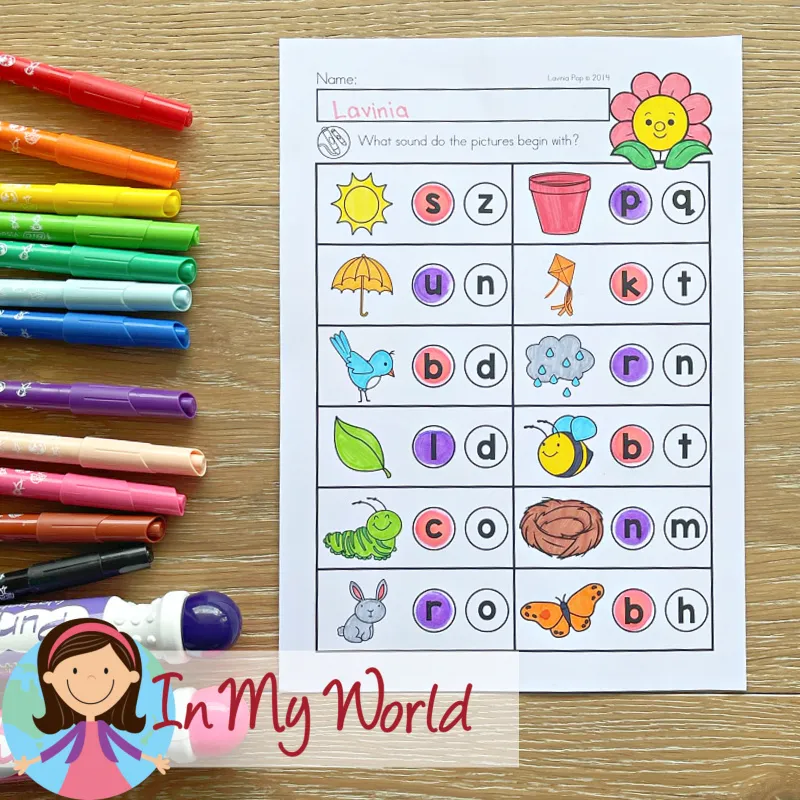
- Beginning Sounds
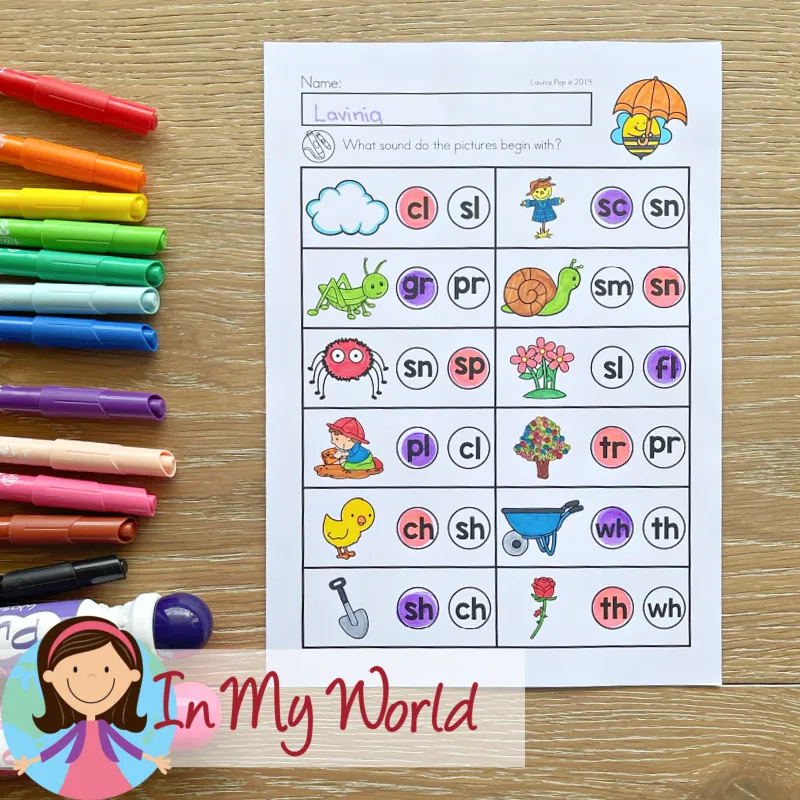
- Beginning Blends and Digraphs
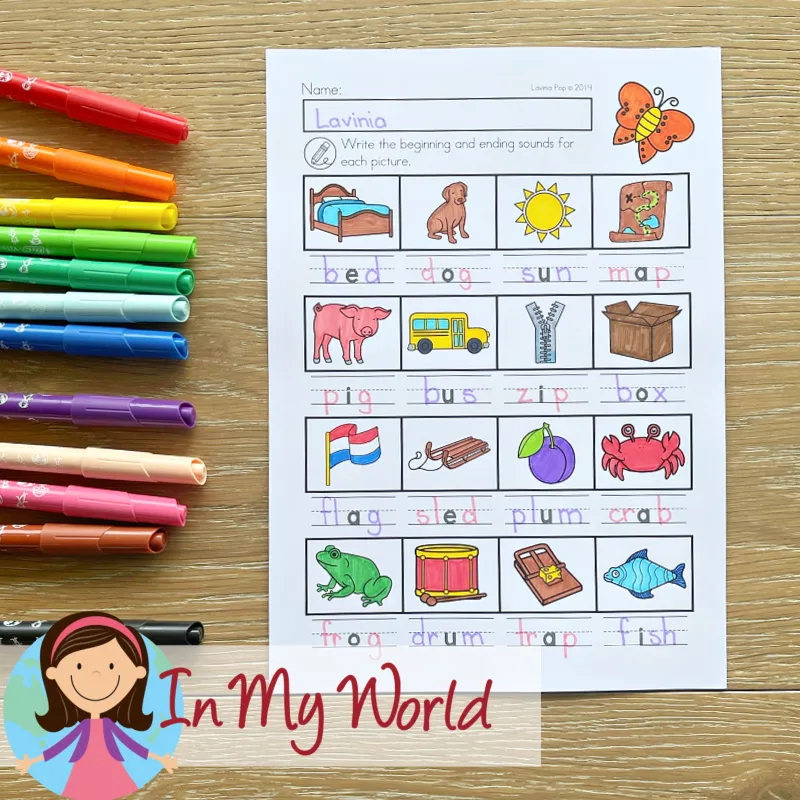
- Missing Beginning and Ending Sounds
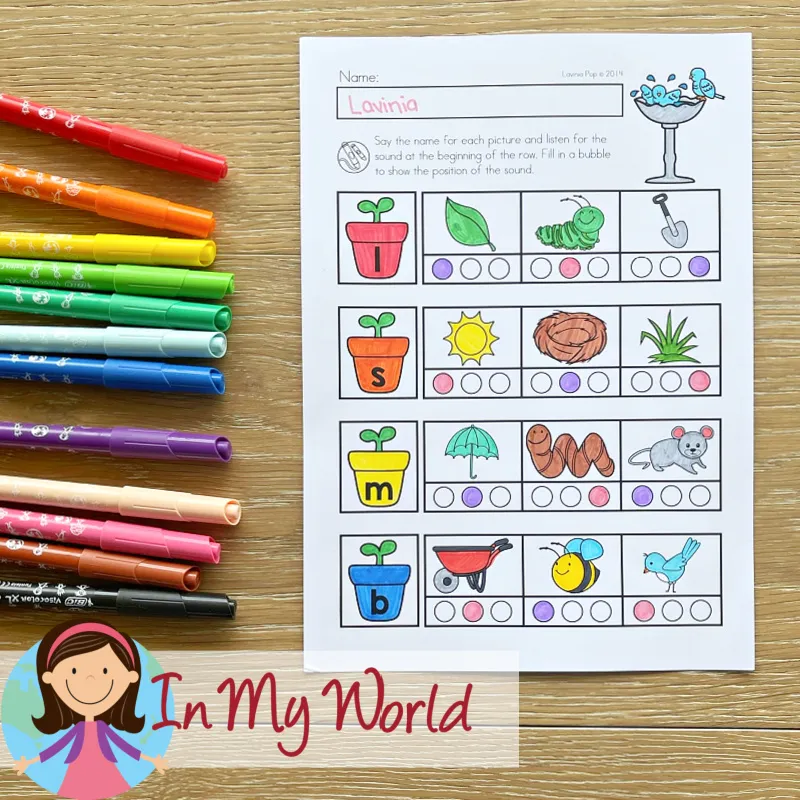
- Where’s the Consonant Sound?
- Long Vowels
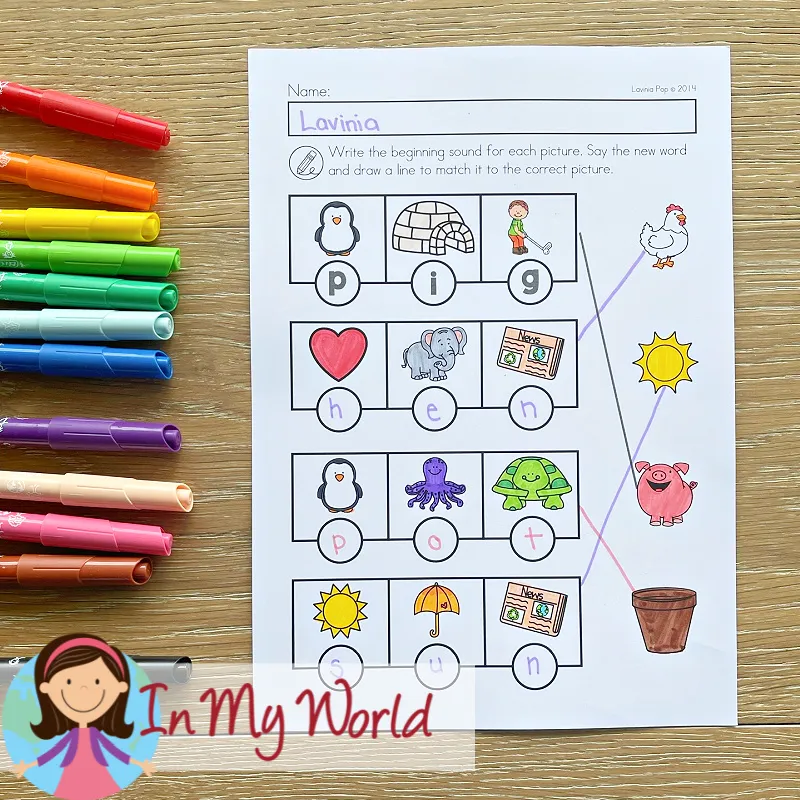
- Mystery CVC Word
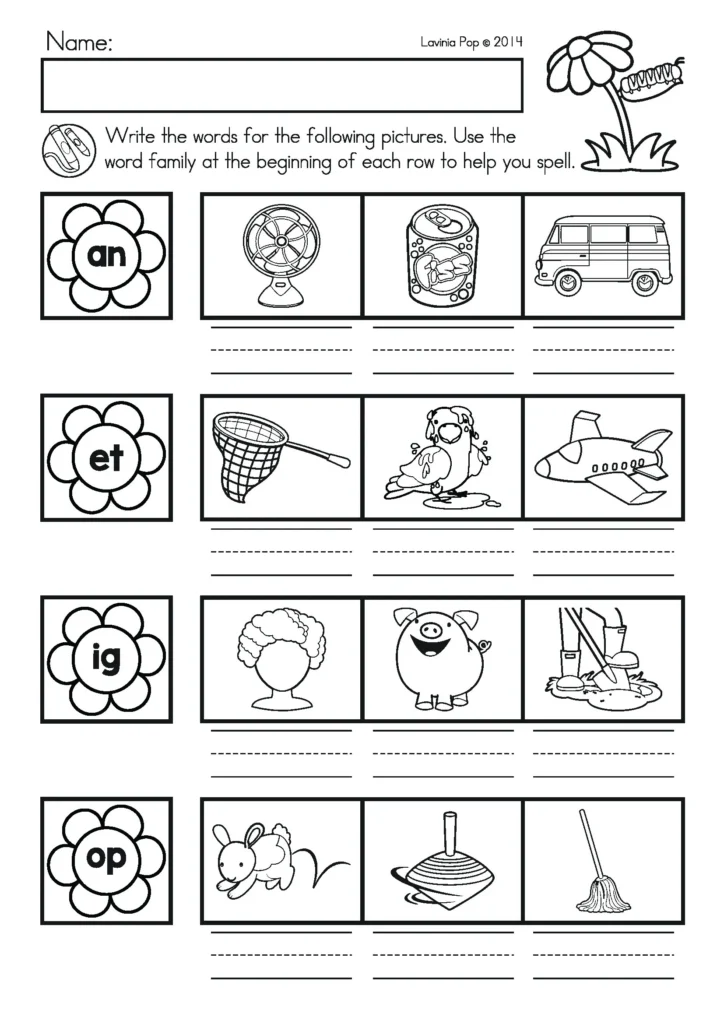
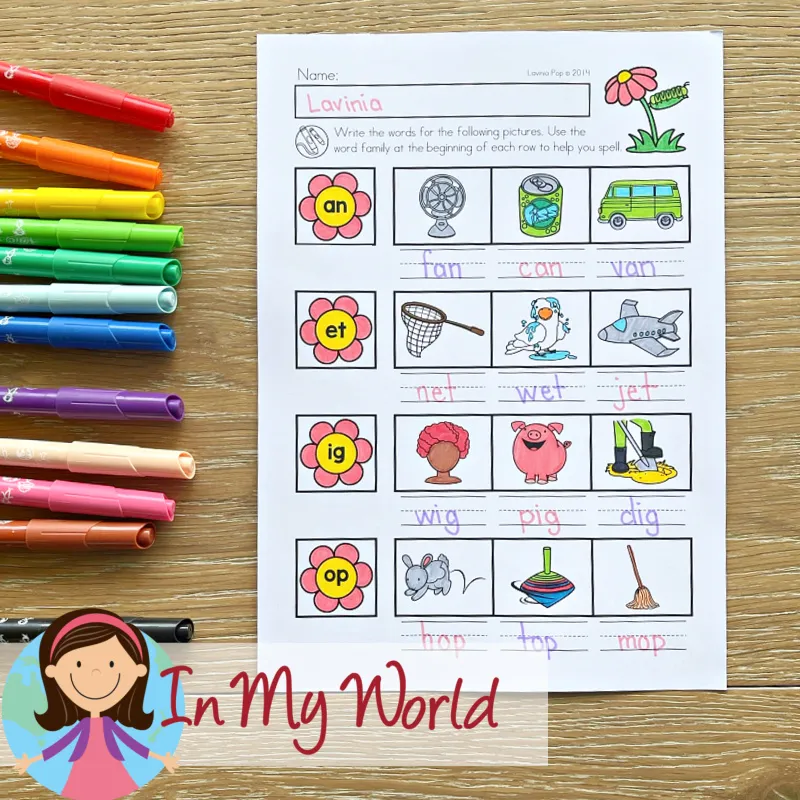
- CVC and CVCe Word Families (2 pages)
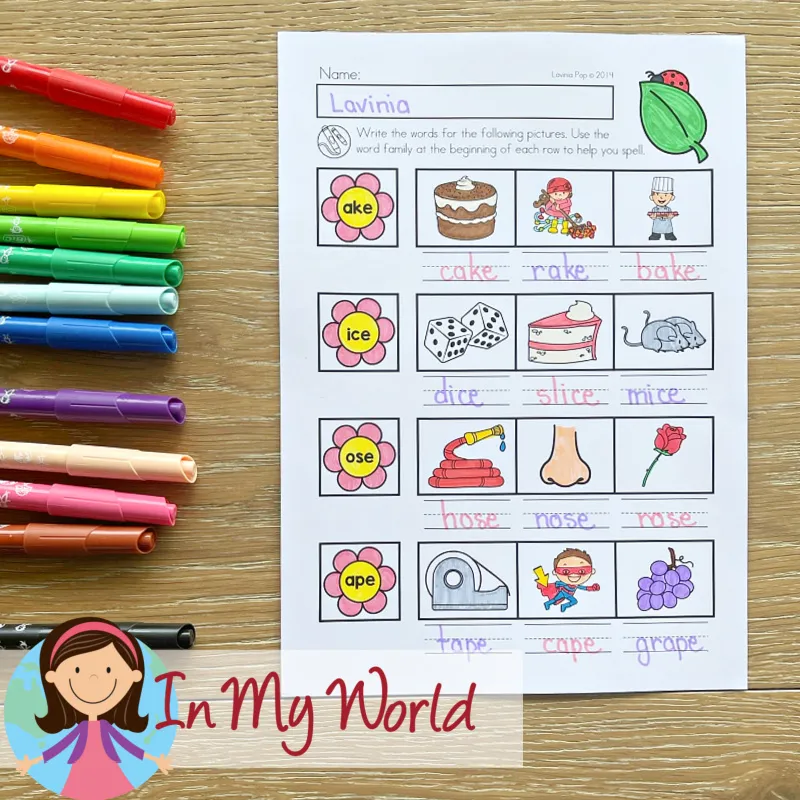
Word Building and Vocabulary
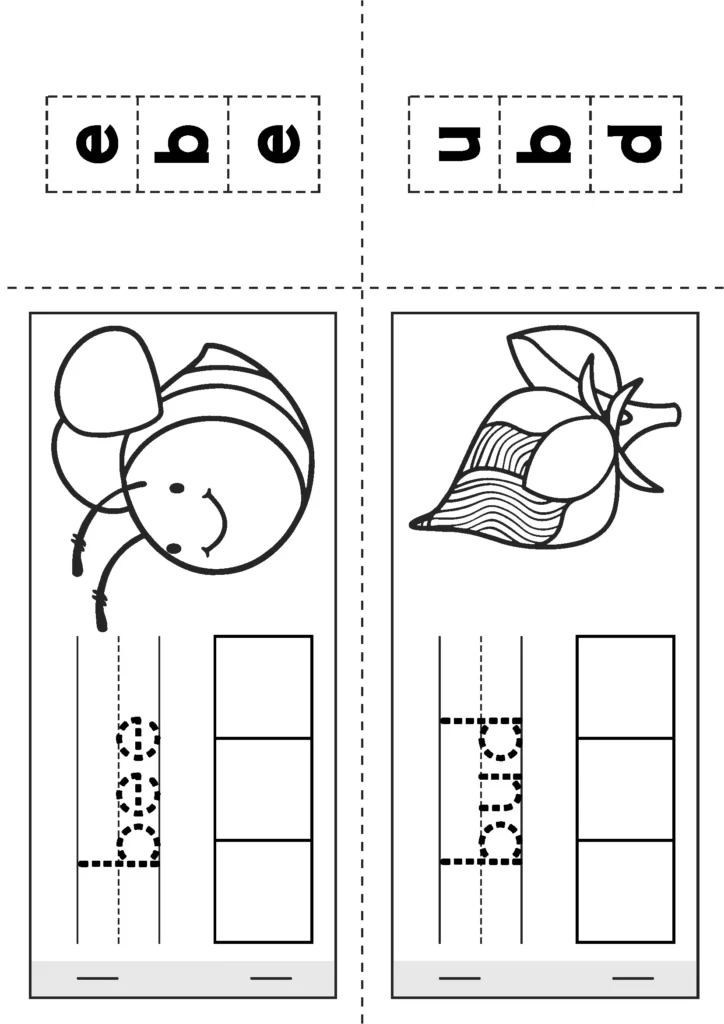
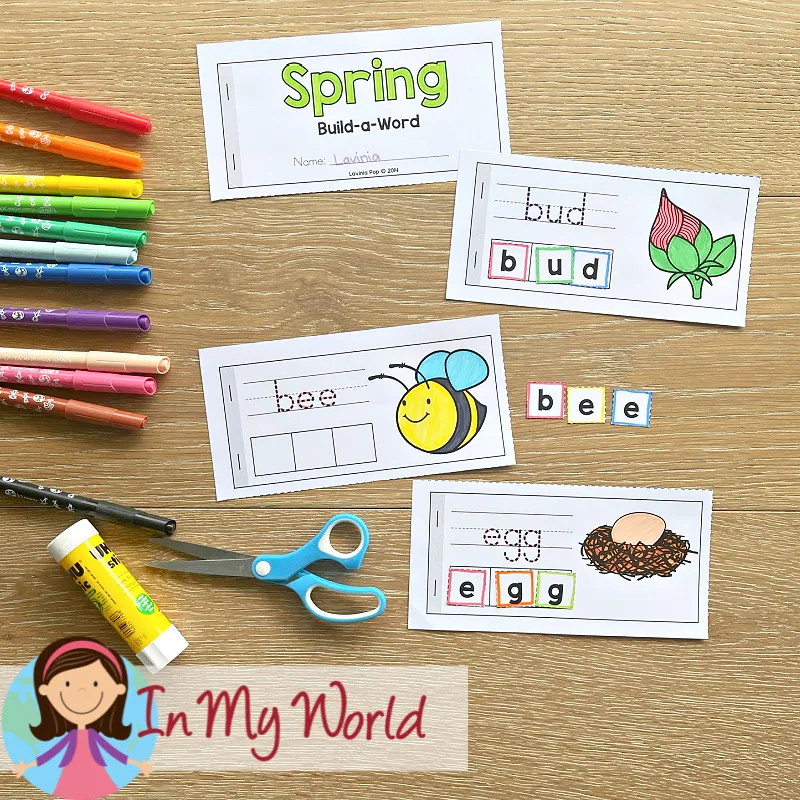
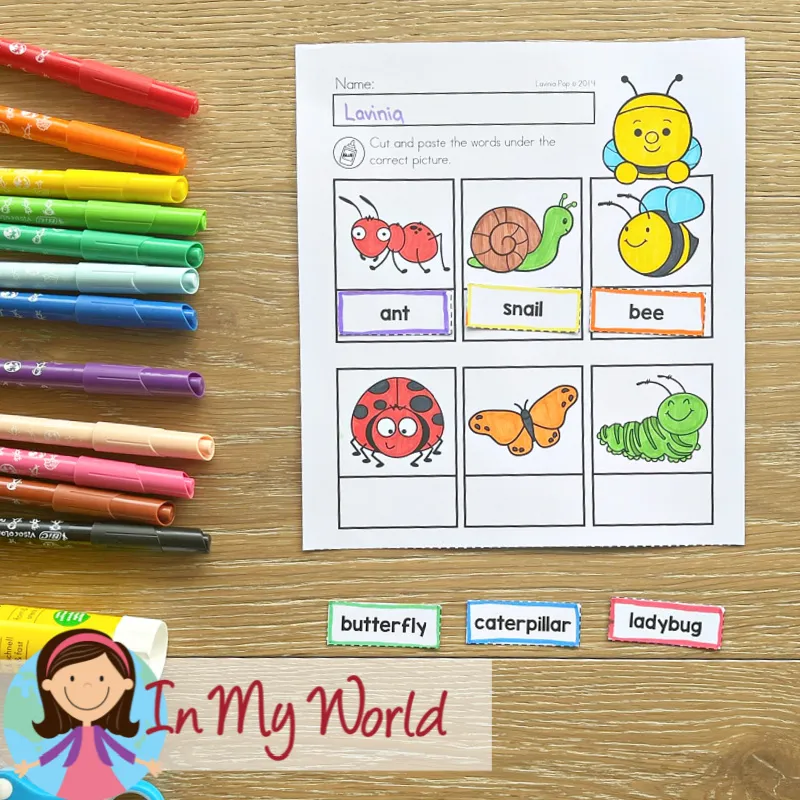
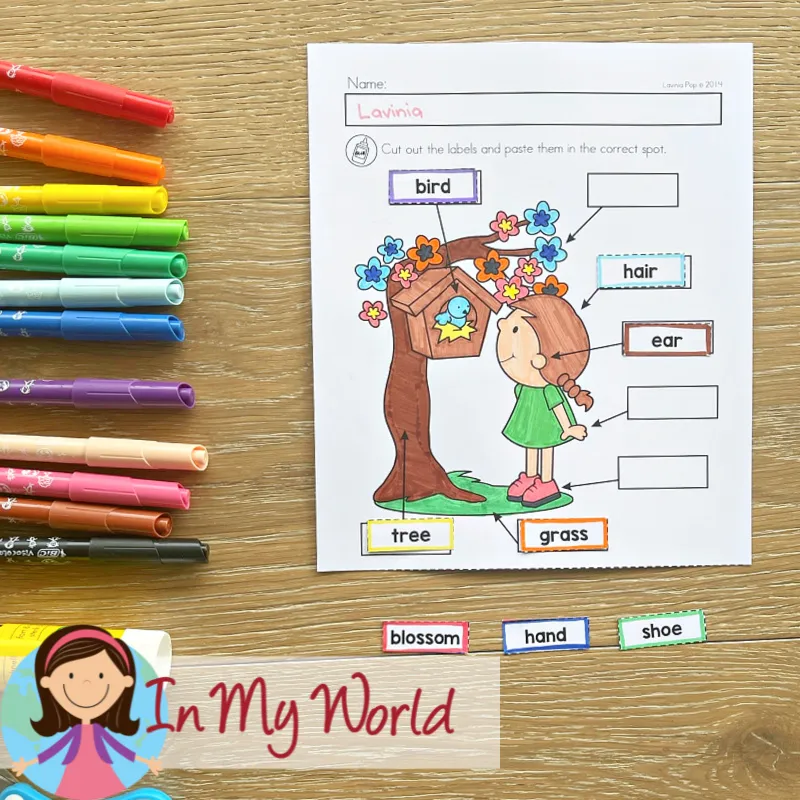
These activities help students build words and connect pictures to spelling patterns.
- Spring Build a Word Booklet (19 words)
- Bug and Word Match
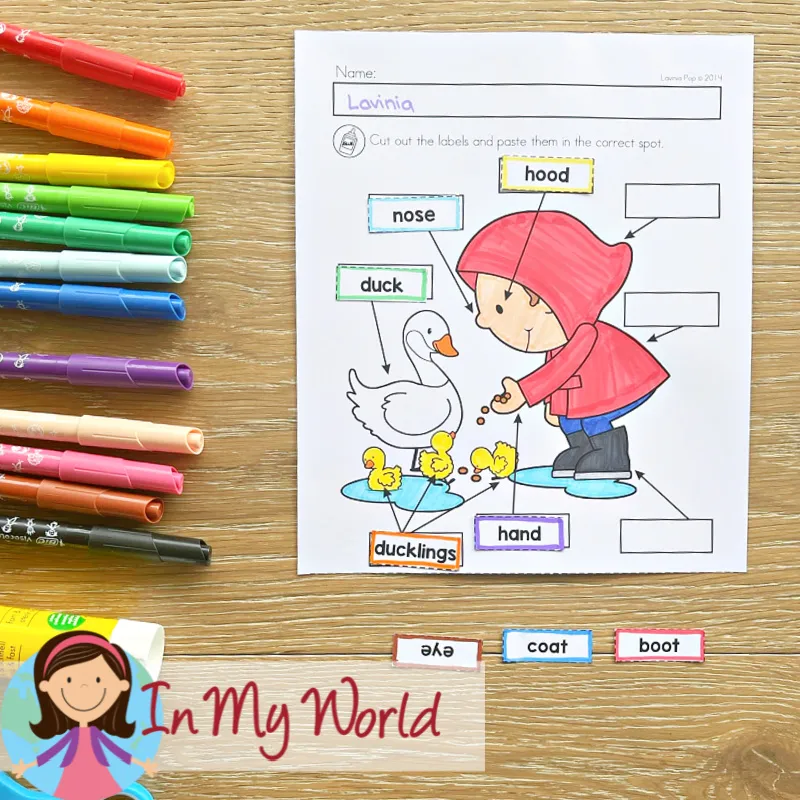
- Label the Spring Pictures (2 pages)
Rhyming and Word Families
Rhyming activities help students hear sound patterns in words.
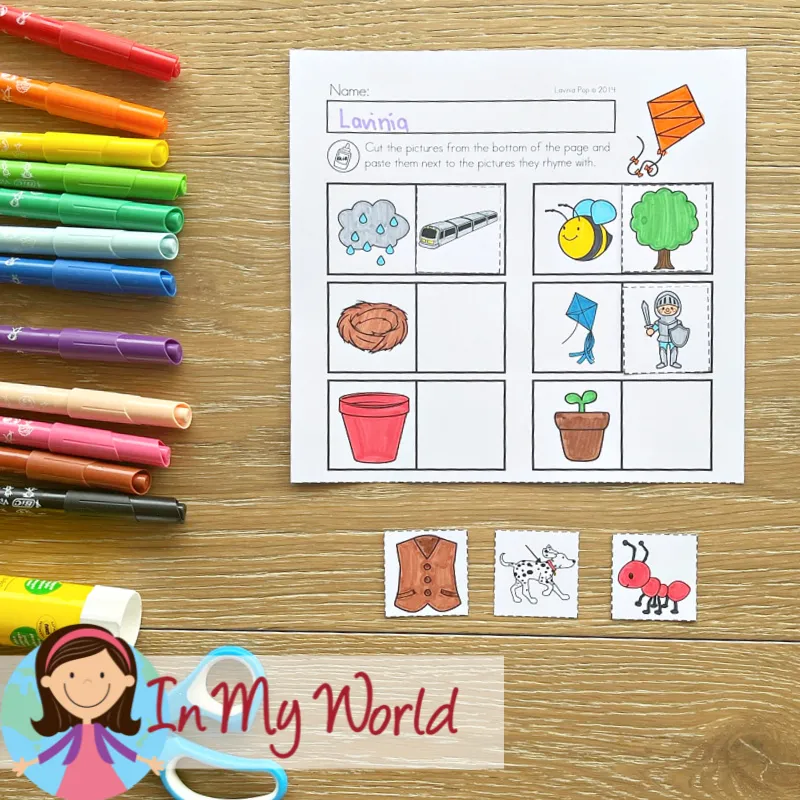
- Rhyming Cut and Paste
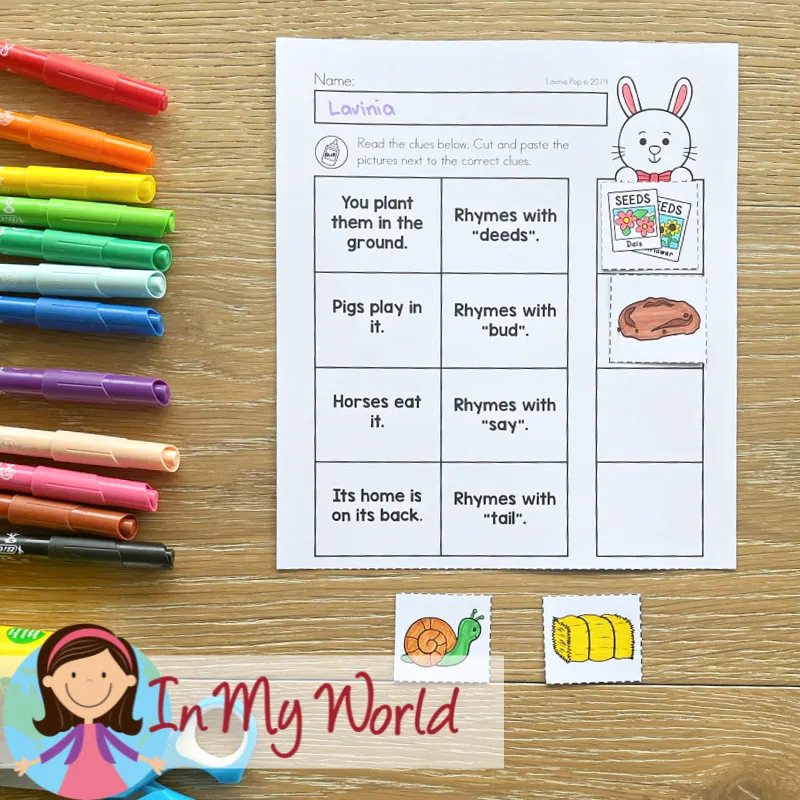
- Rhyming Clues Cut and Paste
Sight Word Activities
Students practice reading and recognizing high frequency words from the Primer sight word list.
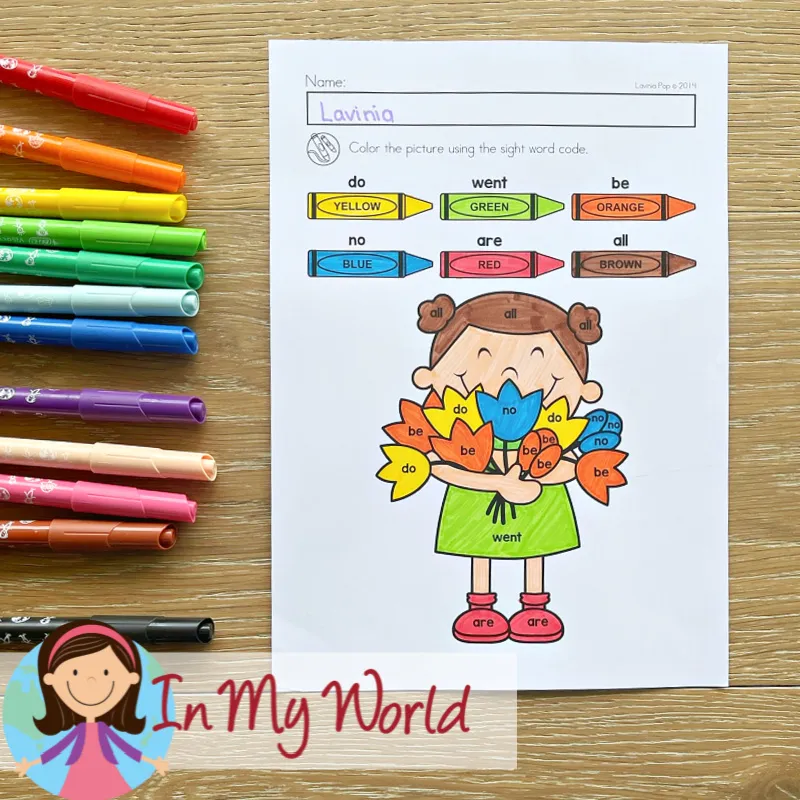
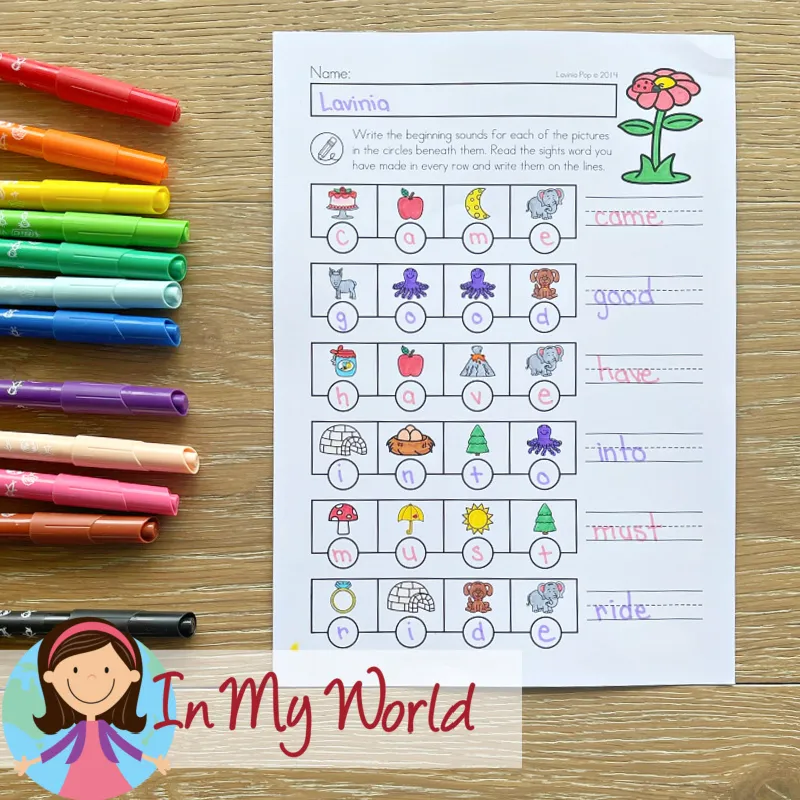
- Color by PRIMER Sight Words (3 pages)
- Mystery PRIMER Sight Words
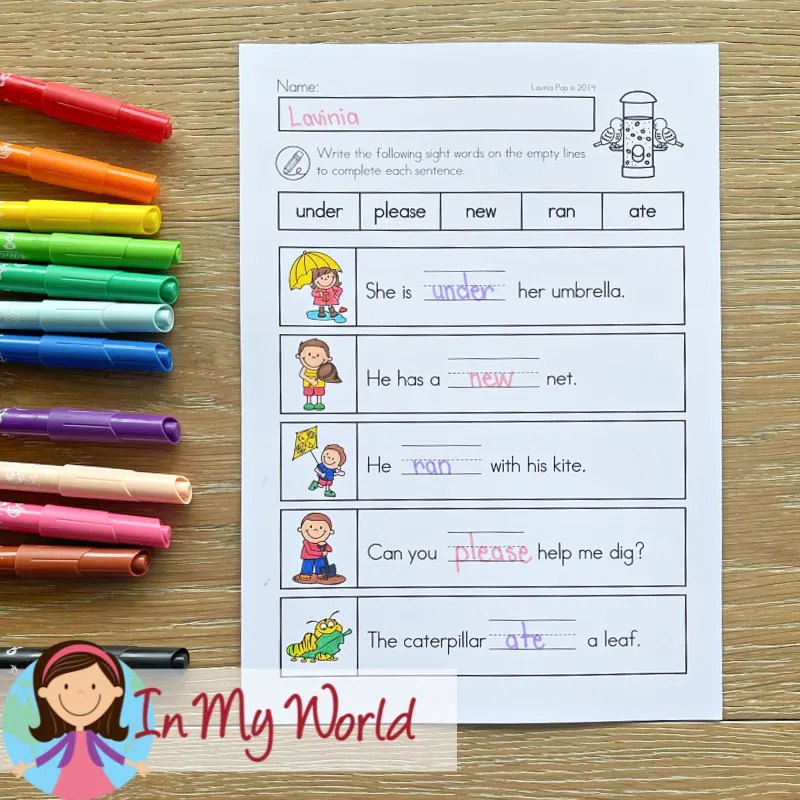
- Missing PRIMER Sight Words
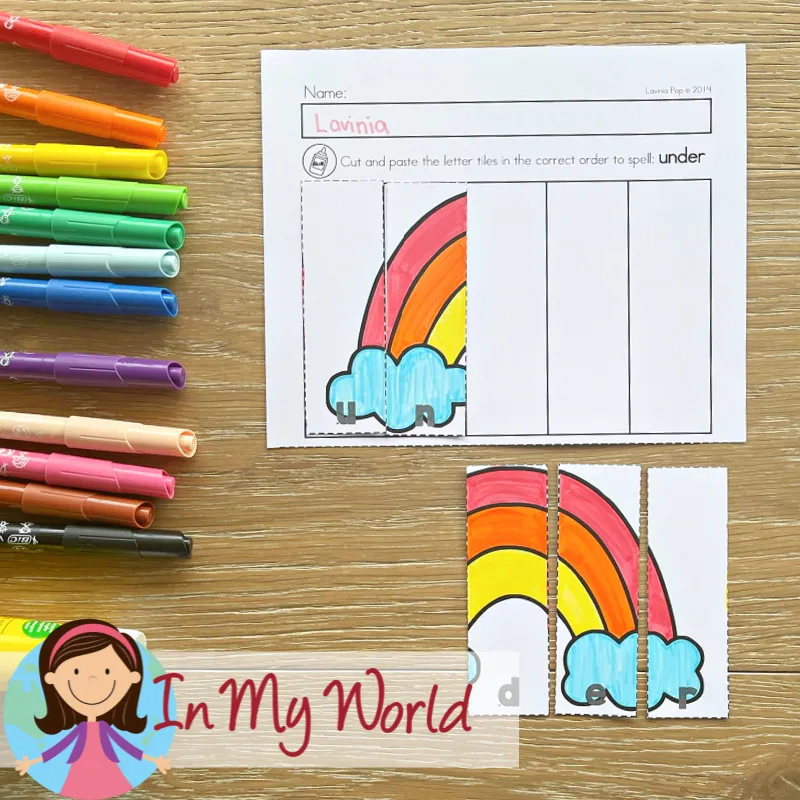
- Picture Scramble PRIMER Sight Words Cut and Paste (3 pages)
Reading and Sentence Activities
These worksheets help students practice sentence reading and comprehension.
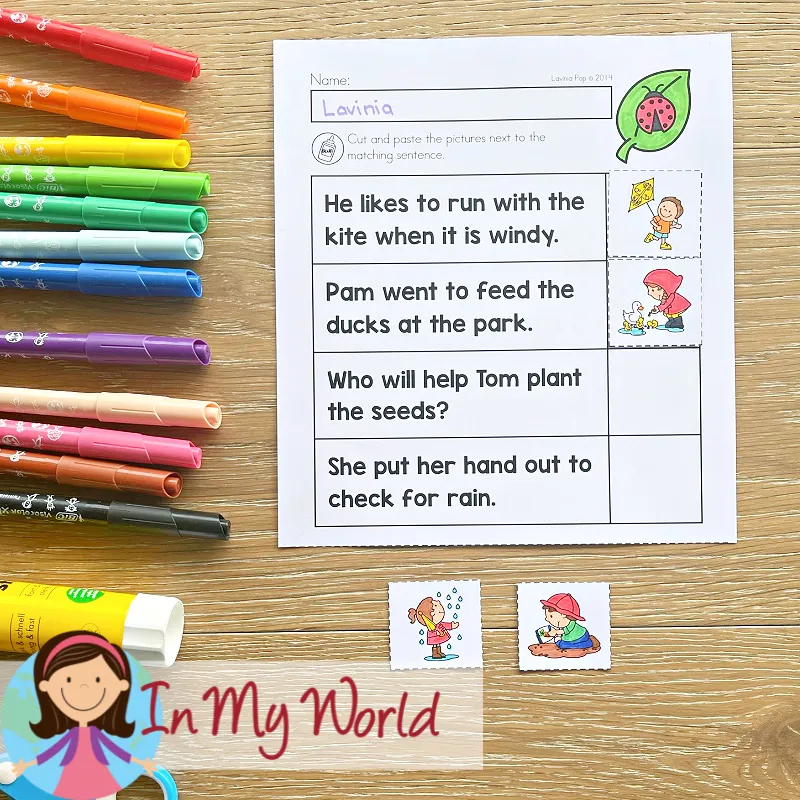
- Sentence and Picture Match
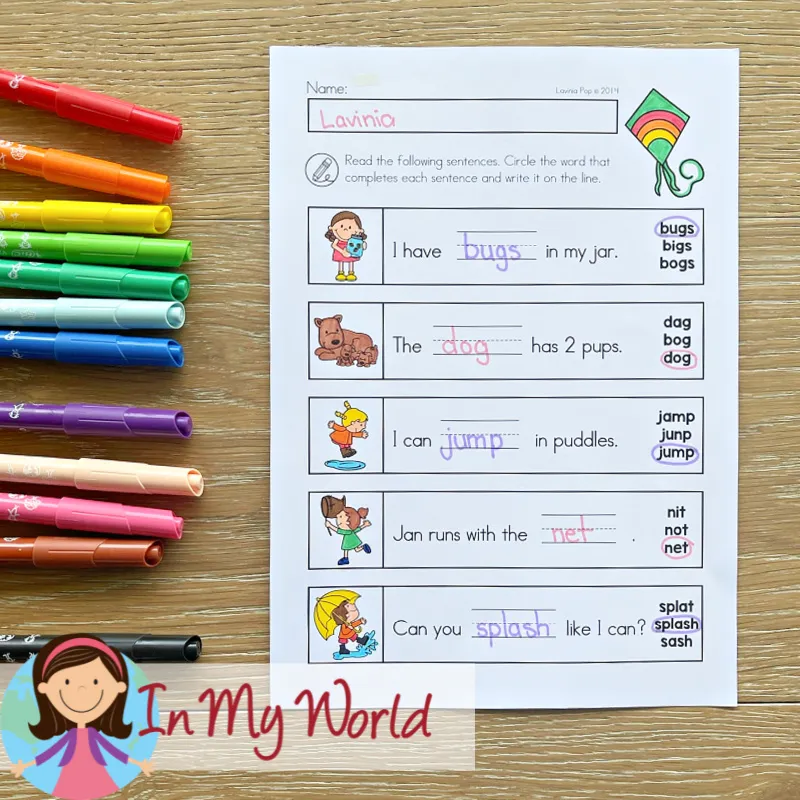
- Write the Missing Word
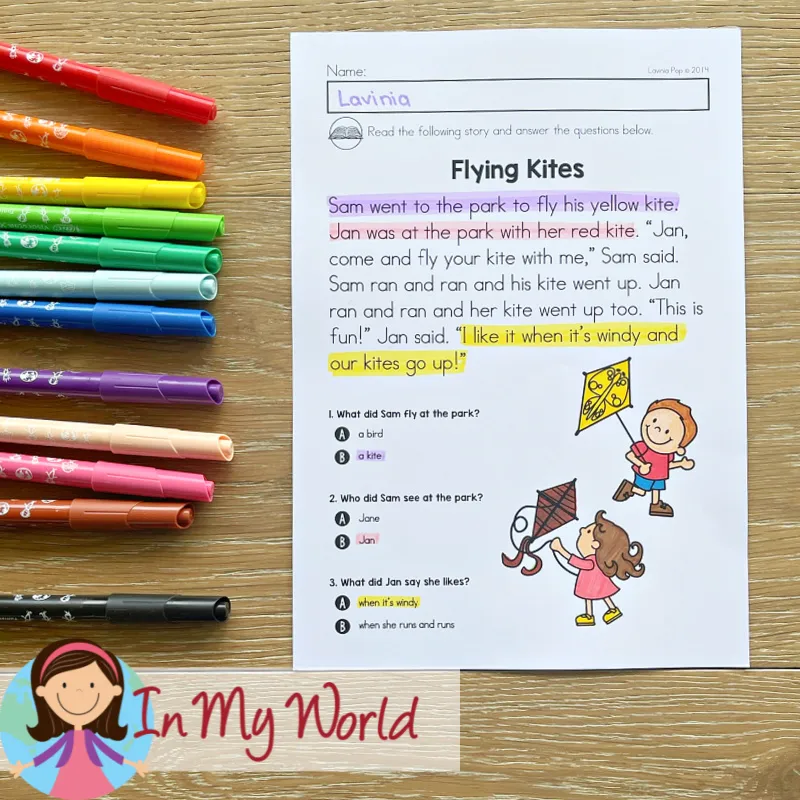
- Reading Comprehension
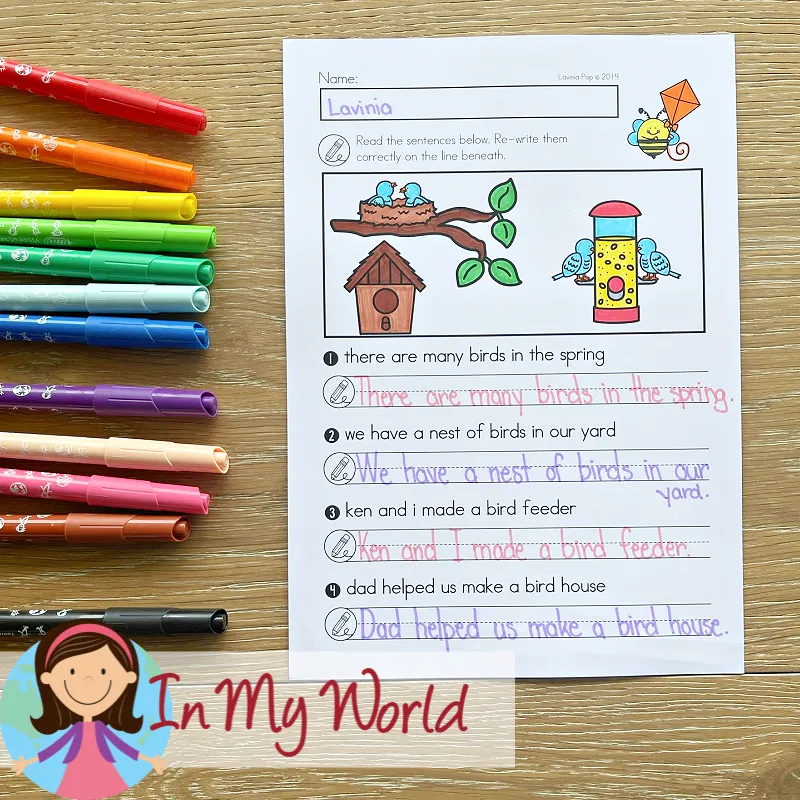
- Fix the Sentence
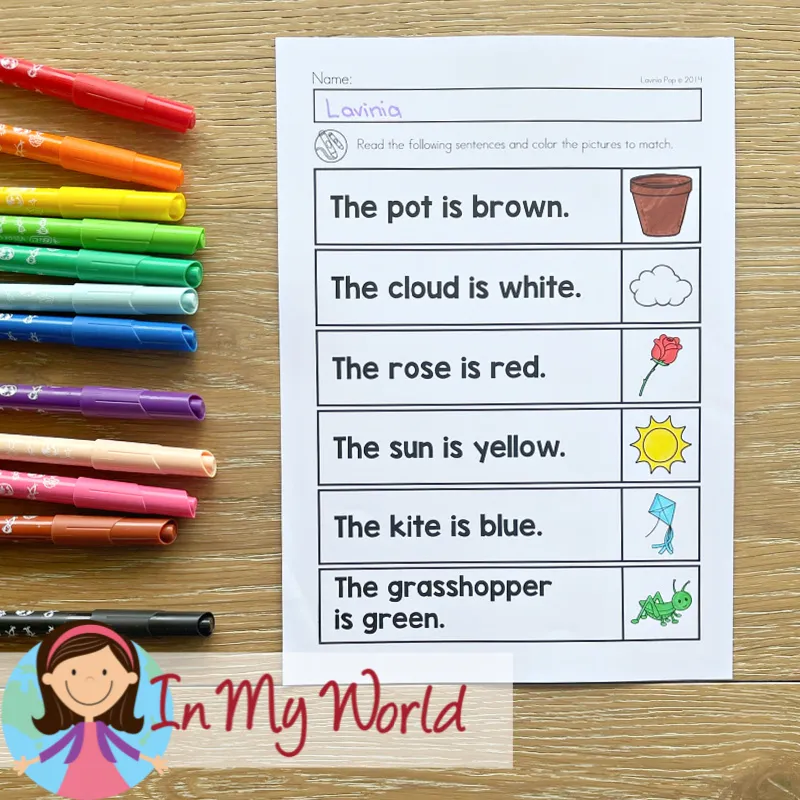
- Color Words
Math Activities Included in the Spring Kindergarten Worksheets
The math worksheets in the Spring Kindergarten Worksheets and Activities No Prep packet focus on number sense, counting, shapes, and early problem solving.
Number Sense and Counting
These activities help students practice counting, number recognition, and number order.
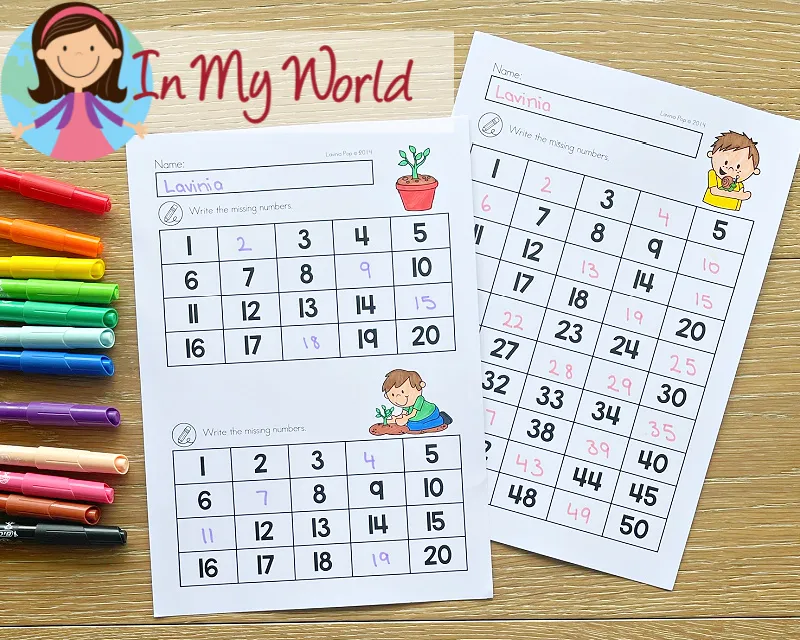
- Count and Write How Many
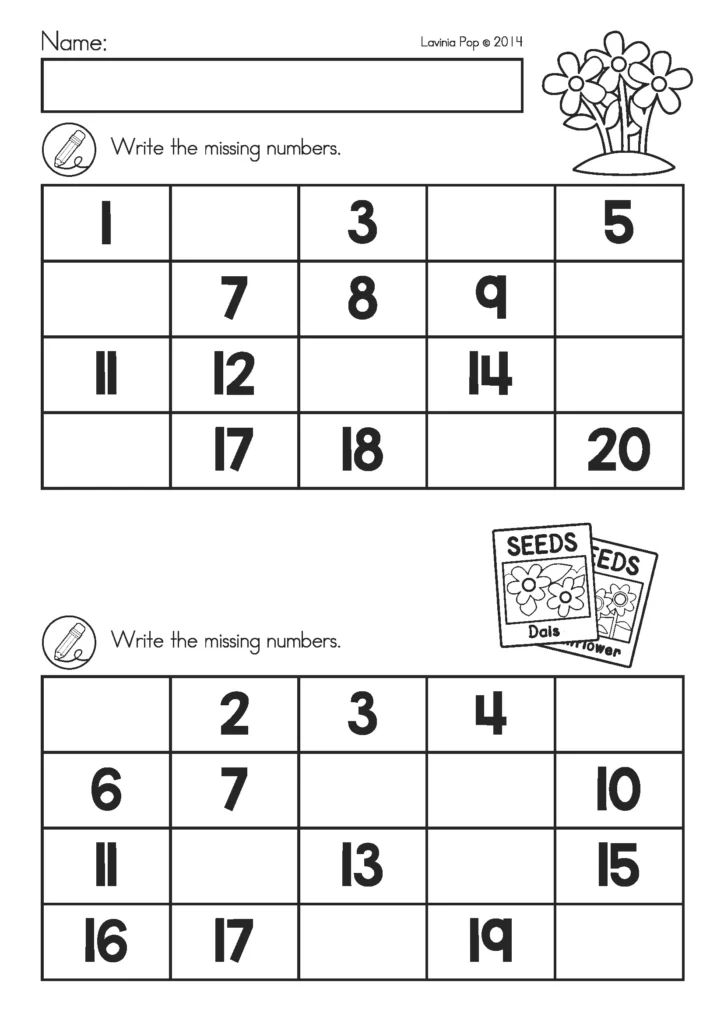
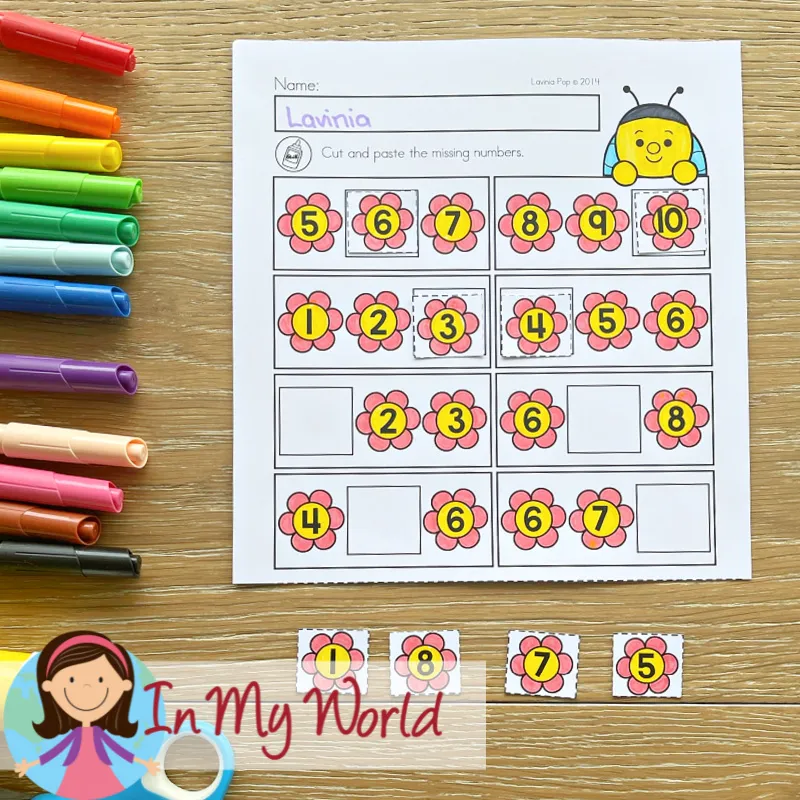
- Write the Missing Numbers (3 pages)
- Missing Numbers Cut and Paste 1–20 (2 pages)
Skip Counting
Students practice recognizing number patterns.
- Skip Counting by 2s, 5s, and 10s
Addition and Subtraction Concepts
These worksheets support early subtraction using visual models.
- Subtraction (3 pages)
Comparing Numbers
Students practice identifying number relationships.
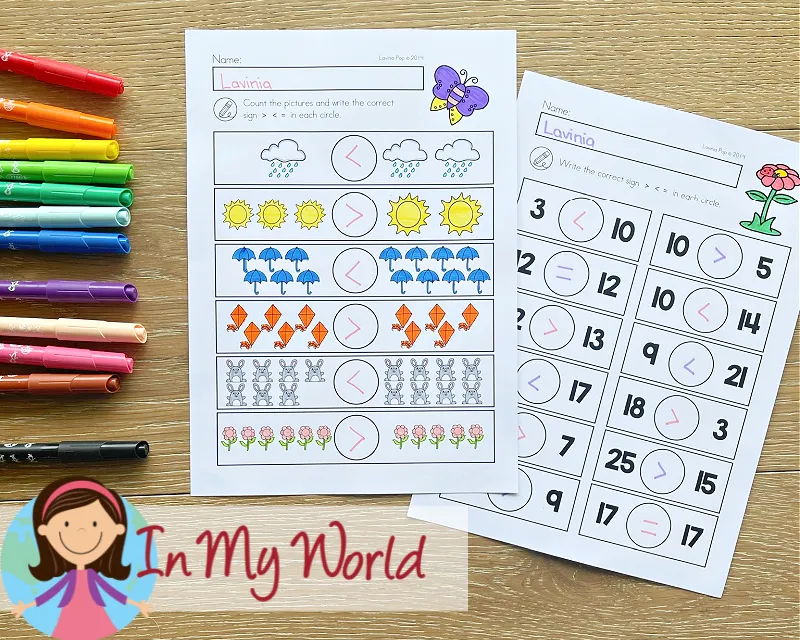
- Greater Than, Less Than, Equal To (3 pages)
- Easter Egg Greater Number Pattern
Place Value
Students explore tens and ones using visual base ten blocks.
- Place Value with Base Ten Blocks (2 pages)
Shapes and Geometry
Students learn about 2D and 3D shapes and their properties.
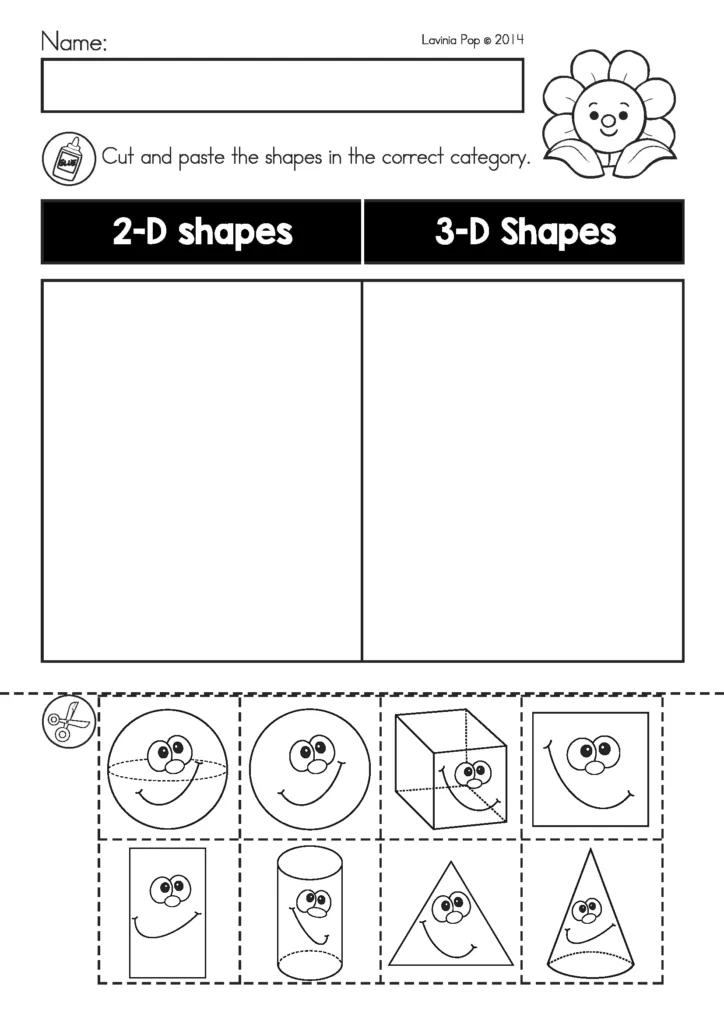
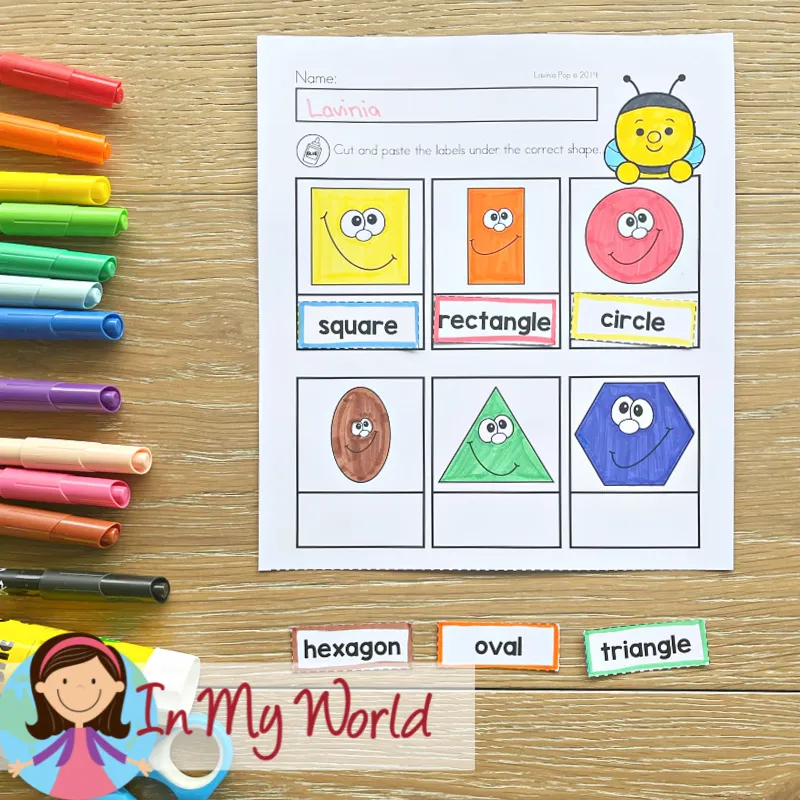
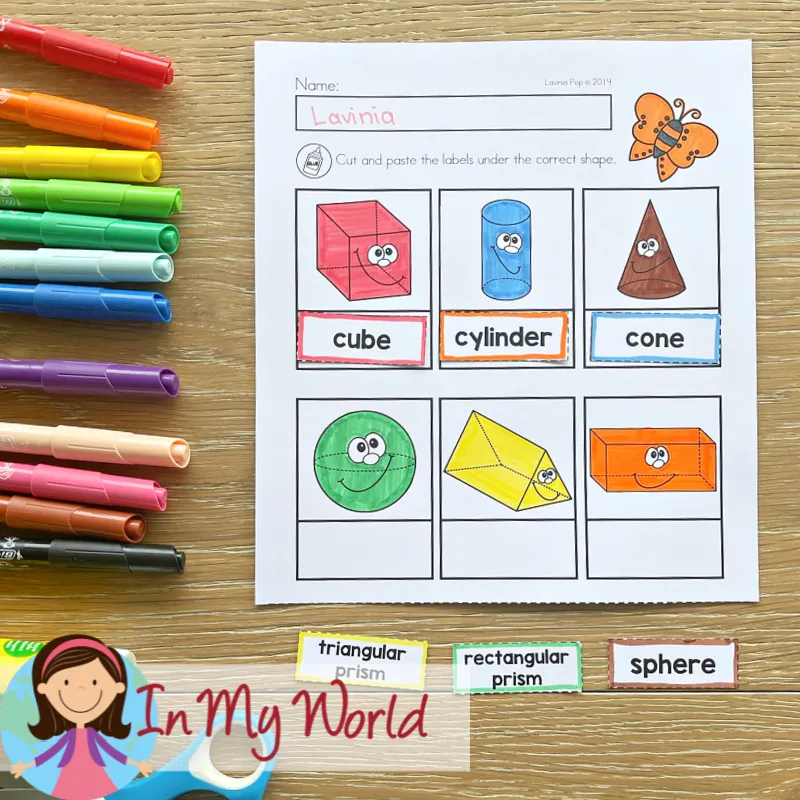
- 2D and 3D Shapes Labeling Cut and Paste (2 pages)
- Identifying 3D Shapes in Real Life
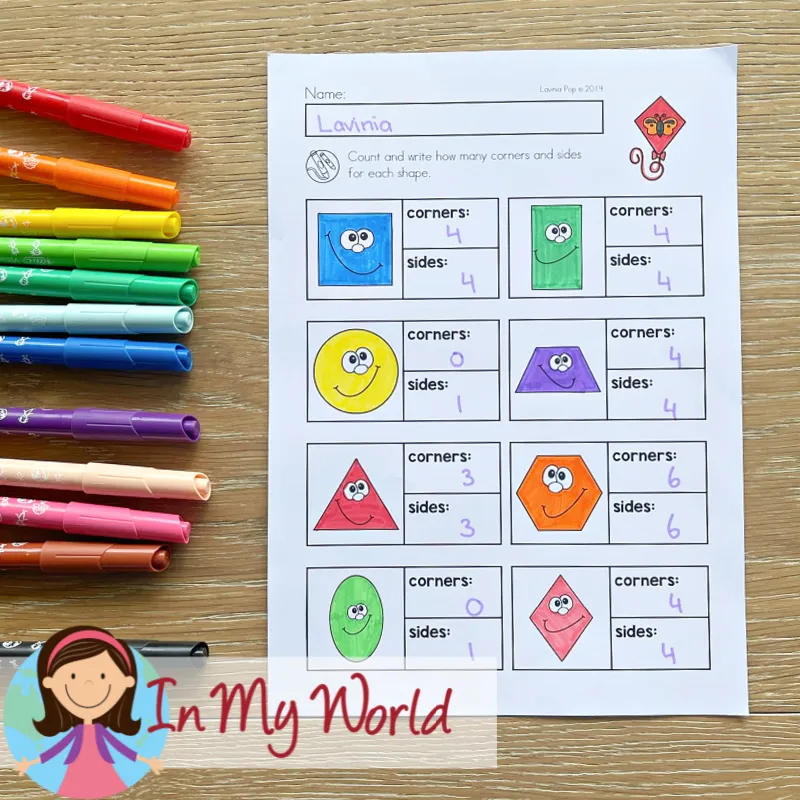
- Shape Corners and Sides
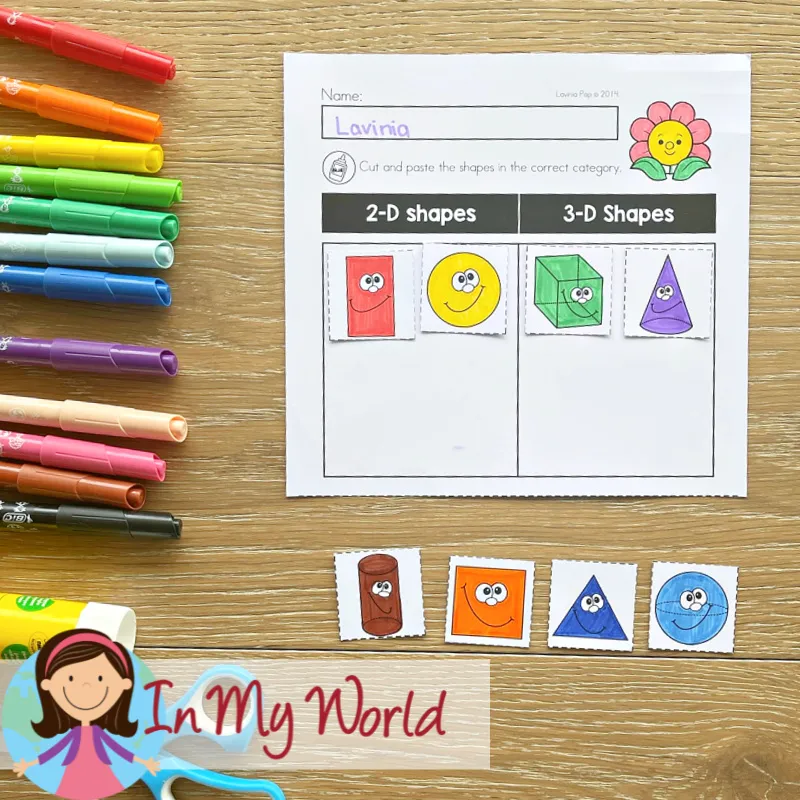
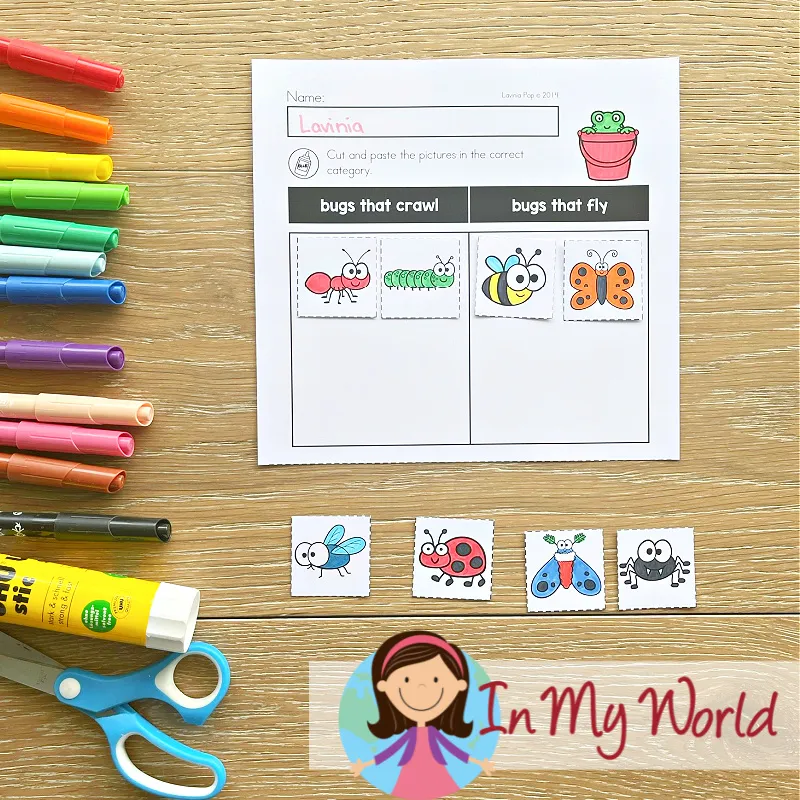
- 2D and 3D Shape Sorting
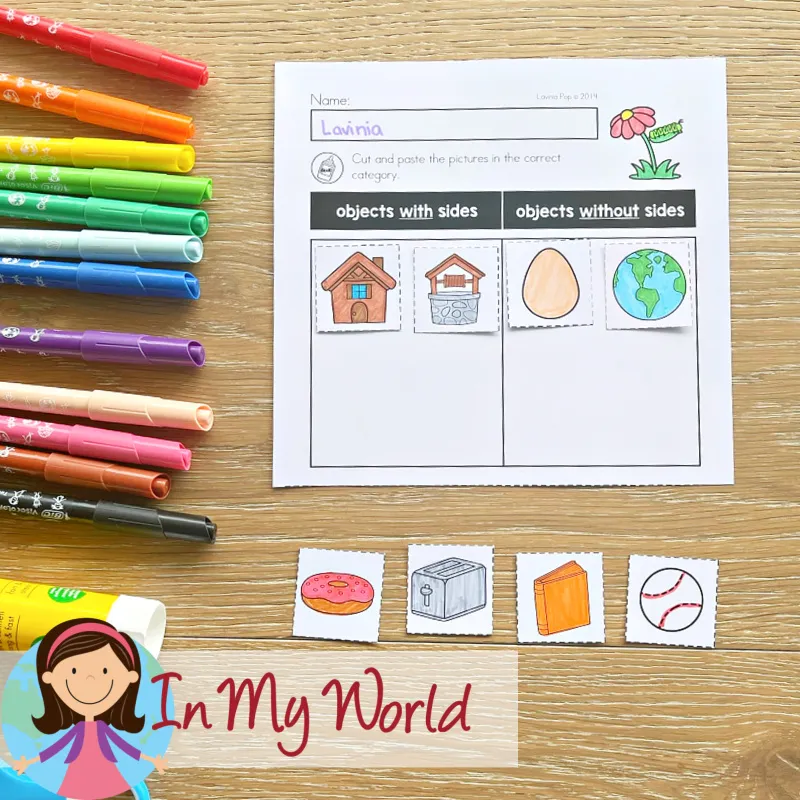
- Object Sorting: With Sides / Without Sides
Sorting and Classification
- Students categorize objects based on features.
Time and Positional Words
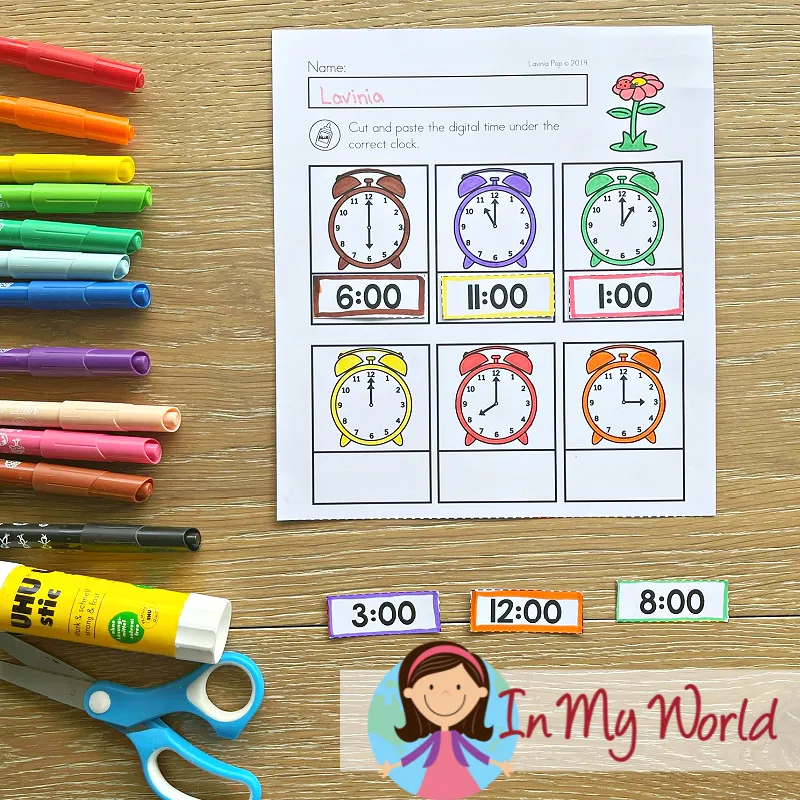
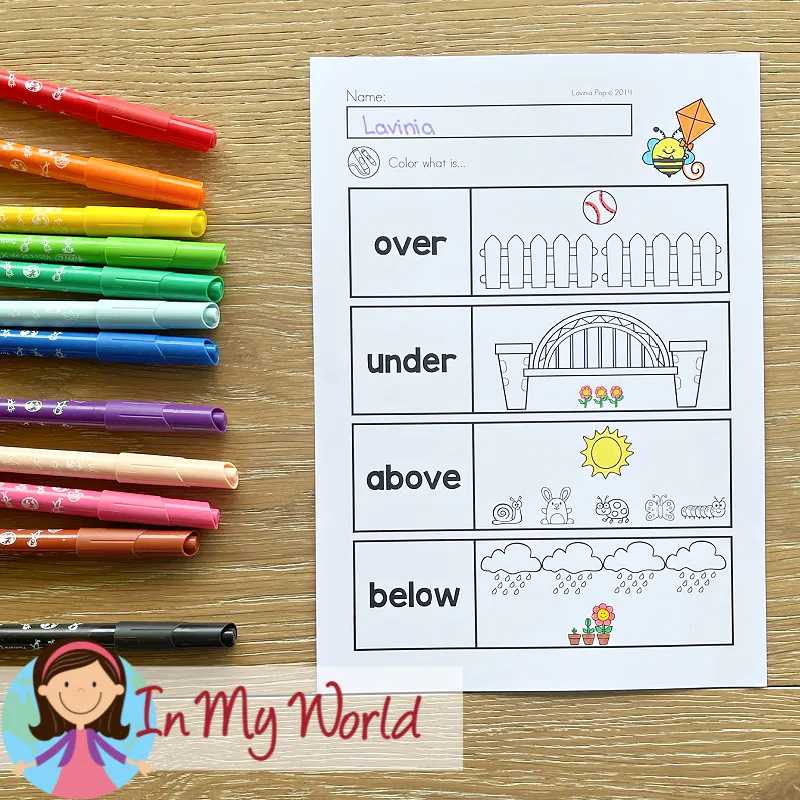
These activities introduce early math vocabulary.
- Telling Time to the Hour (2 pages)
- Positional Words (over, under, above, below)
Graphing and Data
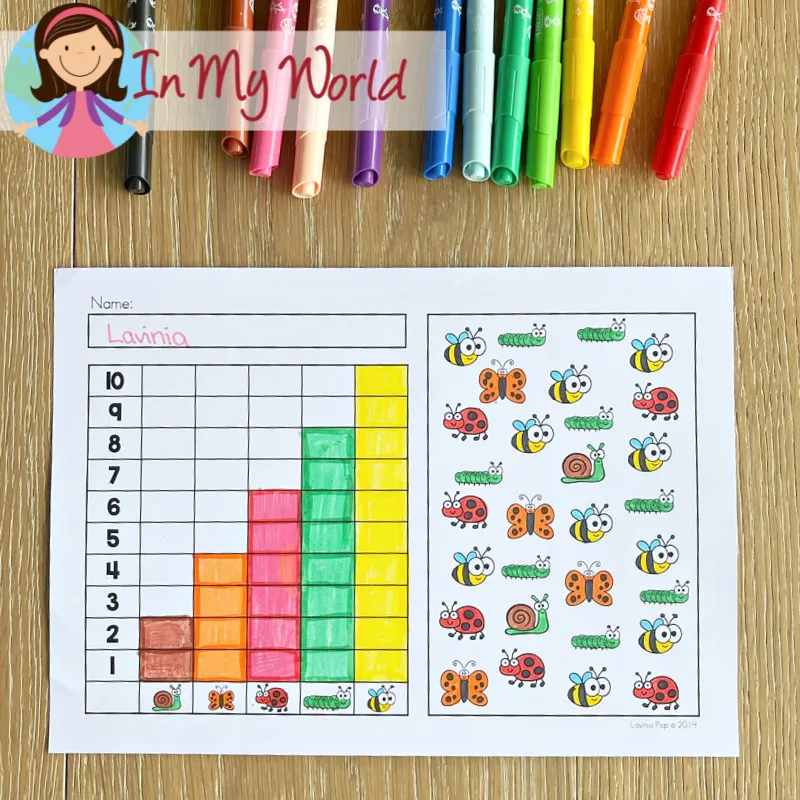
Students practice organizing and interpreting information.
- Count and Graph (4 pages)
Spring Patterns
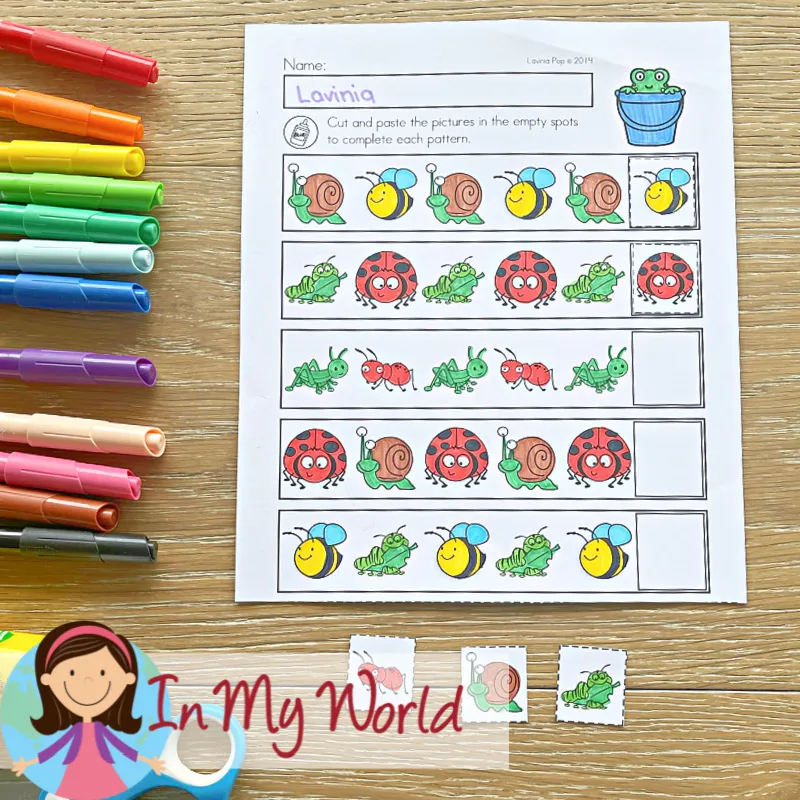
Children look at the pictures in each row and determine the repeating pattern. They then complete the pattern by selecting the correct picture.
This activity helps children practice identifying, extending, and completing patterns using spring themed images.
Sequencing
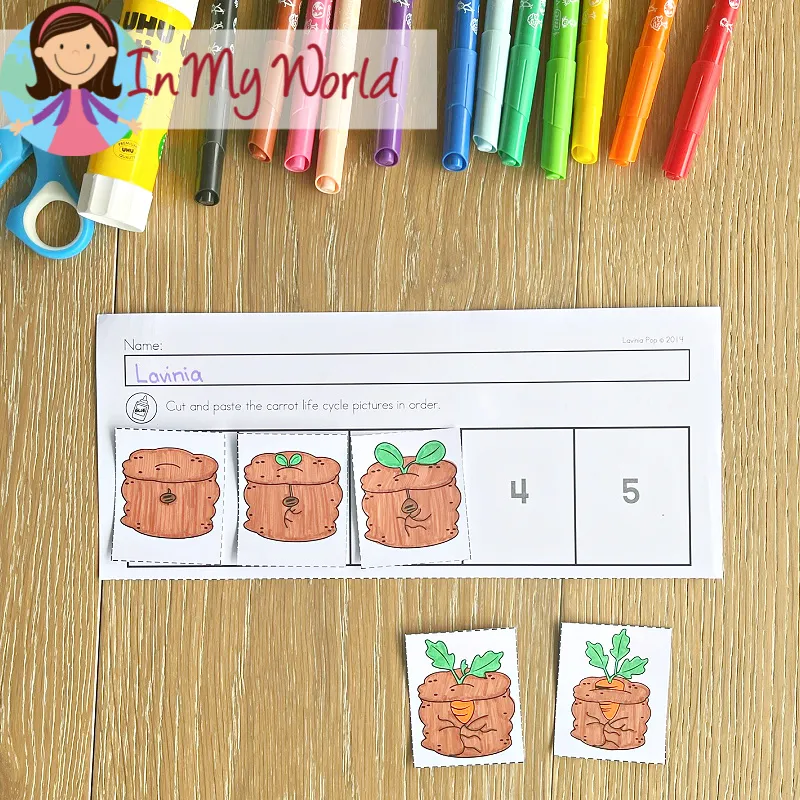
Students learn about life cycles and sequence order.
- Sequencing – Life Cycle of a Carrot
Flexible Ways to Use Spring Kindergarten Worksheets
One of the biggest advantages of Spring Kindergarten Worksheets and Activities No Prep is flexibility. Teachers can use these pages in many different ways throughout the school day.
Many classrooms use the worksheets for morning work to help students transition into the school day. The familiar format allows children to begin working independently.
Teachers also place the worksheets in literacy or math centers where students rotate through activities while practicing key skills.
Other common uses include:
- Independent practice during lessons
- Homework review
- Sub plans
- Early finisher activities
Because the worksheets are simple and clearly structured, students can work on them with minimal support.
Simple Materials Needed
Most of the worksheets require only basic classroom supplies that teachers already have available.
Common materials include:
- Pencils
- Crayons or colored pencils
- Scissors
- Glue sticks
Some teachers choose to place worksheets inside dry erase sleeves so students can complete them with dry erase markers during centers.
This approach allows worksheets to be reused multiple times throughout the spring season.
Troubleshooting Tips for Using Worksheets Successfully
- If students struggle with independent worksheets, a few small adjustments can make the activities easier.
- Start by modeling the activity together as a class. Completing the first question together helps students understand the task before working independently.
- For phonics worksheets, encourage students to say the word aloud before writing the sound. Hearing the word clearly helps them identify the correct beginning or ending sound.
- For math worksheets, students benefit from counting the pictures out loud or using their fingers to represent the numbers.
These strategies support students while helping them build confidence in their learning.
Age Group Adjustments
These Spring Kindergarten Worksheets and Activities are designed for Kindergarten learners but can also work well with other groups.
- Pre-K students may use the worksheets with additional teacher support, especially for phonics activities.
- First grade students can use the worksheets as review or intervention practice when they need extra support with phonics or number sense.
This flexibility makes the resource useful for mixed ability classrooms.
Quick Checklist for Teachers
When preparing to use spring worksheets in your classroom, keep these simple ideas in mind:
- Introduce new worksheet types together as a class
- Model the first question before students begin
- Encourage students to read words aloud when possible
- Provide pencils, crayons, scissors, and glue
- Store extra copies for early finishers
These small steps help ensure students understand expectations and can work independently.
Purchase the Spring Worksheets and Activities for Kindergarten packet
If you would like to purchase the complete 87-page Spring Worksheets and Activities for Kindergarten packet, click on one of the stores links below.


You may also like…
It’s an absolutely lovely Insects Pack! Thank you!
Thank you so much! These activities are so clever! you have great fun ideas for extending on subjects the children have already learnt!
How do I purchase these activities?
How do I purchase this packet?